


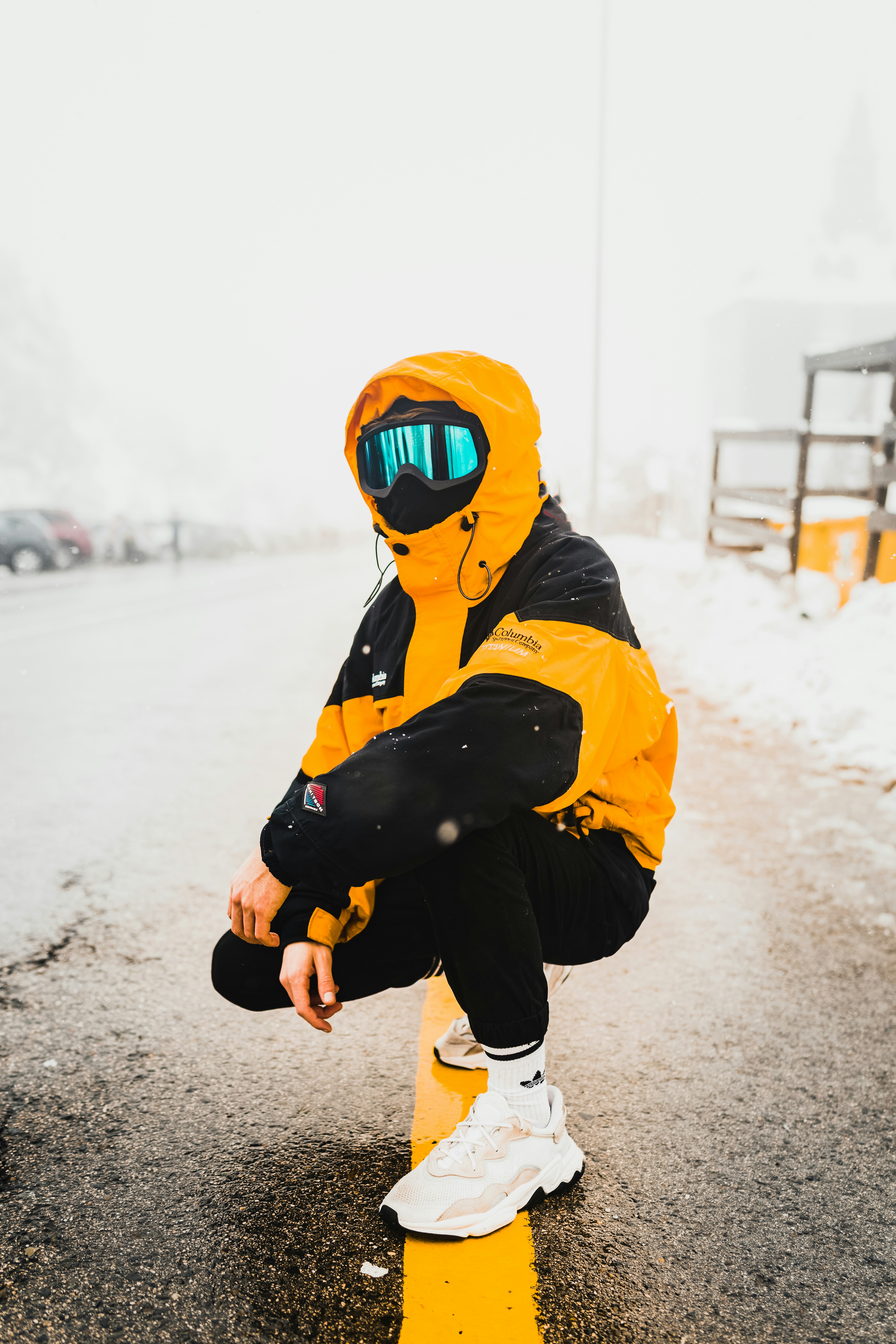
Understanding the Importance of Layering
When it comes to winter workout attire, the principle of layering plays a crucial role in maintaining comfort and performance during cold weather exercise. Proper layering helps to regulate body temperature by trapping heat while allowing moisture to escape, which is essential for avoiding overheating or chilling during physical activity. The main components of an effective layering system include the base layer, insulating layer, and outer layer, each serving a distinct function.
The base layer is the first line of defense against the cold, designed to fit snugly against the skin. Its primary function is to wick moisture away from the body, ensuring that sweat does not accumulate and cause discomfort. Fabrics such as merino wool or synthetic fibers are often used for base layers due to their moisture-wicking properties and ability to dry quickly. By keeping the skin dry, the base layer helps to maintain a more stable body temperature, which is vital during intense workouts.
The insulating layer, typically positioned above the base layer, serves to trap heat and provide additional warmth. This layer can be made of materials such as fleece, down or thermal fabrics, which are effective at retaining body heat. When selecting an insulating layer, it is important to consider the level of insulation required based on the temperature and the intensity of the workout. A properly chosen insulating layer enhances comfort and prevents muscle stiffness, allowing for better performance during exercises.
Finally, the outer layer protects against wind, rain, and snow, acting as a barrier to the elements. This layer should be both breathable and waterproof or water-resistant, to ensure that moisture from external sources does not compromise the layers beneath. With a well-fitted outer layer, one can comfortably focus on their workout without the distraction of harsh weather conditions. By understanding and effectively implementing the layering principle, individuals can ensure that they stay warm while staying fit throughout the winter months.
Essential Base Layers for Winter Workouts
When engaging in winter workouts, the importance of appropriate base layers cannot be overstated. Base layers serve a crucial role in moisture management, helping to regulate body temperature during physical activities. They act as the first line of clothing directly against the skin, efficiently wicking sweat away while ensuring that the wearer remains dry and comfortable, even in cold conditions. Selecting the right base layer can significantly impact your overall exercise performance.
There are several types of fabrics that excel in the production of base layers. Synthetic materials, such as polyester and nylon, are popular choices due to their moisture-wicking capabilities and quick-drying properties. These fabrics are engineered to pull perspiration away from the skin, allowing for faster evaporation, which keeps the body dry. Alternatively, merino wool is a natural fiber renowned for its superior thermal insulation and breathability. Its moisture-wicking properties are complemented by the ability to regulate temperature, from cool to warm, making it suitable for varying conditions.
For those seeking high-quality options, several popular base layers are widely recommended. Men’s base layer tops made from a blend of polyester and spandex offer excellent stretch and fit, while merino wool options provide warmth and softness. Women can opt for form-fitting synthetic long-sleeve shirts that feature flatlock seams to prevent chafing during movement. Additionally, leggings or thermal tights made from moisture-wicking materials ensure that both men and women stay comfortable during winter workouts.
Ultimately, the ideal base layer should fit snugly against the body without being restrictive. Prioritizing breathability and the right combination of fibers will optimize performance, making workout sessions enjoyable, even in winter’s chill.
Choosing the Right Insulating Layer
When it comes to maintaining warmth during outdoor workouts, the choice of insulating layer is paramount. Insulating layers function by trapping heat close to the body, creating an effective barrier against chilly outdoor conditions. This is particularly crucial during winter, where temperatures can significantly drop, impacting overall workout performance and comfort.
Common materials used for insulation include fleece and down. Fleece is a synthetic material renowned for its ability to provide warmth without adding significant bulk. Lightweight yet effective, fleece is an excellent option for dynamic activities like jogging or cycling, where freedom of movement is essential. Furthermore, modern fleece fabrics often feature moisture-wicking properties, which help manage sweat and keep the wearer comfortable during more intense exercises.
Down insulation, on the other hand, possesses exceptional warmth-to-weight ratios, making it an efficient choice for activities with reduced movement, such as hiking or skiing. While down is incredibly effective at trapping heat, it requires careful consideration when exposed to moisture. Therefore, it is advisable to seek out down jackets with water-resistant coatings or to combine them with a waterproof outer layer for those snowy excursions.
To avoid bulkiness with insulating layers, layering techniques are key. Begin with a snug-fitting base layer that regulates moisture, followed by your insulating piece. For colder temperatures, consider opting for a zippered fleece that allows for adjustable ventilation during your workout. If you prefer down, look for a packable option that can be easily stowed when no longer needed. For different fitness activities, tailoring your layering approach is essential; for activities requiring greater flexibility, thinner fleece or a lightweight down vest may be more suitable. For static activities, a thicker insulating layer might be advantageous. Each choice should reinforce warmth while maintaining the ability to move freely and comfortably.
Selecting the Perfect Outer Layer
When engaging in winter workouts, the choice of an appropriate outer layer is crucial for maintaining comfort and performance. Effective outer layers are designed to provide both wind and water resistance, which is essential for protecting against the harsh elements typically encountered during colder months. A jacket or pant with a waterproof or water-resistant outer material can significantly enhance one’s training experience by keeping moisture at bay, thus preventing chill and discomfort associated with damp garments.
Breathability is another important attribute to consider when selecting outer layers. While it is essential to shield against wind and rain, it is equally important to avoid overheating. Look for jackets and pants with breathable fabrics, which allow moisture and perspiration to escape, ensuring that the body remains dry and at a regulated temperature. Materials such as Gore-Tex or similar synthetic blends are favorable choices, as they strike a balance between protection and breathability.
When evaluating specific features of winter workout outer layers, it is advisable to pay attention to zippers, hoods, and reflective elements. Zippers can provide adjustable ventilation, allowing wearers to open or close them based on activity intensity or temperature changes. A hood serves not only to shield the head from rain and wind, but also adds an extra layer of warmth. Reflective elements are vital for safety, especially during low-light conditions common in winter months. Ensuring that your outer layers have these safety features can enhance visibility and subsequently reduce the risk of accidents.
In conclusion, the right outer layer is integral to staying warm and fit during winter workouts. By prioritizing materials that offer wind and water resistance alongside breathability, and incorporating features that enhance functionality, individuals can optimize their winter workout experience effectively.
The Role of Accessories in Winter Workouts
When engaging in winter workouts, the right accessories play a crucial role in ensuring both comfort and warmth. Accessories such as hats, gloves, neck gaiters, and appropriate footwear are not merely add-ons; they are essential components of an effective winter workout outfit. Each accessory has its unique function, contributing significantly to maintaining a comfortable body temperature while maximizing performance in cold conditions.
Starting with headwear, a well-fitting hat or beanie can prevent heat loss, which is particularly important in colder climates. Opting for materials such as moisture-wicking fabrics will help in regulating temperature, keeping the head warm without causing overheating. For those who prefer a more comprehensive option, ear warmers can offer targeted warmth, protecting sensitive areas of the head from chilling winds.
Gloves are equally vital, as they protect the hands, which can quickly become cold during outdoor activities. It’s advisable to select gloves made from insulating materials that also allow for reasonable dexterity. Mittens provide additional warmth by allowing the fingers to share body heat, while touchscreen-compatible gloves enable users to handle devices without exposing their hands to cold.
Neck gaiters are another valuable accessory that offers versatility and protection. They can be used as a face mask or pulled up to cover the ears, adding to overall warmth during outdoor workouts. Fabrics such as fleece or merino wool provide effective insulation while remaining breathable. Additionally, invincible neck gaiters are windproof and water-resistant, ideal for adverse weather conditions.
Lastly, proper footwear cannot be overlooked. Opt for winter-specific shoes that provide enhanced traction and insulation. Features such as waterproofing and thermal linings can significantly improve comfort, reducing the risk of cold feet while enhancing stability on slippery surfaces. By carefully selecting the right accessories, individuals can significantly enhance their winter workout experience, allowing them to stay active despite the cold weather.
Footwear That Keeps You Moving in Cold Weather
When engaging in outdoor winter workouts, it is essential to select footwear designed to meet the unique challenges posed by cold conditions. Key features to look for in winter workout footwear include insulation, water resistance, grip, and thermal lining. Each of these aspects plays a crucial role in ensuring that your feet remain comfortable, dry, and well-supported during physical activities.
Insulation is a critical feature that keeps your feet warm in low temperatures. Look for shoes that utilize materials such as Thinsulate or other synthetic insulation technologies. Water resistance is equally important; therefore, selecting shoes made with waterproof membranes like Gore-Tex can help prevent moisture from penetrating the shoe while still allowing for breathability. This feature is particularly beneficial during slushy or wet weather conditions, where waterlogged shoes can lead to discomfort and even frostbite.
Grip is another vital consideration, especially on icy or slippery surfaces. Footwear with a rubber outsole and advanced traction patterns will enhance your stability and reduce the risk of falls, allowing you to focus on your workout rather than on navigating tricky terrain. Look for shoes that feature multidirectional lugs for optimal grip.
Thermal lining is also worth considering, as it provides an additional layer of warmth and comfort. Models with fleece or flannel lining are particularly effective in maintaining a cozy environment for your feet during colder outings. When it comes to recommended brands, Salomon, Merrell, and The North Face offer high-quality options tailored for winter activities such as running, hiking, and cross-training. Specific models, like the Salomon Speedcross or Merrell Moab, are well-regarded among outdoor enthusiasts for their durability and performance in winter conditions. By choosing the right footwear, you can enjoy your winter workouts without sacrificing comfort or safety.
Layering Tips for Different Workout Types
When engaging in outdoor winter workouts, effective layering is crucial to maintain comfort and performance. Different types of workouts necessitate distinct layering strategies to ensure that individuals remain warm yet agile. For instance, runners typically benefit from a moisture-wicking base layer that keeps sweat away from the skin. This base should be followed by an insulating mid-layer, such as a fleece, which retains body heat without adding bulk. Finally, a windproof or waterproof outer layer can protect against the elements, adapting to various weather conditions.
On the other hand, skiers require a more robust layering approach. A moisture-wicking thermal top and bottom serve as a foundation, while a thicker insulating layer, like a down jacket, may be appropriate for exceptionally cold days. The outer layer should include breathable, waterproof materials to safeguard against snow and moisture while maintaining freedom of movement. It is beneficial for skiers to consider ventilation options, such as zippered vents, which can be adjusted as activity levels rise.
For those who prefer yoga, the focus shifts towards flexibility and breathability. A light, moisture-wicking long-sleeve shirt paired with breathable leggings can be an effective base. As the practice intensifies, adding a lightweight, zip-up jacket allows for temperature regulation without sacrificing comfort. Practitioners should also carry an extra layer such as a hoodie for post-workout warmth, particularly when transitioning outdoors.
It is also essential to adapt layering as the workout progresses. As individuals warm up, they may need to remove a layer to prevent overheating. Conversely, as the workout cools down or if the weather changes unexpectedly, adjusting the layers promptly ensures continuous comfort. Carefully selecting pieces based on anticipated conditions will enhance overall workout enjoyment while effectively maintaining body temperature.
Trendy Winter Workout Gear for Style and Comfort
As winter sweeps in, it is essential to adapt our workout wardrobe to the changing weather while maintaining a sense of style. The latest trends in winter workout gear emphasize a perfect blend of functionality and fashion, allowing individuals to remain active without sacrificing aesthetic appeal. Key categories in this realm include outerwear, thermal layers, and accessories, all designed to keep you warm as you exercise outdoors.
Outerwear has seen a significant evolution in recent years, with many brands introducing stylish jackets and coats made from lightweight materials that offer insulation against the cold. Popular colors like deep burgundy, navy blue, and forest green not only resonate with the winter palette but also inspire motivation to stick to fitness goals. Patterns such as subtle geometric prints or classic plaid designs are making a statement, providing a fresh alternative to solid hues. Brands renowned for their trendy winter workout gear, such as Lululemon and Nike, are increasingly pushing the boundaries of style while ensuring that their products remain functional for strenuous activities.
In addition to outerwear, the layering concept plays a crucial role in winter workouts. Compression tops and thermal leggings are now available in a variety of fashionable designs that not only keep you warm but also enhance performance. For instance, many manufacturers utilize moisture-wicking fabrics, which ensure that sweat is managed effectively, allowing for a comfortable workout experience. The introduction of vibrant color combinations and artistic prints adds visual appeal while enabling individuals to express their personal style.
Accessories are also an integral part of the winter workout attire, with trendy beanies, gloves, and scarves that complement any outfit. Bright colors and unique patterns in these accessories are not only practical but also elevate the overall look. Investing in such fashionable and functional winter workout gear can significantly motivate one to embrace the chill while remaining committed to fitness.
Caring for Your Winter Workout Clothes
Maintaining the quality and functionality of your winter workout apparel is essential for ensuring optimal performance throughout the colder months. The care you provide to your clothing directly influences their lifespan, helping you stay fit while keeping warm. When washing your winter workout clothes, it is important to read the care labels carefully, as different fabrics can have varying requirements. For instance, synthetic materials like polyester and nylon typically benefit from cold water washes, whereas wool may need a gentler hand with special detergents designed for wool garments.
Another critical aspect of laundry is avoiding fabric softeners, which can decrease the moisture-wicking capabilities of your workout gear. Instead, use a mild detergent that is free from additives. When it comes time to dry your clothes, air-drying is usually the safest method, preserving both the fit and elasticity of the garments. If you choose to use a dryer, opt for a low heat setting, as high temperatures can damage performance fabrics.
Storage is just as vital as washing and drying. Ensure your winter workout clothes are stored in a cool, dry place, away from direct sunlight. Avoid cramming them into tight spaces, as this can lead to creasing and damage. Repairing minor tears or loose seams promptly can also prolong the life of your items; simple sewing skills can go a long way in maintaining your apparel.
Lastly, make a habit of inspecting your winter workout clothes regularly for signs of wear and tear. Keeping an eye on functionality and aesthetics will help you determine if it is time to repair or replace specific pieces. By taking these steps, your winter workout apparel will not only remain in top condition but also continue to provide comfort and support during your fitness endeavors.