


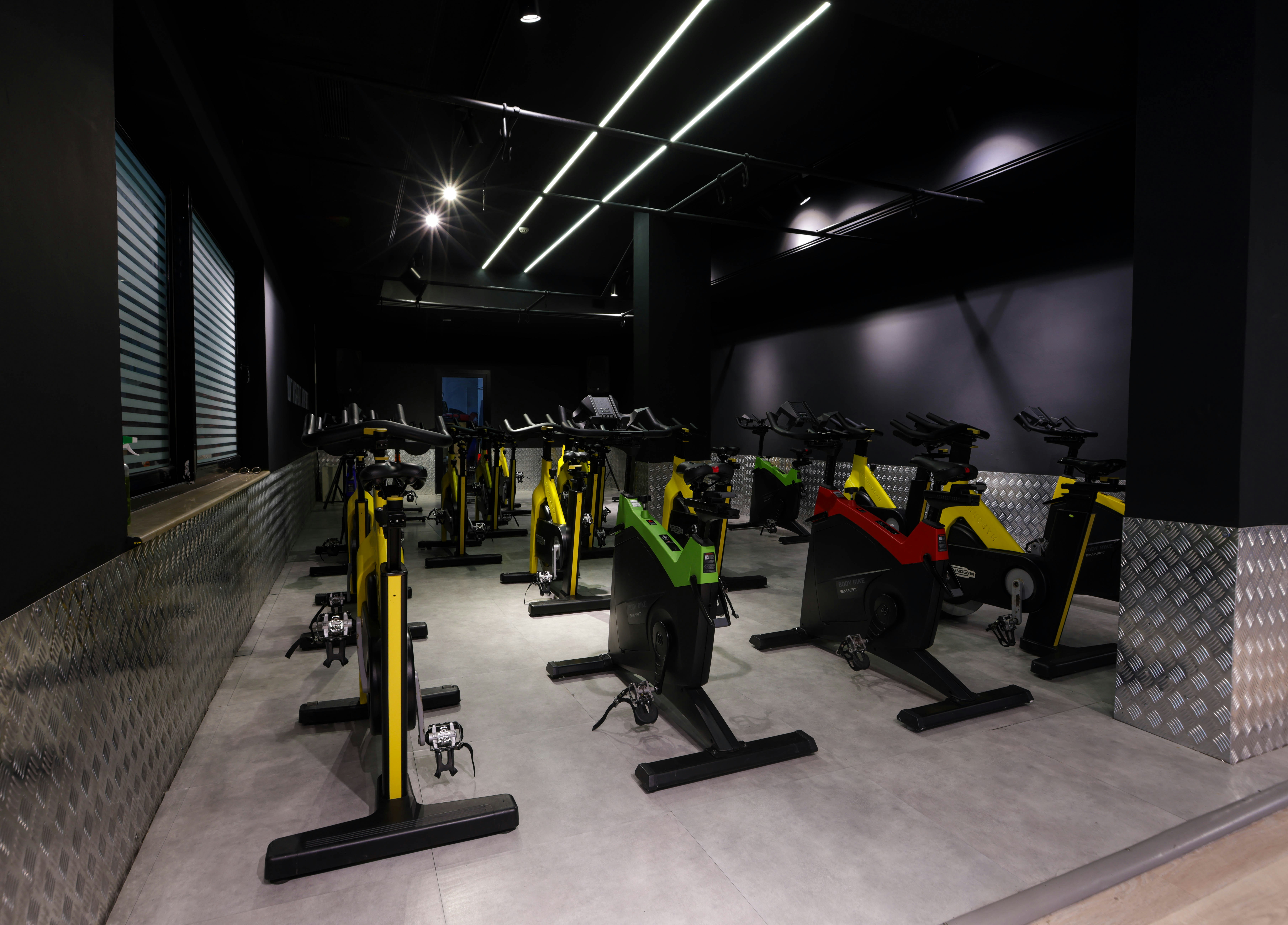
Introduction to Indoor and Outdoor Cycling
Cycling has emerged as a popular exercise choice for individuals seeking to enhance their physical fitness and overall well-being. Both indoor and outdoor cycling provide unique advantages, catering to diverse preferences and lifestyles. Indoor cycling, often facilitated by stationary bikes in gyms or home setups, offers a controlled environment where individuals can focus on their workout without external interferences such as weather conditions or traffic. On the other hand, outdoor cycling allows enthusiasts to explore various terrains, enjoy fresh air, and experience nature, which can significantly impact motivation and general enjoyment.
The growing popularity of each cycling method can be attributed to the rising awareness of physical health and fitness. Indoor cycling classes, often characterized by upbeat music and inspirational instructors, have gained traction in fitness studios, promoting a community atmosphere. This accessibility makes indoor cycling a convenient option for those with tight schedules or those living in urban settings where outdoor cycling might be less feasible. Furthermore, advancements in technology, such as virtual cycling classes and interactive apps, have enriched the indoor cycling experience, making it both engaging and effective.
Conversely, outdoor cycling presents an opportunity for individuals to connect with their surroundings while engaging in a physically demanding activity. It can serve as a means of transportation in addition to being a recreational pastime. Natural landscapes and scenic routes can enhance the psychological benefits of exercise, assuaging stress and fostering a sense of adventure. Moreover, outdoor cyclists often enjoy the thrill of varying weather conditions and different terrains, presenting a dynamic experience compared to the consistency of indoor cycling.
As we delve further into this guide, we will examine the specific benefits, disadvantages, and suitability of both indoor and outdoor cycling, facilitating informed decisions for cycling enthusiasts of all levels.
Health Benefits of Cycling
Cycling, whether practiced indoors or outdoors, is recognized as a highly effective form of physical activity that offers a multitude of health benefits. One of its primary advantages is the improvement of cardiovascular health. Engaging in cycling regularly can enhance heart function, reduce blood pressure, and increase overall stamina. According to a study published by the American Heart Association, just 150 minutes of moderate-intensity cycling each week can significantly lower the risk of cardiovascular diseases.
In addition to cardiovascular improvements, cycling serves as an excellent way to tone muscles. The activity engages various muscle groups, including those in the legs, core, and even upper body, depending on the cycling style. Research from the Journal of Sports Medicine shows that participants who engaged in cycling for 30 minutes at moderate intensity exhibited noticeable muscle toning in their lower limbs, making it a versatile option for strength building.
Weight management is another significant benefit associated with cycling. Regular participation can help individuals burn calories effectively, contributing to weight loss or maintenance. The Calories Burned Calculator estimates that a 155-pound individual can burn approximately 298 calories during a 30-minute cycling session at a moderate pace. This aspect makes cycling an appealing choice for those looking to manage their weight while improving overall fitness.
Lastly, cycling is shown to have beneficial effects on mental health. Both indoor and outdoor cyclists often report reductions in stress levels and a boost in mood. A study conducted by the University of Toronto found that individuals who cycled regularly experienced a marked decrease in anxiety and depression symptoms. This reflects cycling’s potential as a dual-benefit exercise that promotes physical fitness and mental well-being, making it a holistic approach to health improvement.
Essential Equipment Needed for Indoor Cycling
Indoor cycling has gained popularity due to its convenience and flexibility. To fully benefit from this workout style, certain equipment is essential, ensuring a rewarding and comfortable experience. The primary piece of equipment required is a stationary bike. There are various types available, including upright bikes, recumbent bikes, and spin bikes, each catering to different preferences and cycling styles. When selecting a bike, consider factors such as size, adjustability, resistance levels, and if it includes a built-in display that tracks metrics like distance, speed, and calories burned.
Another crucial aspect of indoor cycling is incorporating fitness apps or virtual training platforms. These tools enhance the workout experience by offering guided classes, personalized training plans, and the ability to track progress over time. Popular apps include Zwift, Peloton, and TrainerRoad, each bringing unique features to motivate users and achieve fitness goals. It is advisable to choose an app that aligns with your cycling preferences – whether you enjoy structured classes, social rides, or interval training.
Moreover, specific gear plays a significant role in ensuring comfort during indoor cycling sessions. This includes padded shorts, moisture-wicking tops, and breathable socks that help to mitigate discomfort and enhance performance. Investing in cycling shoes with proper cleats can also improve pedaling efficiency and stability on the bike. Additionally, a towel and water bottle holder help manage hydration and maintain cleanliness during workouts.
Ultimately, selecting the right equipment for indoor cycling will depend on personal preferences and fitness goals. By focusing on essentials such as a quality stationary bike, engaging fitness apps, and appropriate workout gear, individuals can create an enjoyable and effective indoor cycling setup that caters to their specific needs.
Equipment Needed for Outdoor Cycling
Outdoor cycling offers a unique experience that differs significantly from indoor training, necessitating specific gear to ensure both safety and performance. The most critical piece of equipment is the bicycle itself. Selecting the right type of bike is essential, whether it be a road bike, mountain bike, or hybrid. Each bike type is designed for different terrains and styles of riding, which is an important consideration based on your intended cycling environment.
Safety equipment is paramount in outdoor cycling. A good quality helmet is essential, as it serves as the first line of defense against head injuries in the event of a fall or collision. Additionally, visibility gear, such as lights and reflectors, allows for safer cycling, especially during low-light conditions. Investing in proper lighting not only enhances your visibility to others but also helps you see potential hazards in your path. For those who cycle in varied weather conditions, consideration should be given to waterproof gear and accessories that provide warmth and protection from the elements.
Clothing plays a crucial role in enhancing comfort during outdoor rides. Opt for attire made from moisture-wicking materials that help regulate body temperature and manage sweat. Padded cycling shorts, breathable jerseys, and appropriate footwear can dramatically improve your riding experience. Furthermore, cycling gloves can add comfort and grip, while additional layers can be adjusted based on changing weather conditions.
Finally, maintenance tools are indispensable for every outdoor cyclist. Carrying a basic repair kit including tire levers, a multi-tool, and a spare tube can ensure that you are prepared for common roadside repairs. Regular maintenance of your bike will also prolong its life, enhancing your overall cycling experience. By investing in appropriate outdoor cycling gear and equipment, you can ensure a safe and enjoyable ride, tailored to your specific cycling environment and conditions.
Training Programs: Indoor vs. Outdoor
When it comes to structuring training programs for cycling, significant differences exist between indoor and outdoor settings. Both formats offer unique advantages and challenges that can influence workout structure, duration, and intensity levels. Understanding these variations is crucial for cyclists aiming to enhance their performance, whether they prefer the stability of indoor cycling or the dynamic nature of outdoor rides.
Indoor cycling typically allows for a more controlled environment, which can be beneficial for adhering to specific training goals. Workouts are often structured around predefined intervals and cadence, making it easier to monitor progress. A common approach involves high-intensity interval training (HIIT) sessions lasting anywhere from 20 to 45 minutes. Alternating between high-intensity efforts and recovery phases can push endurance and anaerobic capacity while minimizing distractions. In contrast, outdoor cycling often requires longer sessions, often ranging from 30 minutes to several hours depending on terrain and conditions. Riders can integrate interval training by finding suitable stretches of road or trail where they can focus on speed bursts, followed by periods of recovery.
The intensity of workouts also varies between these two settings. Indoor training usually permits a consistent power and resistance level, allowing cyclists to maintain their effort throughout. Outdoor rides, influenced by factors like wind resistance, elevation, and traffic, may require fluctuating intensity. Hence, outdoor cycling can serve as a more unpredictable yet rewarding experience, nurturing adaptability in athletes.
Incorporating endurance training into both formats is essential for overall fitness. Indoor cyclists can utilize sustained efforts at moderate intensity, while outdoor enthusiasts might include longer rides to build stamina. By blending these approaches with interval training, cyclists can maximize their potential, adapting their training programs to suit their preferences and goals.
Social Aspects of Cycling
Cycling, whether conducted indoors or outdoors, encompasses significant social dimensions that can enhance the overall experience for participants. Indoor cycling classes are renowned for their community-oriented atmosphere. These classes often take place in group settings, where participants pedal together under the guidance of an instructor. This environment fosters a sense of camaraderie, allowing individuals to share their fitness journeys. The shared energy of a group can be a powerful motivator; the collective experience cultivates an encouraging atmosphere that inspires cyclists to push their limits.
Moreover, the rhythmic music and synchronized movements in indoor cycling classes can create a motivating experience, making the activity feel less like a workout and more like a social event. Participants often interact with one another, forming friendships that can extend beyond the cycling studio. Consequently, the communal aspect of indoor cycling not only enhances motivation but also promotes long-term adherence to fitness goals. The social connections forged during these sessions can lead to a more enjoyable and fulfilling cycling experience.
On the other hand, outdoor cycling presents numerous opportunities for social interaction through group rides and community events. These rides often include cyclists of varying skill levels, which fosters inclusivity. Participation in organized cycling events such as charity rides or races brings people together for a common cause, enhancing the group’s bond. The variety of landscapes and routes in outdoor cycling also contributes to the enjoyment of the activity, making it easier for participants to connect over shared interests in exploring new trails and paths.
Overall, the social components of both indoor and outdoor cycling significantly impact motivation and enjoyment. Whether through the energetic environment of a cycling class or the camaraderie found in outdoor group rides, cycling serves as an effective medium for building connections and enhancing personal fitness journeys.
Environmental Considerations: Indoor vs. Outdoor Cycling
The environmental impact of cycling, whether practiced indoors or outdoors, presents unique considerations for cyclists committed to sustainability. Indoor cycling often employs specialized equipment such as stationary bikes or indoor cycling trainers. This equipment requires energy to operate, particularly if one utilizes smart trainers that integrate with various applications for enhanced training experiences. The energy consumption associated with indoor cycling can contribute to a carbon footprint, particularly in regions where electricity is produced from non-renewable resources. As the fitness industry continues to develop, some advancements aim to mitigate energy use, such as environmentally-friendly designs and energy-efficient technologies.
In contrast, outdoor cycling typically promotes a more eco-friendly profile, primarily due to the lack of mechanical electricity reliance. However, outdoor biking does create its own environmental challenges, notably the carbon footprint from transportation to biking locations. Moreover, cyclists must navigate through areas potentially affected by pollution, which can detract from the pure experience. Urban areas, often plagued by vehicle emissions, pose significant challenges, both in terms of air quality and cyclist safety. In addition, weather factors such as rain or extreme heat can deter outdoor cycling, compelling individuals to seek refuge indoors, thus increasing energy utilization in indoor cycling setups.
When considering overall environmental effects, the choice between indoor and outdoor cycling largely hinges on personal values and situational factors. While some cyclists may favor the straightforward carbon footprint of outdoor biking, others may enjoy the convenience and efficiency of indoor facilities, merging fitness with control over environmental factors. Ultimately, each cyclist plays a role in addressing these considerations, whether by minimizing transport emissions or investing in cleaner energy options for their indoor cycling routines.
Safety Tips for Outdoor Cycling
Outdoor cycling can be an exhilarating experience, but it is essential to prioritize safety to ensure a smooth ride. One of the primary considerations for any cyclist is adherence to traffic laws. Just like motorists, cyclists must follow the same rules when navigating roads. This includes obeying traffic signals, using hand signals for turns, and riding in the direction of traffic. Familiarizing oneself with local regulations can significantly enhance safety for cyclists and help prevent accidents.
Visibility is another crucial aspect of outdoor cycling. Wearing bright, reflective clothing can increase one’s visibility, especially during low-light conditions such as dawn, dusk, or inclement weather. Additionally, equipping your bicycle with lights and reflectors will make it more noticeable to motorists. Being conspicuous can play a vital role in preventing collisions, as many accidents occur when drivers do not see cyclists until it is too late.
In the event of an emergency, preparedness is key. Cyclists should carry essential tools like a multi-tool, a spare tube, and a pump to address minor mechanical issues that may arise during a ride. It is also prudent to have a basic first-aid kit on hand to manage potential injuries. Moreover, cyclists should inform someone of their intended route and estimated return time; this can be particularly vital for those who plan to cycle in remote areas. Lastly, having a charged mobile phone can be a lifesaver should assistance be needed in case of an unforeseen situation.
By adhering to these safety tips and maintaining a focus on responsible cycling, outdoor enthusiasts can enjoy the many benefits of cycling while minimizing risks. With proper precautions, outdoor cycling can be a safe and enjoyable activity for everyone involved.
Choosing the Right Cycling Style for You
When it comes to selecting between indoor and outdoor cycling, it is essential to consider your personal preferences, fitness levels, and specific goals. Both cycling styles offer unique benefits and can be tailored to suit a variety of lifestyles and objectives. Here are several factors to reflect on that may help guide your decision-making process.
First, assess your fitness level. If you are a beginner, indoor cycling may provide a more controlled environment, minimizing distractions and the risks associated with outdoor terrain. Indoor cycling classes, often featuring structured workouts and professional guidance, can offer an excellent introduction to building endurance, strength, and cardiovascular fitness. Conversely, outdoor cycling may suit those who have already developed a strong base and wish to challenge themselves with different terrains, weather conditions, and distances.
Your personal preferences also play a crucial role. For instance, consider whether you enjoy the camaraderie of group rides or prefer solitary workouts. Outdoor cycling often allows for scenic views and fresh air, making it a stimulating experience. However, if you value convenience and flexibility, indoor cycling may be more appealing, as it can be easily integrated into your daily routine, regardless of weather conditions.
Additionally, reflect on your fitness goals. Are you aiming to lose weight, build muscle, enhance endurance, or simply enjoy cycling as a recreational activity? Indoor cycling can be particularly beneficial for high-intensity interval training, while outdoor cycling can help diversify your training by incorporating long rides and climbs. Understanding your ultimate objectives will significantly inform your choice of cycling style.
Ultimately, many cyclists find value in a hybrid approach, utilizing both indoor and outdoor cycling to maximize their training regimen and align with their preferences and goals. Consider experimenting with both styles before making a definitive choice, ensuring that your cycling experience remains enjoyable and fulfilling.