


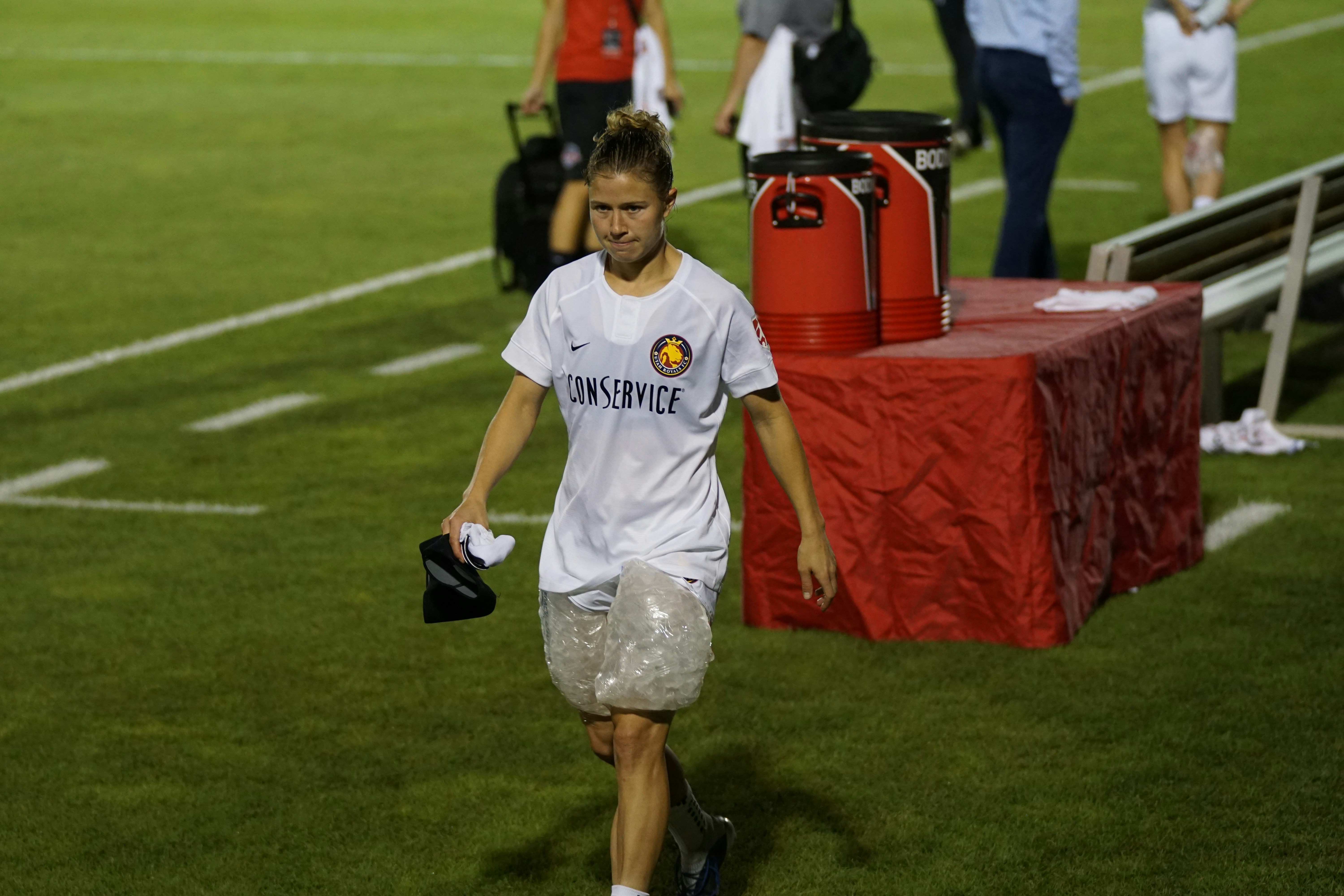
The Importance of Rest in Athletic Performance
Rest plays a pivotal role in the realm of athletic performance, serving as a necessary counterbalance to rigorous training schedules. Athletes, regardless of their sport, subject their bodies to intense physical exertion, which can lead to fatigue and microtrauma in muscles. During periods of rest, the body engages in vital recovery processes that are essential for optimal performance. This restoration period is not merely a break but a critical phase where physiological repairs occur.
One of the primary benefits of rest is its impact on muscle recovery and growth. When athletes engage in intense workouts, muscle fibers sustain minor injuries, which the body repairs during rest. This repair process not only helps restore the muscles to their pre-exercise state but also facilitates muscle hypertrophy—the increase in muscle size and strength. By allowing adequate time for recovery, athletes maximize the gains from their training sessions, ensuring their physical capabilities continually improve over time.
Beyond muscle recovery, rest also plays a significant part in maintaining optimal hormonal balance, particularly with hormones such as cortisol and testosterone, which are crucial for muscle development and fat loss. Insufficient rest can lead to elevated cortisol levels, which may hinder performance and increase the risk of injury. Furthermore, restful intervals promote improved mental acuity and focus, enhancing an athlete’s psychological readiness to train or compete.
Ultimately, the symbiotic relationship between training and rest is critical for sustained athletic excellence. Athletes are encouraged to structure their training regimens to incorporate sufficient rest days, creating a balanced approach that fosters performance enhancement rather than detriment. Prioritizing rest is not a withdrawal from training efforts; instead, it is an investment in long-term athletic success.
Understanding the Different Types of Rest Days
In the realm of sports and physical training, rest days play an essential role in ensuring optimal performance and overall well-being. Understanding the differences among complete rest days, active rest days, and recovery days is crucial for athletes to structure their training regimens effectively.
Complete rest days involve taking a break from all forms of physical activity. This type of rest is vital for allowing the body to fully recuperate and repair any micro-tears in muscles that occur during intense exercise. Complete rest is particularly important after demanding workouts, as it provides the opportunity for muscle regeneration, reduces fatigue, and helps prevent overtraining injuries. An example of a complete rest day might involve an athlete refraining from all athletic activities and focusing solely on relaxation and hydration.
Active rest days, on the other hand, encourage low-intensity activities that promote blood circulation without placing excessive strain on the body. Engaging in light exercises, such as walking, yoga, or leisurely cycling, can help mitigate muscle stiffness while allowing the body to recover. This type of rest can be beneficial for maintaining a routine without fully engaging in high-impact training. Active rest days allow athletes to remain physically active while still providing the necessary time for recovery.
Recovery days are designed to bridge the gap between complete rest and strenuous training. On recovery days, athletes can participate in moderate-intensity workouts that are specifically tailored to enhance recovery from previous sessions. This might include foam rolling, stretching, or low-impact workouts focused on stability and mobility. Recovery days prioritize restoring energy levels and ensuring that athletes return to their training sessions in optimal condition.
Recognizing the distinct benefits of each type of rest day is essential for athletes looking to enhance their physical conditioning and support their mental well-being. Balancing complete, active, and recovery days is key to achieving optimal performance and sustaining long-term fitness goals.
Factors Influencing Rest Day Requirements
Determining the appropriate number of rest days an athlete requires is complex, as several interrelated factors significantly influence this necessity. Age is among the most important considerations; younger athletes may recover more quickly due to their higher levels of growth hormone and metabolism, whereas older individuals often find they need more time to recuperate after intense training sessions or competitions.
Another crucial factor is the intensity of training. Athletes engaging in high-intensity sports, such as sprinting or weightlifting, typically need more rest days to allow for physical recovery and muscle rebuilding. Conversely, those participating in lower-intensity sports like yoga or recreational cycling might require fewer rest days as their bodies are under less strain. Moreover, the type of sport plays a significant role; for example, endurance athletes might incorporate active recovery days rather than full rest days, while strength-training athletes may require complete recovery after rigorous lifting.
Physical fitness levels also cannot be overlooked. Well-conditioned athletes with a solid fitness base may adapt to rigorous training loads and recover more quickly than those who are newer to athletics. Additionally, pre-existing injuries or chronic conditions necessitate a more personalized approach to recovery. Athletes recovering from injuries may need more frequent and extended rest days to facilitate healing and prevent exacerbation of their injuries.
Considering these factors, it becomes evident that the number of rest days required varies significantly among individuals. Customizing rest day recommendations based on age, training intensity, the nature of the sport, current fitness levels, and health conditions will ultimately enhance athletic performance and well-being.
Signs You Need to Take a Rest Day
Recognizing when to take a rest day is crucial for maintaining overall health and optimizing athletic performance. Several signs and symptoms indicate the necessity of a recovery period. Physical fatigue is often one of the most straightforward indicators; if you feel persistently tired and lack energy, your body may be signaling the need for rest. This tiredness can manifest as a general sense of lethargy or a lack of enthusiasm for workouts that you previously enjoyed.
Mental burnout is another significant indicator that you may need a break. If you find it challenging to concentrate, feel mentally drained, or have an increased sense of irritability, these may be signs that your mind requires a pause. Mental fatigue can impact not only your training quality but also your motivation to exercise, making it essential to prioritize recovery to maintain performance levels.
In addition to overall fatigue, decreased performance during your workouts is a critical sign that a rest day is warranted. If you notice that your strength, endurance, or agility has declined, or if previous exercises that once felt manageable are now taxing, it may indicate that your body isn’t recovering adequately. This decline in performance can stem from cumulative fatigue and insufficient recovery time, hence listening to your body becomes paramount.
Finally, unusual soreness is an essential factor to consider. While some degree of soreness is normal after intense workouts, if you experience persistent soreness or pain that lingers beyond typical recovery times, it may indicate that your body is not fully ready for continued exertion. Symptoms like joint pain, muscle stiffness, or an increased propensity for injuries typically highlight the need for rest. Recognizing these signs can lead to more efficient training and improved overall health.
The Role of Sleep in Recovery
Sleep is an indispensable component of the recovery process for athletes and active individuals. It plays a vital role in ensuring that the body can repair itself after strenuous physical activity. Quality sleep contributes significantly to muscle recovery, promoting the repair of micro-tears that occur during exercise. During the deeper stages of sleep, the body increases its production of human growth hormone, which is essential for muscle growth and repair. This biological mechanism underlines why athletes should prioritize not only the duration of sleep but also the quality of their rest.
In addition to its role in muscle repair, sleep is crucial for hormone regulation. Proper rest helps maintain the balance of various hormones, including cortisol and insulin, which are critical for managing stress and energy levels. Disruptions in sleep patterns can lead to elevated cortisol levels, which may hinder recovery and increase the risk of injury. Therefore, maintaining a consistent sleep schedule can have profound implications for an athlete’s performance and overall fitness journey.
Cognitive function is another area significantly influenced by sleep. Adequate rest enhances mental sharpness, decision-making abilities, and reaction times, all of which are essential qualities for athletic performance. When athletes compromise their sleep, they may experience decreased focus and concentration during training and competitions, potentially impacting their success. Furthermore, lack of sleep can lead to increased feelings of fatigue, making the recovery process longer and more challenging.
In conclusion, sleep should be regarded as a fundamental pillar of recovery. Adequate and quality sleep significantly aids in muscle repair, hormonal balance, and cognitive function, underscoring that recovery extends beyond mere rest days from training. Athletes and fitness enthusiasts must recognize and prioritize sleep as a key element in their recovery strategy to optimize their performance and health.
Building a Balanced Training Schedule
Creating a well-structured training schedule is essential for athletes aiming to achieve peak performance while minimizing the risk of injury. One of the critical components of such a schedule is the strategic incorporation of rest days, which are vital for physical recovery and mental replenishment. Athletes must prioritize listening to their bodies, as individual recovery needs can vary significantly based on factors such as training intensity, duration, and personal fitness levels.
To effectively integrate rest days, athletes should first assess their training intensity and frequency. For example, high-intensity interval training (HIIT) sessions or heavy weightlifting may necessitate more frequent rest periods compared to moderate training sessions such as long-distance running or cycling. It is essential to balance hard training days with lighter activities that promote recovery without adding stress to the body, such as yoga, swimming, or gentle stretching. This helps ensure that muscles are allowed adequate time to repair, thereby improving overall performance.
Another effective strategy is to adopt a periodized training approach, where the training schedule is divided into different phases focusing on specific goals. This method allows for a natural progression of intensity and a planned reduction in workload to facilitate rest. For instance, an athlete might follow a three-week build-up phase with increased intensity, followed by a deload week that emphasizes lower volume and intensity, allowing for physical recovery. Furthermore, athletes are advised to include at least one full rest day per week in their schedule, with additional rest days incorporated as needed based on their energy levels and recovery status.
In conclusion, a balanced training schedule that includes appropriate rest days is vital for long-term athletic success. Listening to one’s body and adjusting training modalities accordingly ensures optimal performance and enhances recovery, paving the way for continued athletic development.
Common Misconceptions About Rest Days
Rest days are often enveloped in misconceptions that can hinder an athlete’s understanding of their importance. One prevalent myth is that taking time off from training leads to a rapid decline in strength and fitness. While it is true that consistent training is essential for progress, research indicates that adequate rest is equally critical for recovery and long-term performance. The body requires time to repair muscle tissue, replenish energy stores, and adapt to the stress that physical activity imposes. Neglecting rest can result in overtraining, which diminishes performance and increases the risk of injury.
Another common belief is that professional athletes do not take rest days, as they are constantly striving for improvement. In reality, elite athletes incorporate regular rest as a fundamental component of their training regimens. They understand that periods of rest are not synonymous with inactivity; rather, they are strategic intervals that allow the body to recuperate and build strength. Furthermore, many athletes use these days for mental relaxation, which can also enhance motivation and focus when returning to training.
Some individuals equate rest days with laziness, thinking that they should always be engaged in some form of activity. This perspective can undermine an athlete’s potential by fostering guilt associated with taking a break. However, it is essential to recognize that rest does not equate to lack of effort; instead, it is a vital strategy for enhancing recovery and sustaining peak performance levels. Understanding that rest days are beneficial—and not detrimental—can provide athletes with the insight needed to optimize their training, reduce fatigue, and, ultimately, excel in their respective sports.
Practical Tips for Maximizing Recovery Time
Recovery is a critical aspect of an athlete’s training regimen, and understanding how to utilize rest days effectively can significantly enhance performance. To maximize recovery, athletes should consider incorporating light activities into their rest days. Engaging in low-intensity exercises, such as walking, easy cycling, or yoga, can promote blood circulation and aid in muscle repair without placing undue stress on the body. These gentle activities not only help in recovery but also maintain a connection to fitness routines.
Foam rolling and stretching should be integrated into recovery practices as well. Foam rolling is an effective self-myofascial release technique that helps alleviate muscle tightness and soreness by breaking down knots in the fascia. By dedicating time to foam rolling post-activity, athletes can enhance flexibility and reduce the risk of injury. Complementing this with targeted stretching exercises promotes better muscle elasticity and recovery, ensuring that the body remains limber and ready for subsequent training sessions.
Staying hydrated during rest days is equally important. Proper hydration helps in flushing out toxins from the body and replenishing vital fluids lost through exertion. Athletes should aim to consume sufficient water throughout the day and consider incorporating electrolyte-rich drinks as needed, especially after intense sessions. Adequate hydration contributes significantly to the body’s capacity to recover and perform optimally.
Lastly, practicing mindfulness or relaxation techniques should not be overlooked. Activities such as meditation or deep-breathing exercises can foster mental clarity and support emotional resilience. By reducing stress levels, athletes can create a conducive environment for physical recovery. Emphasizing recovery through these holistic approaches ensures that athletes enter their next training phase feeling rejuvenated and prepared to reach their full potential.
When to Consult a Coach or Professional
In the realm of sports and athletic training, understanding when to consult a coach, trainer, or medical professional is crucial for optimizing performance and maintaining overall health. Athletes often face unique challenges related to recovery and rest periods, making professional guidance valuable in several scenarios. When an athlete begins to experience persistent fatigue that does not subside with regular rest days, it may be an indication that professional advice is necessary. Chronic fatigue can stem from overtraining or inadequate recovery strategies, which can lead to more severe health issues if left unaddressed.
Furthermore, if an athlete is suffering from recurring injuries or discomfort, seeking a professional’s insight is essential. Coaches and sports trainers are equipped to analyze training techniques and help identify any detrimental practices that may be contributing to the issue. They have the expertise to develop tailored rest and recovery protocols that mitigate injury risks while enhancing performance. Additionally, if an athlete finds themselves unsure about their recovery process or how to schedule rest days based on individual training regimens, consulting a qualified coach can provide clarity. These professionals can create personalized training plans that include appropriate rest intervals, ensuring the athlete only pushes their limits when it is safe to do so.
Moreover, athletes transitioning to a new sport or increasing the intensity of their training significantly should consider professional consultation. Changes in workout regimen can elevate the risk of injury or fatigue if not managed correctly. A coach can offer insights into how to balance rest days effectively within these transitions. Overall, engaging a coach or medical professional at key junctions in an athlete’s training journey not only optimizes performance but also prioritizes long-term health and well-being.