

Introduction to Meal Prepping
Meal prepping is the process of planning, preparing, and portioning meals in advance for consumption later. It is a strategic approach that serves several essential purposes, particularly for busy individuals who strive to maintain nutritious eating habits while managing a hectic schedule. By dedicating a few hours each week to meal preparation, individuals can streamline their cooking process, optimize their food choices, and ultimately foster healthier eating patterns.
One of the primary benefits of meal prepping is time efficiency. In our fast-paced lives, finding time to cook nutritious meals can often be challenging. By setting aside time to prepare meals in advance, individuals can create convenient portions that are readily available. This not only saves time during the weekdays but also minimizes the stress associated with last-minute meal decisions. With ready-to-eat meals in the refrigerator, it becomes easier to resist the temptation of fast food or unhealthy snacks, thus supporting overall well-being.
Moreover, meal prepping can lead to significant financial savings. Purchasing ingredients in bulk and preparing meals at home is typically more cost-effective than dining out or purchasing pre-packaged convenience foods. By planning meals around sales and seasonal ingredients, individuals can reduce their grocery bills while still enjoying a variety of healthy options. Furthermore, meal prepping encourages mindful eating, as individuals can carefully select nutritious ingredients and control portion sizes to meet their dietary needs.
In addition to fostering healthy eating habits, meal prepping also alleviates stress connected to daily meal planning. By laying out a structured plan for the week ahead, individuals can enjoy peace of mind knowing that healthy meals are ready to go. In summary, meal prepping serves as an invaluable strategy that combines convenience, health, and financial awareness, making it a vital practice for those navigating the demands of busy lifestyles.
Essential Tools for Effective Meal Prep
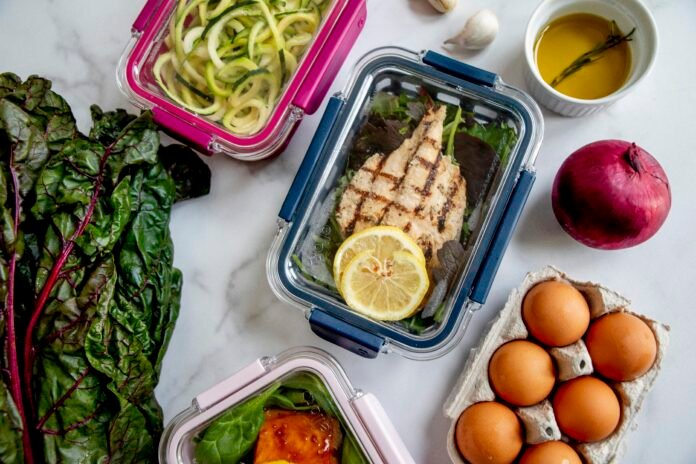
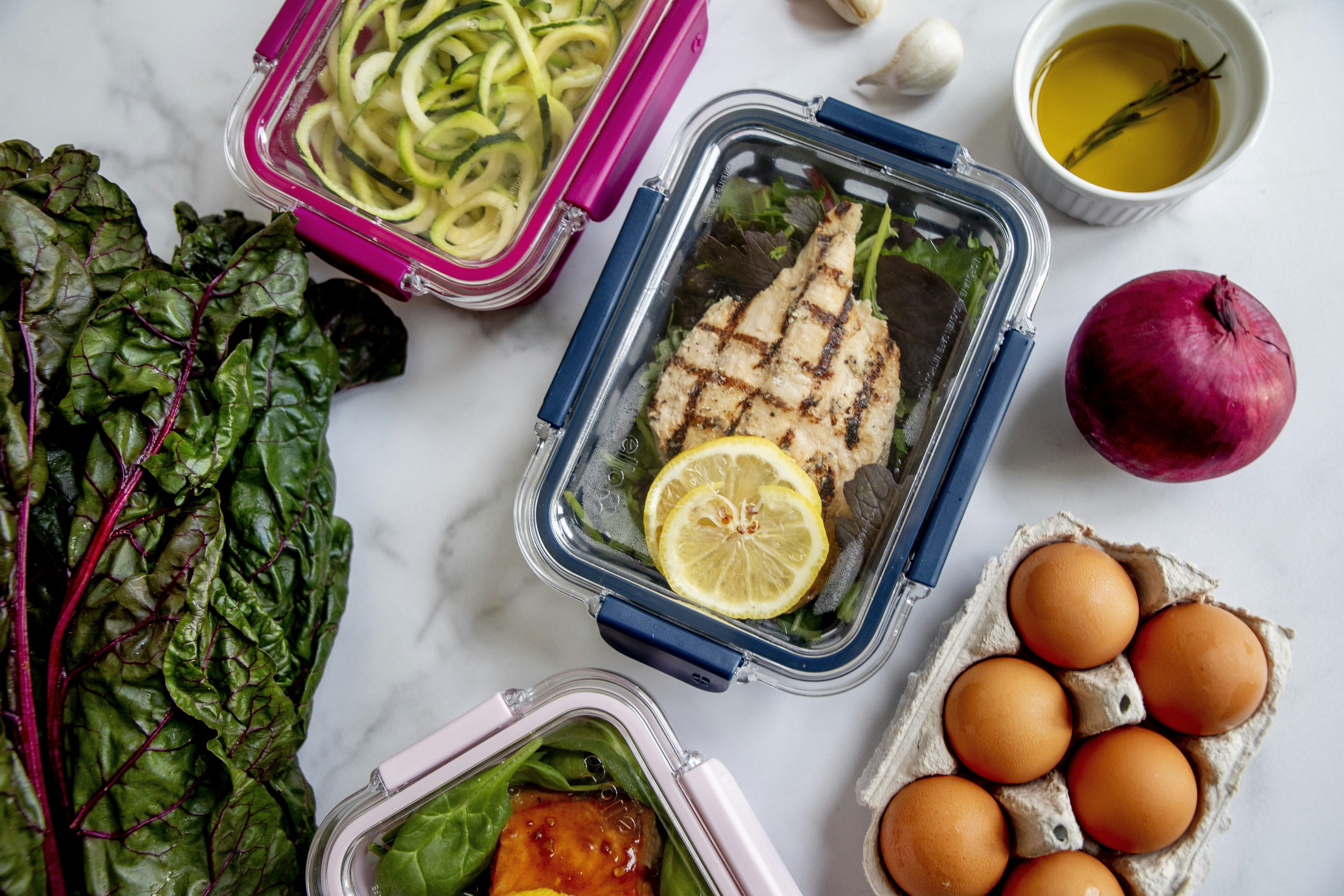
To streamline your meal prep experience, it is crucial to have the right kitchen tools and equipment at your disposal. These essentials can significantly enhance your efficiency, allowing you to save time and ensure your meals are both tasty and nutritious. One of the most vital items is a variety of storage containers. Selecting containers in multiple sizes will provide you with flexibility when portioning meals. Opt for airtight containers made of glass or BPA-free plastic to preserve food freshness, as well as to prevent spills and contamination.
A food scale is another indispensable tool for effective meal prepping. Use a food scale to measure ingredients accurately, which not only aids in portion control but also ensures consistent meal preparation. This accuracy can contribute to your dietary goals, whether you are focusing on weight management or simply aiming for balanced nutrition.
Additionally, investing in high-quality cooking utensils, such as spatulas, spoons, and knives, is essential. Having the right tools to cut, mix, and cook will make your meal preparation faster and more enjoyable. Consider also utilizing a blender, which can be perfect for creating smoothies, soups, or sauces. A slow cooker is another invaluable addition to your kitchen; it allows for set-and-forget meal preparation, enabling you to prepare dishes while attending to other tasks.
For an organized meal prep experience, integrating tools like labels and markers to date and identify your meals can be beneficial. This practice not only helps in portion management but also ensures that you consume meals before they expire. By equipping your kitchen with these essential tools, you can simplify the meal prep process, making it more efficient and enjoyable, ultimately setting yourself up for success during busy weeks.
Planning Your Weekly Menu
Creating a balanced weekly menu is an essential step in meal prep that can greatly enhance both nutrition and efficiency during busy weeks. Start by selecting a variety of proteins, vegetables, and grains to ensure you meet all dietary needs. It is often beneficial to include lean meats, legumes, and plant-based proteins, as these options can provide essential nutrients while being versatile in meal preparation.
Incorporating seasonal ingredients is a valuable aspect of meal planning. Seasonal produce is not only fresher and tastier but also often more affordable. Check local farmer’s markets or grocery store sections dedicated to local products. Utilizing these ingredients can elevate the appeal of meals while reducing the environmental impact associated with transporting food over long distances.
To create an enticing menu, consider allowing for theme nights throughout the week. For instance, you might designate Monday as a Mexican-inspired taco night and Wednesday as an Italian pasta evening. This approach introduces excitement within your meals and encourages diverse culinary exploration, making healthy eating less monotonous.
Once your menu is established, the next crucial step is constructing a grocery list based on your planned meals. Write down all necessary ingredients, categorizing them by sections of the store, such as produce, dairy, and grains. This organized approach not only streamlines the shopping process but can also help reduce impulse purchases. Additionally, consider batch cooking some components—such as grains or roasted vegetables—during the weekend. This preparation saves time and ensures ingredients are ready to be included in meals throughout the week.
Overall, thoughtful planning of your weekly menu with a focus on variety and seasonal items will enhance the meal prep experience. This method not only supports a healthier lifestyle but also fosters creativity in the kitchen.
Batch Cooking Techniques
Batch cooking refers to the process of preparing large quantities of food at once, allowing for efficient meal planning and preparation throughout the week. This method not only saves time but also helps to maintain a healthy diet amidst a busy schedule. Various cooking techniques are ideal for batch cooking, and understanding these can enhance the overall efficiency and enjoyment of the process.
One popular method is baking, which is particularly effective for items such as casseroles, entire chicken, or roasted vegetables. By preparing dishes in the oven, you can simultaneously cook multiple items on different trays, maximizing the use of time and energy. Bake dishes that can be easily portioned into individual servings, making them convenient for quick meals throughout the week.
Another technique is steaming, which preserves the nutrients and flavors of food. This method is ideal for vegetables, grains, and proteins like fish or chicken. Steaming multiple ingredients at once allows you to create wholesome, balanced meals effortlessly. Consider using a multi-tiered steamer to optimize space and cook various items simultaneously, streamlining your meal prep sessions.
Slow cooking is another excellent option for batch cooking. With the assist of a slow cooker, you can prepare hearty soups, stews, or chili that can be made in bulk. Simply combine your ingredients in the slow cooker in the morning, and by dinner, you will have a satisfying meal ready to serve. Additionally, slow-cooked meals can be portioned and frozen for future use, providing flexibility in meal choices during the week.
Incorporating these techniques into your meal prep routine not only simplifies the cooking process but also encourages a healthier lifestyle, as you have nutritious, ready-to-eat meals available at your convenience.
Quick and Nutritious Breakfast Ideas
Starting the day with a healthy breakfast is essential for maintaining energy levels and improving overall productivity. However, in the midst of a busy week, preparing a nutritious meal can often fall to the wayside. Here, we present several quick breakfast options that can be prepared in advance, making it easier to prioritize breakfast even on the busiest of mornings.
One popular choice is overnight oats. This dish provides a hearty serving of fiber and protein and can be customized to suit various taste preferences. Simply combine rolled oats with your choice of milk or yogurt, and add toppings such as fruits, nuts, and seeds. Allow the mixture to set overnight in the refrigerator, and in the morning, you’ll have a delicious and filling meal ready to go.
Another time-saving breakfast idea is to prepare smoothie packs. By portioning out ingredients such as spinach, berries, and bananas into freezer bags, you can create a nutritious base for your morning smoothie. When you’re ready to eat, simply blend the contents of a bag with your choice of liquid, and enjoy. Smoothies are not only quick to prepare, but they also offer a wide array of vitamins and antioxidants, making them a fabulous addition to any breakfast routine.
Egg muffins are yet another excellent option for those looking to streamline their weekday breakfast. By whisking together eggs with your favorite vegetables, cheese, and even proteins like turkey or bacon, you can bake a batch of portable muffins that are both satisfying and nutritious. These egg-based treats can be refrigerated or frozen, allowing for easy reheating during hectic mornings.
By preparing these meals in advance, you can ensure that a healthy breakfast is always within reach, offering a balanced start to your day. Taking a little time during the weekend or when you have a spare moment can significantly enhance your breakfast routine, leading to better overall nutrition and wellness.
Healthy Lunch Recipes for Busy Days
For those navigating a bustling lifestyle, having healthy lunch options readily available can make a significant difference in maintaining nutritional balance. The following ideas focus on simplicity while encouraging flavor and variety, making it easier to sustain healthy eating habits throughout the week.
Salads can be an excellent base for nutritious lunches. By incorporating a variety of ingredients such as leafy greens, colorful vegetables, lean proteins, and healthy fats, it is possible to create a balanced meal that is both satisfying and enjoyable. For instance, a mixed greens salad topped with grilled chicken, cherry tomatoes, avocados, and a sprinkle of feta cheese delivers a delightful blend of textures and flavors. Additionally, a lemon vinaigrette or balsamic dressing can enhance the taste without adding excessive calories. Preparing salad jars in advance allows for easy grab-and-go options without compromising freshness.
Wraps are another versatile choice when it comes to healthy lunches. Using whole grain or lettuce wraps, you can fill them with a protein source such as turkey, hummus, or black beans, and add assorted vegetables and spices to elevate the flavor. This method not only facilitates a quick lunch but also introduces an enticing variety of textures and tastes. Consider combining roasted sweet potatoes, spinach, and a tahini sauce for a nutritious vegetarian wrap.
Grain bowls present a hearty and flexible lunchtime solution, inviting a diverse mix of grains like quinoa, brown rice, or farro paired with proteins and vegetables. Incorporating ingredients such as roasted vegetables, chickpeas, or grilled shrimp can keep your meals fresh and exciting. Drizzling a homemade dressing over the top can also enhance the overall flavor profile of your bowl, ensuring that healthy lunches remain enjoyable and anything but monotonous.
Dinner Options That Save Time
With the increasing pace of modern life, having quick and healthy dinner options is essential for many individuals and families. Meal prepping can significantly alleviate the stress of busy evenings, enabling one to enjoy nutritious home-cooked meals without extensive time commitments. A variety of dinner recipes lend themselves particularly well to advance preparation, especially stir-fries, casseroles, and one-pan meals.
Stir-fries are an excellent choice for those looking to save time while still enjoying vibrant and balanced meals. These dishes combine fresh vegetables with a protein source, such as chicken, beef, or tofu, cooked rapidly at high heat. Preparing a big batch of stir-fry can be a time saver; simply chop vegetables and protein in advance, store them in airtight containers, and when ready to eat, a quick sauté is all it takes. Additionally, leftover stir-fry can taste even better the next day, as the flavors meld beautifully during storage.
Casseroles are another convenient dinner option. They can be prepared in advance and stored in the refrigerator or freezer until you’re ready to reheat. These dishes, often composed of proteins, vegetables, and a starchy base like pasta or rice, offer substantial servings perfect for feeding a family. To reheat effectively, cover the casserole with foil to retain moisture and bake at a moderate temperature, ensuring even heating without drying out the meal. Casseroles are not only time-efficient but also a great way to utilize leftover ingredients from previous meals.
One-pan meals are particularly beneficial for reducing both cooking time and cleanup. By incorporating proteins and a variety of vegetables on a single sheet pan or skillet, these recipes can be prepared with minimal effort. Following the cooking process, leftovers can easily be stored and reheated in their original dish, preserving both flavor and convenience. This makes one-pan meals an ideal choice for anyone seeking to optimize their dinner routine.
Snacks to Keep You Energized
Maintaining energy levels throughout the day can be challenging, especially for those with busy schedules. Preparing nutritious snacks in advance can alleviate this issue, ensuring that you have healthy options readily available. Below are a few simple snack ideas that are both satisfying and easy to prepare, making them ideal for on-the-go lifestyles.
One popular option is homemade energy bars. These can be tailored to personal tastes and dietary requirements. A basic recipe typically includes oats, nut butters, seeds, and dried fruits, providing a delicious blend of carbohydrates, protein, and healthy fats. These energy bars can be made in batches and stored in the refrigerator for a quick snack option whenever needed. They are a perfect balance of nutrients to sustain energy levels while also satisfying sweet cravings.
Another excellent snack idea is veggie packs paired with hummus. Prepping assorted vegetables such as carrots, bell peppers, and cucumber sticks offers a crunchy and refreshing snack that is low in calories yet high in essential vitamins and minerals. Hummus, made from chickpeas, garlic, and tahini, serves as a perfect dip, providing additional protein and fiber. Packing these together in individual containers makes it easy to grab and go, without compromising on nutrition.
Fruits are also an essential component of a healthy snack regimen. Consider combinations such as apple slices with almond butter or a simple fruit salad that includes berries, bananas, and citrus. These selections not only offer natural sweetness but are loaded with antioxidants, vitamins, and energy. By incorporating varied snacks like energy bars, veggie packs, and fruit combinations into your meal prep, you ensure that your busy weeks remain energized and health-conscious.
Tips for Storing and Reheating Meals
Effectively storing and reheating prepared meals is essential for maintaining freshness, flavor, and food safety throughout the week. When you prepare meals in advance, it is crucial to utilize appropriate storage techniques. Start by selecting high-quality, airtight containers that are suitable for both the refrigerator and freezer. Glass containers are preferred as they do not impart any flavors to the food and are microwave-safe, while plastic options must be BPA-free to ensure safety.
Labeling and dating your containers is an important practice to avoid confusion and food waste. Use a permanent marker or adhesive labels to indicate the meal contents and the date it was prepared. This will help you keep track of how long meals have been in storage, as most prepared meals maintain their best quality for about three to four days in the refrigerator and up to three months in the freezer. Therefore, knowing the storage duration enhances meal rotation and minimizes spoilage risks.
When it comes to reheating meals, it is vital to do so gradually to retain both flavor and texture. The best method is often using a microwave, stovetop, or oven, depending on the dish type. For microwave reheating, ensure the meal is evenly distributed in the container, and cover it with a microwave-safe lid to retain moisture. Stovetop reheating works well for soups, stews, and sauces—just add a splash of water or broth to help keep the consistency intact. Oven reheating is suitable for casseroles and baked goods, allowing for a crispy texture.
Furthermore, maintaining a clean-up routine post-meal prepping is essential for ensuring hygiene and minimizing cross-contamination. Always clean your workspace, utensils, and containers immediately after use. This will ensure that your healthy meal prep journey remains both efficient and safe.