

Introduction to Hiking
Hiking is a popular outdoor activity that attracts countless enthusiasts each year, offering the opportunity to immerse oneself in nature while enjoying physical exercise. As a form of recreation, hiking encompasses trails of varying lengths and difficulties, making it accessible to individuals of all skill levels, including beginners. This versatility is a significant factor in the surge of interest in hiking, as it allows people to experience the beauty of the natural world at their own pace.
Engaging in hiking provides numerous benefits, both physical and mental. Physically, it serves as an excellent cardiovascular workout that can enhance endurance, strengthen muscles, and improve overall fitness. Mentally, spending time in nature has been linked to reduced stress levels, increased mindfulness, and enhanced mood. As beginners venture into hiking, they may experience a sense of accomplishment upon completing their chosen trails, which can further motivate them to continue exploring the outdoors.
However, successful hiking requires adequate preparation to ensure safety and enjoyment during the experience. Understanding trail conditions, weather patterns, and personal fitness levels is crucial for choosing appropriate routes. Moreover, being equipped with the right gear and knowledge of essential safety protocols can make a substantial difference, particularly for those who are new to the activity. Beginners should familiarize themselves with hiking etiquette and common navigational techniques to enhance their understanding of the outdoors. All these factors contribute to a rewarding hiking experience and help foster a lifelong appreciation for nature.
Choosing the Right Hiking Trail
Selecting an appropriate hiking trail is crucial for ensuring an enjoyable and safe outdoor experience, especially for beginners. Your choice should reflect your current experience level, physical fitness, and the time you have available for the hike. Different trails offer varying levels of difficulty, so it is essential to assess your capabilities honestly. Beginners should seek out trails that are labeled as easy or moderate, with clear, well-marked paths and minimal elevation gain. These trails often provide a comfortable setting to learn the basics of hiking without overwhelming challenges.
Distance is another key factor in selecting a hiking trail. Beginners might find it beneficial to start with shorter hikes, typically ranging from one to five miles. As fitness levels and confidence grow, progressively longer distances can be tackled. It is essential to factor in breaks and the total time needed to complete the hike, including the return trip. A common recommendation is to budget about two hours for every mile, depending on terrain and fitness level.
Elevation gain should also be taken into account, as trails with steep climbs can be strenuous for novice hikers. Opt for trails with gentle slopes while developing your endurance and strength. Additionally, always review local weather conditions prior to your hike. Sudden changes in weather can significantly impact the safety of your trail choice. Resources such as hiking apps and maps can provide crucial information about trail conditions, elevation profiles, and estimated difficulty levels.
Utilizing these resources combined with careful consideration of your personal fitness and experience will greatly enhance your hiking journey. By selecting the right trail, you create a foundation for enjoyable outdoor adventures that can encourage growth and improve your skills over time.
Essential Gear and Equipment
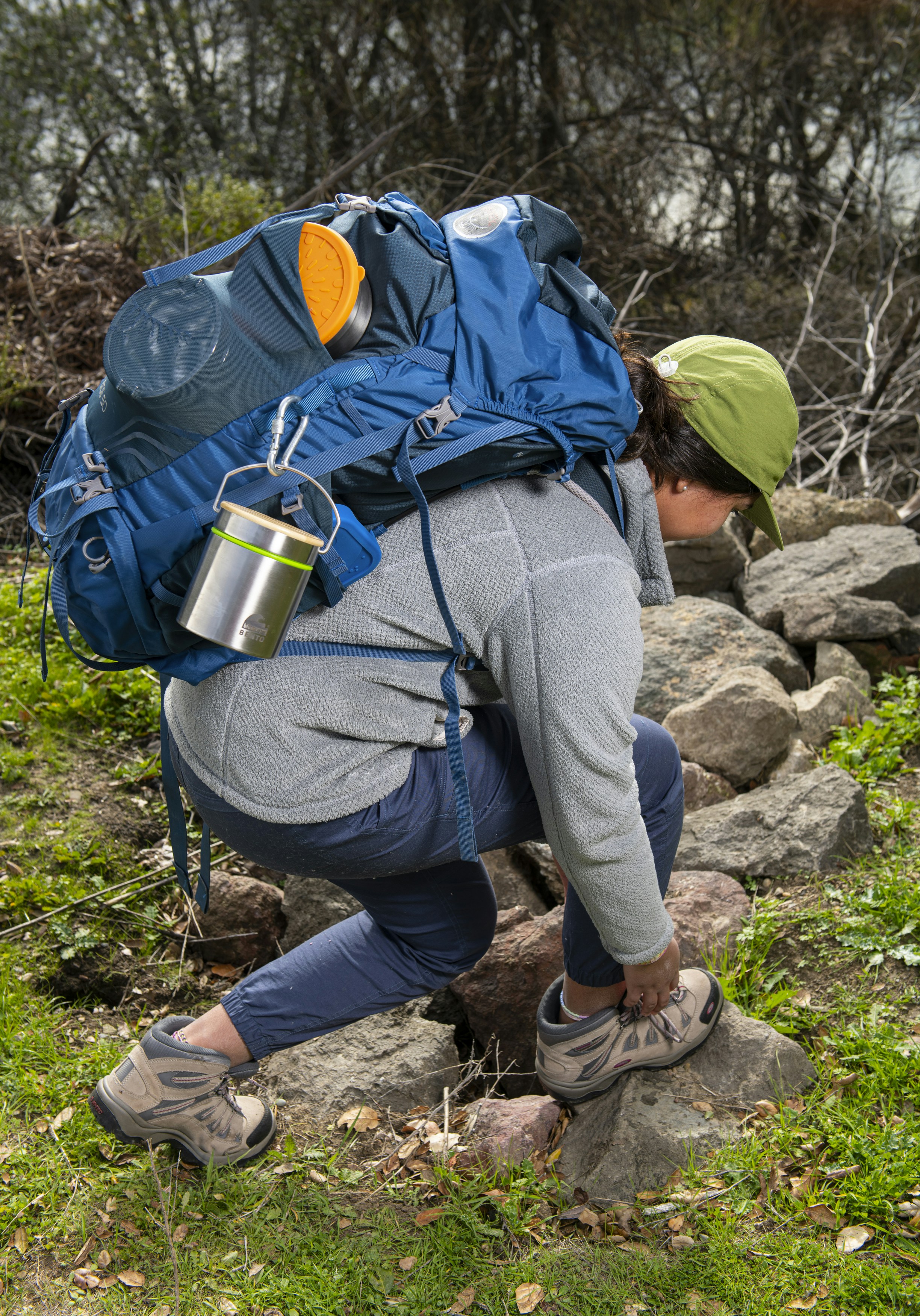
When embarking on your hiking journey, having the right gear and equipment is crucial for a safe and enjoyable experience. For beginners, investing in quality gear enhances comfort, safety, and overall performance on the trails. One of the most important components of your hiking gear is footwear. Walking shoes or dedicated hiking boots should provide adequate support and traction for varying terrains. Look for options with breathable materials and waterproof features, which can protect your feet from moisture and blisters.
Clothing is another vital aspect of hiking gear. Layering is the key to staying comfortable as temperatures can dramatically change throughout the day. Start with a moisture-wicking base layer to keep sweat away from your skin, followed by an insulating layer that retains warmth. A waterproof and windproof outer layer will protect you against the elements, ensuring you stay dry and warm during unexpected weather conditions. Investing in quality fabrics that are lightweight and quick-drying can significantly enhance your overall hiking experience.
A good backpack is essential for carrying your gear, water, and snacks during your hike. Choose a backpack that offers adjustable straps, multiple compartments, and a comfortable fit to reduce strain on your body. For day hikes, a backpack with a capacity of 20-30 liters is generally sufficient. Additionally, don’t overlook the importance of navigation tools. A reliable map, compass, or a GPS device can prevent you from getting lost and ensure you stay on your intended path. Knowledge of how to use these tools is equally important. By carefully selecting these essential pieces of gear and equipment, beginners can significantly enhance their hiking experience and enjoy the great outdoors to the fullest.
Packing Essentials for Your Hike
When preparing for a day hike, it is crucial to have a well-thought-out packing strategy. The right gear and supplies will enhance your hiking experience while ensuring safety. Here is a comprehensive checklist of essentials to consider.
Firstly, hydration is critical. Always carry sufficient water, aiming for at least two liters for a full day hike, depending on the weather and your exertion level. It’s wise to have a reusable water bottle or hydration bladder to facilitate easy drinking.
Nourishment is equally important. Pack high-energy snacks such as trail mix, energy bars, or fresh fruit to keep your energy levels up throughout your adventure. A balanced meal like a sandwich can also be a great addition, ensuring you remain fueled for the journey.
Safety should never be overlooked. A first aid kit is essential; it should include band-aids, antiseptic wipes, gauze, pain relief medication, and any personal medications you may need. Having these supplies on hand can help manage minor injuries effectively, ensuring a safe hiking experience.
In terms of tools, consider packing a multi-tool or a small knife. These can serve a variety of functions, from food preparation to emergency repairs. Additionally, bringing a lightweight headlamp or flashlight is advisable, especially if there’s a chance of returning after dark.
Navigation aids like a map and compass or a reliable GPS device are vital for exploring unfamiliar territory. Even if you plan to hike well-marked trails, it’s always prudent to have these tools as a backup.
Lastly, remember the importance of packing light. A heavy backpack can lead to fatigue, hindering your enjoyment. Prioritize essential items and leave behind non-essentials. By following these guidelines, you will be well-equipped for an enjoyable day hike that balances preparation with adventure.
Understanding Safety Precautions
For beginners venturing into hiking, understanding and adhering to safety precautions is critical to ensure an enjoyable and secure experience. One of the foremost considerations is to inform a trusted individual about your hiking plans. Sharing details such as your intended route, estimated return time, and the number of participants creates a crucial safety net. This way, should an unexpected situation arise, someone will be aware of where to initiate a search if you do not return as anticipated.
Staying on marked trails is another essential safety tip for hikers. These paths are typically well-maintained and designed to minimize exposure to potential hazards. Straying off-course can lead to encounters with dangerous terrain, unstable rock formations, or encounters with wildlife. It’s advisable to familiarize yourself with the area and utilize maps or GPS devices to help remain on designated trails, enhancing both your safety and enjoyment of the hike.
Additionally, recognizing natural hazards is vital. A beginner hiker must develop an understanding of the potential dangers that the environment can present, including but not limited to sudden weather changes, steep elevations, and slippery surfaces. Keeping an eye out for warning signs, such as flash flood alerts or signs of unstable ground, can assist in preventing accidents. Being aware of wildlife and maintaining a respectful distance from animals encountered during the hike is also paramount.
Knowing your physical limits cannot be overstated. Start with manageable trails and progressively challenge yourself as your endurance improves. Adequate preparation, including carrying the appropriate gear and sufficient water and snacks, can significantly amplify safety on the trail. By maintaining mindfulness and situational awareness while hiking, beginners can take proactive measures to ensure a safe and rewarding outdoor experience.
Basic Navigation Skills
For novice hikers, mastering basic navigation skills is crucial to ensuring a safe and enjoyable experience on the trails. Understanding how to read trail maps is one of the foundational skills every hiker should possess. A trail map typically indicates various routes, landmarks, and potential hazards. Familiarizing oneself with symbols and the scale used on the map can help hikers make informed decisions about their path, distance, and elevation changes.
Another essential tool in a hiker’s navigation arsenal is a compass. While many people rely on GPS devices in today’s digital age, a compass remains a reliable method for determining direction. Learning how to orient a map using a compass allows hikers to align their physical surroundings with their map, which can be invaluable in identifying their location on a trail. Understanding how to take bearings and recognize cardinal directions can significantly enhance a hiker’s ability to navigate confidently through unfamiliar terrain.
GPS devices offer advanced features, such as real-time location tracking, but they also require a basic understanding of the technology. It is essential for hikers to ensure their device is fully charged and that they are aware of how to download trail maps for offline use, as signal loss can occur in remote areas. Relying solely on technology can be risky if one does not possess the skills to navigate using traditional methods.
Moreover, honing your orientation skills plays a critical role in enhancing safety. Being able to identify natural landmarks such as rivers, mountains, or prominent rock formations can serve as aids when navigating. Hikers should practice recognizing these features and measuring their distances between them, heightening their situational awareness and preparedness in case they become disoriented.
Preparing for Weather Conditions
Hiking in varying weather conditions poses unique challenges that require careful preparation and adaptability. Understanding the forecast before embarking on your hike is crucial. Always check reliable weather sources for up-to-date information regarding temperature, precipitation, and potential storms. Apps and websites dedicated to hiking weather can offer forecasts specific to your planned trail, increasing your hiking safety and comfort.
Dressing appropriately for the weather is fundamental. A layered clothing system allows for versatility and comfort in fluctuating conditions. Start with a moisture-wicking base layer that keeps sweat away from your body. This is particularly important in warmer conditions when you may encounter heat and humidity. Over this, consider a breathable insulating layer for cooler temps, followed by a waterproof and windproof outer layer. Such a combination not only protects against the elements but also enables hikers to adjust their attire as conditions change. For example, if the temperature rises or the sun breaks through, removing layers is much easier than trying to add them on the go.
In addition to clothing, the right accessories can aid in coping with weather conditions. Hat and sunglasses can guard against sun exposure, while gloves and a warm hat are vital for cold hikes. Don’t forget to pack a lightweight rain jacket, as sudden rain showers can occur even in seemingly clear forecasts. Emergency items, such as emergency blankets or ponchos, can be lifesavers in unexpected situations.
Lastly, flexibility and adaptability are key. Remain vigilant during your hike; if conditions begin to deteriorate, be prepared to alter your plans. Recognizing when to turn back is just as important as planning the route in the first place. By anticipating weather changes, you ensure a safer and more enjoyable hiking experience.
Respecting Nature and the Environment
As outdoor enthusiasts, it is essential to maintain a strong commitment to conservation and environmental stewardship while hiking. Following the principles of Leave No Trace is crucial for minimizing our impact on the natural world. These principles guide hikers in preserving the landscapes they explore, ensuring that they remain beautiful and accessible for future generations.
A primary aspect of Leave No Trace is proper waste disposal. This includes packing out all items brought into the wilderness, from food wrappers to hygiene products. To further mitigate environmental impact, hikers should always dispose of waste in designated areas to prevent pollution and protect local wildlife. Human waste is particularly concerning; utilizing portable toilets or digging a “cat hole” at least six to eight inches deep, away from water sources, can help maintain hygiene and prevent contamination.
Wildlife safety is another crucial element of responsible hiking. Maintaining a respectful distance from animals and never feeding them is imperative, as human food can be harmful and lead to dependency on human sources. Observing wildlife from afar reduces stress on the animals and protects the delicate balance of the ecosystem. Hikers should also educate themselves on the local wildlife and vegetation to avoid inadvertently disrupting their habitats.
Moreover, hikers should strive to stay on established trails to minimize the risk of trail widening and ecosystem damage. Choosing the appropriate trail for one’s skill level not only ensures personal safety but also aids in preserving the surrounding environment. By following these guidelines, hikers can enjoy their outdoor experiences while safeguarding the earth’s precious resources. Ultimately, respecting nature and the environment is a fundamental responsibility that all hikers should embrace, allowing everyone to enjoy the splendor of the trails sustainably.
Conclusion: Embrace the Hiking Experience
As you embark on your hiking journey, it is essential to embrace the experience fully, allowing yourself to connect with nature and enjoy the extraordinary landscapes that lie beyond your everyday environment. Hiking is more than just a physical activity; it is an opportunity to explore the great outdoors, engage with beautiful surroundings, and cultivate a sense of tranquility that comes from being in nature. For beginners, the thrill of discovering new trails and the beauty of untouched environments can be incredibly rewarding.
Preparation plays a vital role in ensuring that your hiking experience is enjoyable and, most importantly, safe. From selecting the right gear to understanding the nuances of trail navigation, every detail counts. By following essential hiking tips and being well-prepared, you can mitigate risks and enhance your overall experience. Moreover, familiarizing yourself with the terrain, weather conditions, and specific trail requirements can significantly contribute to a successful outing.
Safety should also be a priority as you venture into the wild. Always ensure you are informed about the trail’s difficulty level and possible hazards. Carrying sufficient water and nutritional snacks is crucial to maintaining your energy levels during the hike. A well-stocked first-aid kit can provide peace of mind for both novice and experienced hikers. Additionally, hiking with a companion is often safer and can enhance the enjoyment of the experience through shared discovery.
Take the scenic routes, breathe deeply, and relish in the beauty of nature. As you prepare to take your first steps onto the trail, remember that every hiker was once a beginner. With proper preparation and a mindful approach, you can confidently embark on this exciting adventure. The world of hiking awaits you — dive in and make lasting memories.