

Introduction to Swimming for Fitness
Swimming is widely recognized as one of the most effective full-body workouts, offering numerous advantages for individuals aiming to lose weight and enhance their endurance. Engaging in swimming activates a wide range of muscle groups, including the arms, legs, core, and back, resulting in a comprehensive fitness routine that delivers significant calorie-burning potential. This multifaceted approach not only contributes to weight loss but also aids in muscle toning and improved overall body composition.
One of the primary benefits of swimming lies in its ability to elevate the heart rate, contributing to cardiovascular health. This aerobic exercise style performs exceptionally well in boosting your metabolism, assisting in the fat-burning process. The water provides natural resistance, ensuring that each stroke not only helps to build strength but also promotes endurance. As individuals consistently engage in swimming workouts, they often notice significant improvements in their stamina and energy levels.
In addition to its physical benefits, swimming is a low-impact exercise, making it suitable for people of various fitness levels and ages. The buoyancy of water reduces stress on joints, allowing individuals to exercise without the risk of injury commonly associated with high-impact workouts. This characteristic makes swimming an ideal choice for those recovering from injuries or those who have joint concerns but still wish to engage in an effective weight loss and fitness program.
Furthermore, endurance plays a crucial role in swimming fitness. By incorporating longer distances and varied strokes into training sessions, swimmers can improve their aerobic capacity, which is vital in all forms of physical activity. As a result, swimming not only aids in immediate fitness goals but also sets a foundation for long-term health and well-being.
Understanding Weight Loss and Endurance
In the realm of fitness, the concepts of weight loss and endurance play crucial roles in achieving overall health and well-being. Weight loss refers to the reduction of body mass, primarily through a caloric deficit, which occurs when the number of calories burned exceeds the number of calories consumed. This process can be facilitated through various forms of exercise, including swimming, a low-impact activity that promotes significant caloric expenditure.
Caloric deficit can be achieved not only through sustained exercise but also by modifying dietary habits to ensure one is consuming fewer calories than they are expending. It is essential to maintain a balanced diet that supports the individual’s energy needs while allowing for effective weight management. By incorporating swimming into a routine, individuals can enhance their weight loss efforts, as even moderate swimming can burn a considerable number of calories based on duration, intensity, and body weight.
Endurance, on the other hand, refers to the ability of the body to sustain prolonged physical activity over time. It is closely linked to cardiovascular health, which can be significantly improved through regular swimming sessions. When swimming consistently, individuals can improve their cardiovascular endurance as the heart and lungs become more efficient at supplying oxygen to the muscles. This physiological adaptation not only aids in weight loss by boosting the overall metabolic rate but also enhances physical performance across various activities.
The interplay between swimming frequency, intensity, and duration is pivotal in both weight loss and endurance improvement. Increasing the frequency of swim workouts, engaging in higher intensity sessions, and extending workout durations can lead to greater calorie burn and enhanced stamina. Therefore, individuals seeking to achieve weight loss and build endurance should create a structured swimming program that varies these elements to optimize their results.
The Basics of Swimming Workouts
Swimming workouts are structured to maximize efficiency, ensuring that both weight loss and endurance are effectively addressed. A comprehensive swimming session typically consists of three crucial components: the warm-up, the main set, and the cool down. Each of these sections plays a vital role in enhancing a swimmer’s performance and achieving fitness goals.
The warm-up is essential for preparing the body for the physical demands of swimming. It typically includes a series of light swims, focusing on different strokes and techniques. This phase increases blood flow to the muscles, improves flexibility, and helps prevent injuries. Swimming at a comfortable pace, possibly incorporating drills, allows the swimmer to establish a proper rhythm and engage the correct muscle groups.
Following the warm-up, the main set is the heart of the swimming workout, where the emphasis shifts to building endurance and burning calories. This section is often characterized by interval training, where varying the intensity and duration of sprints can significantly contribute to weight loss. Techniques, such as focusing on a steady breathing pattern, ensure that the body optimally utilizes oxygen, enhancing overall performance and stamina. Swimmers can also monitor their intensity by experimenting with different speeds and distances, modifying their heart rate according to the desired workout goals.
The final component is the cool down, which is crucial for gradually bringing the body back to a resting state. Engaging in slower, controlled swims allows for recovery while preventing stiffness. This phase also offers the opportunity to reflect on the workout, making adjustments for future sessions based on what was learned regarding form and technique. By understanding these key components of swimming workouts, swimmers can effectively optimize their training for better weight loss and improved endurance in the water.
Swimming Techniques for Efficiency
Swimming efficiently requires a combination of technique, body positioning, and stroke-specific strategies. Understanding the primary swimming strokes—freestyle, backstroke, breaststroke, and butterfly—can significantly enhance performance and contribute to weight loss and endurance.
The freestyle stroke is typically the fastest and most efficient for long distances. Athletes should focus on maintaining a streamlined body position, with the head down and hips high in the water. Proper breathing techniques are essential; swimmers should turn their head only as much as necessary to breathe, minimizing disruption to the body’s alignment. Additionally, engaging the core and utilizing a strong kick will improve propulsion, ultimately increasing calorie expenditure.
The backstroke is unique due to its supine position. It offers a great opportunity to improve endurance while relieving pressure on the joints. Swimmers should emphasize a relaxed body position, with the hips slightly elevated, allowing for a more efficient stroke. Keeping a steady rhythm and utilizing a flutter kick ensures continuous momentum, thus burning energy effectively.
In breaststroke, the key to efficiency lies in the timing of the strokes. This stroke requires a more pronounced glide phase, focusing on strong pulls and kicks. Swimmers should maintain a horizontal body position to reduce drag, allowing for smoother transitions between pulls. The aim should be to minimize resistance while maximizing forward movement.
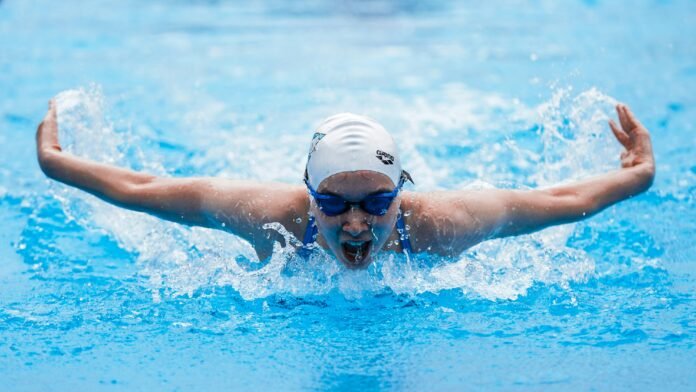
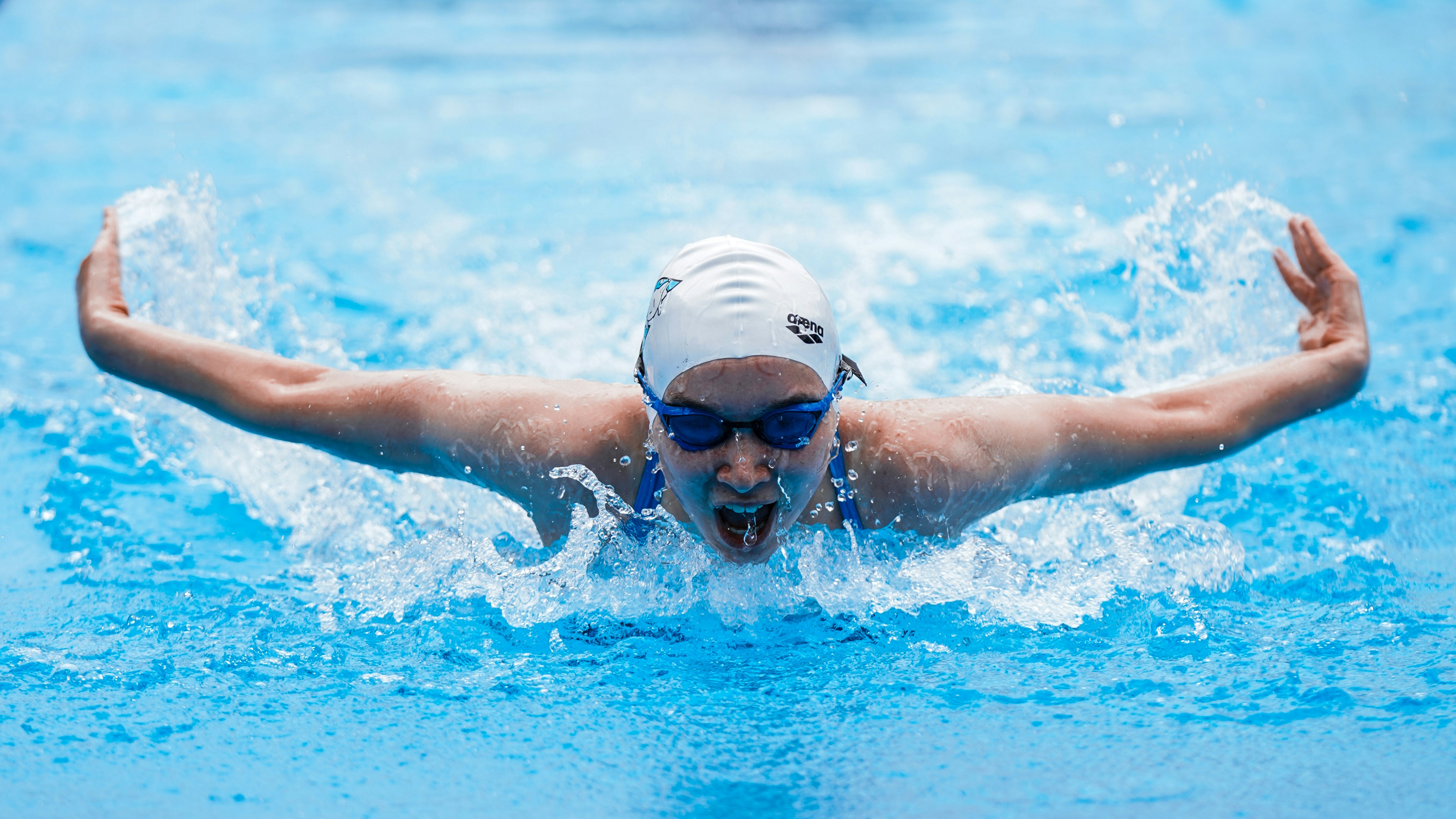
Lastly, the butterfly stroke is among the most physically demanding yet can be an effective calorie burner. Maintaining a fluid motion through a whale-like undulation of the body, swimmers must keep their movements synchronized. Focus on a strong kick and efficient arm strokes, which will both improve overall endurance and maximize power output.
Overall, mastering these swimming strokes, alongside proper body positioning and streamlining techniques, is crucial for enhancing performance, increasing endurance, and facilitating significant weight loss.
Sample Swimming Workouts for Weight Loss
Swimming is an excellent way to lose weight, improve cardiovascular health, and build endurance. Here, we present a variety of structured swimming workouts specifically tailored for weight loss. These workouts will help you maximize calorie burn while accommodating different skill levels. Each workout includes specified distances, intervals, and rest periods.
For beginners, a straightforward approach is a steady-state swim, aiming to swim continuously for 20 to 30 minutes at a comfortable pace. You might start with a warm-up of 5 minutes, swimming at an easy effort, then switch to the main set of 15-20 minutes of freestyle swimming. Conclude with a 5-minute cooldown. This workout establishes a good aerobic base, essential for any weight loss regimen.
Intermediate swimmers can benefit from high-intensity interval training (HIIT). A sample HIIT workout can include 10 sets of 50 meters swim, pushing yourself at near maximum effort followed by 20-30 seconds of rest. This method not only helps in burning calories rapidly but enhances stamina and speed. You can incorporate different strokes for added variety and engage various muscle groups.
Advanced swimmers may implement a circuit-style workout, which combines swimming with dryland exercises. Start with a warm-up swim of 10 minutes, then proceed to alternate between 100 meters of sprinting (freestyle or any stroke) and 30 seconds of bodyweight exercises such as push-ups or lunges, repeating this circuit for a total of 20 to 30 minutes. This variation keeps the heart rate elevated and maximizes fat loss while building strength.
Choosing the right swimming workouts can transform your fitness journey, making it both enjoyable and effective in achieving weight loss and enhancing endurance.
Sample Swimming Workouts for Endurance
Building endurance through swimming requires structured workouts that progressively challenge the body. It is essential to focus on pacing and technique while gradually increasing distance and time in the pool. The following sample workouts can help swimmers enhance their stamina and overall performance.
Beginner swimmers can start with a straightforward workout: a 30-minute session that includes a 5-minute warm-up of easy freestyle swimming, followed by four sets of 5 minutes of continuous swimming at a moderate pace, with 1-minute rest intervals in between each set. This workout focuses on maintaining a steady effort, promoting endurance while allowing swimmers to gauge their pacing. Over time, swimmers can extend the swimming duration to 7 or 10 minutes as their fitness improves.
Intermediate swimmers may aim for longer sessions, such as a 60-minute workout that includes a 10-minute warm-up followed by a pyramid set. This set could involve swimming 100 meters at a moderate pace, resting for 30 seconds, followed by 200 meters at a slightly quicker pace, resting for 45 seconds, and then 300 meters at a strong pace, resting for 1 minute. This pyramid structure encourages sustained effort, preparing swimmers to tackle longer distances progressively.
Advanced swimmers could integrate interval training into their workouts to boost endurance. A recommended session could start with a 15-minute warm-up, followed by 10 x 200 meters at a challenging pace with 30 seconds of rest in between. Focusing on consistent pacing during these intervals can significantly enhance cardiovascular capacity. Swimmers should aim to maintain their effort throughout the workout, pushing themselves to build stamina efficiently.
It’s advisable for all swimmers to incorporate these workouts into their weekly routine, starting with two to three sessions per week and gradually increasing frequency as endurance improves. Balancing intensity and recovery is crucial to avoid fatigue and promote continuous progress in building swimming endurance.
Incorporating Strength Training into Swimming Regimens
Integrating strength training into swimming regimens is a strategic approach to enhance performance, increase endurance, and facilitate weight loss. The combination of these two forms of exercise creates a synergistic effect that can significantly improve a swimmer’s overall fitness level. Strength training exercises that target muscle groups used in swimming—such as the shoulders, core, and legs—are essential to developing the power and explosiveness needed for effective strokes.
One of the primary benefits of incorporating strength workouts is injury prevention. Swimming, while it is a low-impact exercise, can still lead to overuse injuries if swimmers are not adequately prepared. Strengthening the muscles and connective tissues surrounding the joints can build resilience, allowing swimmers to withstand the repetitive motions associated with their sport. For instance, exercises like bench presses, squats, and shoulder presses can work to support the key muscle groups used during swimming strokes, thus promoting better efficiency in the water.
To effectively incorporate strength training into a swimming workout schedule, it is crucial to strike a balance that accommodates both types of training. A recommended approach is to include strength sessions two to three times per week, ideally on days when swimmers perform shorter swim workouts or technique drills. This scheduling prevents fatigue from overlapping with more intensive swim training sessions, allowing athletes to focus on each training modality separately. Additionally, swimmers should consider using resistance bands, bodyweight exercises, and free weights for versatility and to engage various muscle groups in a functional manner.
In conclusion, the integration of strength training into swimming routines not only bolsters performance but also supports injury prevention and aids in developing lean muscle. Focusing on targeted strength exercises can create a well-rounded training regimen that promotes efficiency and longevity in the sport.
Nutrition Tips for Swimmers
Proper nutrition is pivotal for swimmers aiming to enhance their performance, aid in weight loss, and build endurance. To achieve these goals, swimmers should focus on a balanced diet that fuels their bodies effectively. Optimal pre-workout meals are essential, as they provide the energy needed for an intense training session. A meal rich in carbohydrates, such as oatmeal with fruits, can be consumed about 2 to 3 hours before swimming to ensure sustained energy levels during the workout. This timing allows the body adequate time to digest the food and convert it into usable energy.
Post-workout meals are equally important. Consuming a combination of protein and carbohydrates soon after swimming facilitates recovery. A smoothie made with protein powder, banana, and spinach serves as an excellent recovery option. It not only replenishes glycogen stores but also helps repair muscle tissue. Aim to consume this recovery meal within 30 minutes of completing your swim.
Hydration is a fundamental aspect of any swimmer’s nutrition plan. It is crucial to maintain fluid balance before, during, and after workouts. Swimmers should drink water or electrolyte-rich beverages to stay hydrated, especially during long training sessions or in high temperatures. A good rule of thumb is to start hydrating before feelings of thirst occur, ensuring optimal performance levels.
Additionally, the timing of nutrient intake plays a significant role in maximizing energy levels. Incorporating healthy snacks throughout the day is beneficial. Options like mixed nuts, Greek yogurt, or fruit provide a quick energy boost and support overall nutritional needs. Swimmers should prioritize whole foods that are rich in nutrients, such as lean proteins, whole grains, healthy fats, and plenty of fruits and vegetables. These food choices enhance not only physical performance but also promote overall health.
Tracking Progress and Staying Motivated
Monitoring progress is a key component of any successful swimming workout routine aimed at weight loss and endurance enhancement. Keeping track of swim distances, timings, and various techniques not only provides a clear view of improvements but also helps swimmers to set and achieve realistic goals. Many athletes find that maintaining a detailed logbook or using mobile applications specifically designed for tracking swim workouts is beneficial. These tools often allow users to record their swim sessions, including distance covered, time taken, stroke efficiency, and other pertinent metrics. Such detailed tracking can help identify patterns, strengths, and areas for further development.
Setting both short-term and long-term goals is crucial in this context. Short-term goals could include increasing the distance swum within a specific time frame or improving technique, while long-term goals might focus on preparing for a competitive event or achieving a certain level of fitness. By establishing these goals, swimmers can create a structured path to follow, which can enhance motivation and drive. It is important to ensure that these goals are SMART—Specific, Measurable, Achievable, Relevant, and Time-bound—to provide clarity and direction.
In addition to personal tracking, engagement with a swimming community can significantly boost motivation. Participating in swim clubs, online forums, or local events can provide a support system that encourages consistency and perseverance. Challenges, such as swim distance milestones or time trials, can foster a spirit of healthy competition. Furthermore, setting personal benchmarks for improvement allows swimmers to celebrate their progress, reinforcing their commitment to the sport. By cultivating an environment of support and aiming for incremental achievements, individuals can maintain their motivation and stay focused on their swimming workouts as effective tools for weight loss and endurance training.