


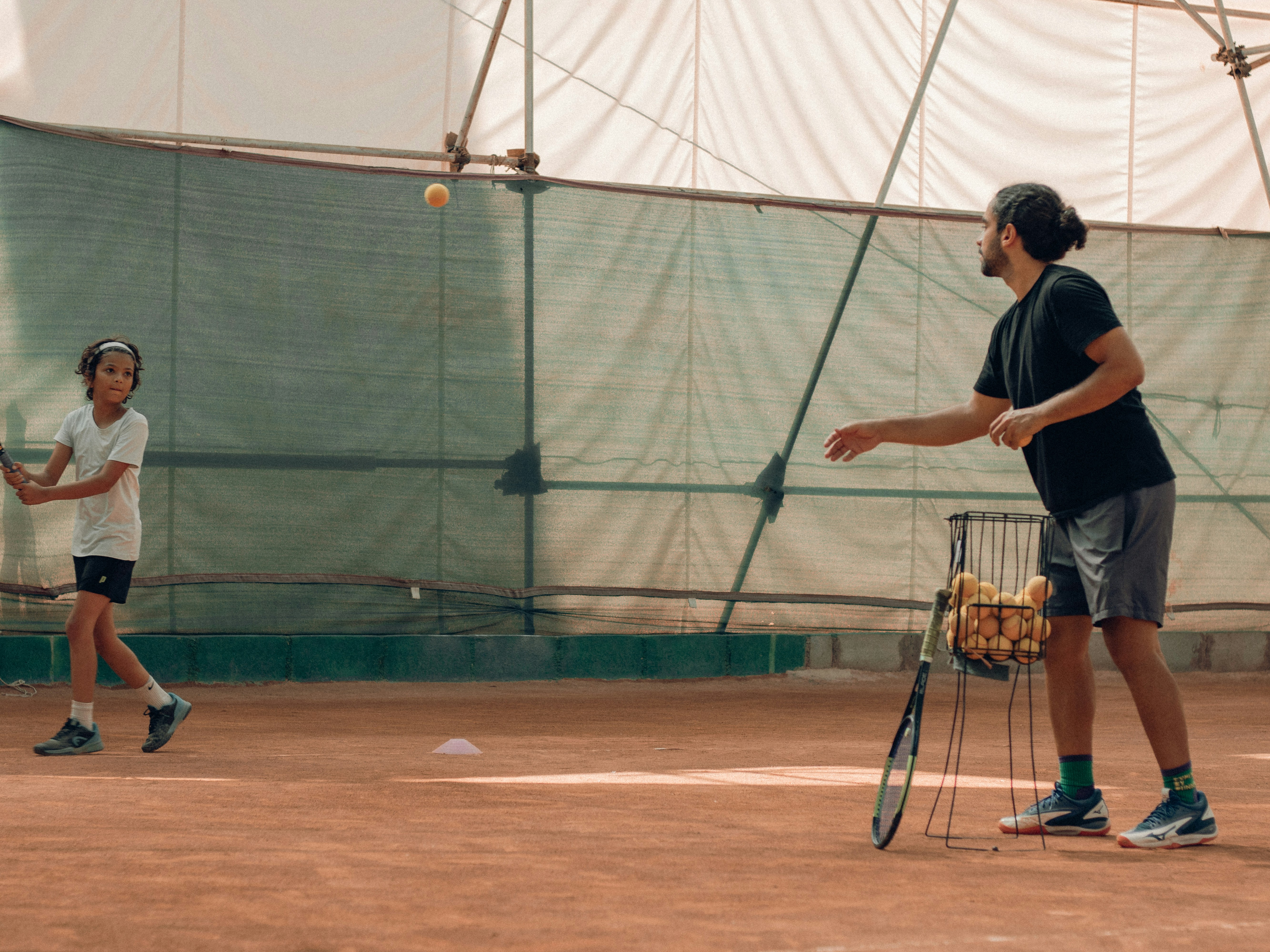
Understanding Tennis Basics
Tennis is a dynamic sport that combines physical agility, mental strategy, and coordination. Understanding the fundamental rules and structure of tennis is vital for those looking to engage in this exhilarating game. At its core, tennis is played between two players in singles matches or four players in doubles matches, with the objective being to hit the ball over the net and into the opponent’s half of the court.
The tennis court is rectangular and divided by a net, with specific dimensions that vary for singles and doubles play. A singles court measures 78 feet long and 27 feet wide, while a doubles court extends to 36 feet wide. The service boxes, found at each end of the net, are critical areas where players must serve the ball, initiating gameplay.
Scoring in tennis can be somewhat intricate for beginners. The points are counted in a sequence of “15,” “30,” “40,” and “game.” If both players reach a score of 40, the game enters deuce, requiring one player to win two consecutive points to secure the game. matches are typically played in sets, with a standard rule dictating that a player must win six games to claim a set, provided they have a margin of at least two games over their opponent. In cases where both players reach six games, a tiebreaker may be used to determine the winner of the set.
Tennis matches are generally contested in a best-of-three or best-of-five sets format, depending on the tournament rules. This structure not only adds intensity but also allows players to demonstrate consistency and resilience over time. The understanding of these basics is crucial, as it lays the groundwork for new players to not only appreciate the game but also to engage competitively.
Essential Equipment You Need
Getting started with tennis requires some essential equipment that is pivotal to both performance and enjoyment of the game. At the forefront of this equipment is the tennis racquet. The choice of racquet greatly influences a player’s game, and it is vital for beginners to select one that suits their skill level. Generally, lighter racquets with larger head sizes are recommended for new players, as they provide more power and a larger sweet spot for contact with the ball. It is also advisable to choose a racquet that is appropriately weighted for one’s strength and size.
Another crucial item is the tennis balls. For beginners, it is beneficial to use low-compression balls, as they are softer and bounce lower than standard balls. This feature allows new players to gain confidence while developing their skills without the pressure of fast-paced play. As one progresses, transitioning to regular tennis balls becomes feasible.
Adequate footwear is important as well. Tennis courts can vary in surface type, and wearing the correct shoes can prevent injuries and improve performance. Tennis shoes are specifically designed to provide stability, support, and traction on the court. It is recommended to select court-specific shoes that match the surface type—hard court, clay, or grass. Additionally, sporty and comfortable athletic apparel should be worn for ease of movement. Breathable fabrics that wick moisture can enhance comfort during play.
As beginners navigate their way into the sport, it is essential to invest wisely in equipment that corresponds with their level of play and budget. By selecting the right racquet, balls, shoes, and sportswear, new players can create a solid foundation for their tennis journey.
Finding the Right Tennis Court
When beginning your tennis journey, selecting the right tennis court can significantly enhance your experience and development in the sport. There are various avenues to explore when looking for local tennis courts, including public parks, private clubs, and indoor facilities. Each option may offer distinct advantages, depending on your level of play and specific preferences.
Public parks often feature accessible and affordable tennis courts, making them ideal for beginners. These courts are frequently maintained by local municipalities and provide a comfortable environment for practice and play. To locate public courts, online resources such as local government websites or tennis apps can help you easily find parks in your vicinity. These tools often include user reviews, availability schedules, and possible reservation requirements.
Private clubs, on the other hand, may require membership, but they often boast well-maintained facilities, advanced coaching programs, and a vibrant tennis community. Before committing, consider visiting several clubs to evaluate their court surfaces, available amenities, and community atmosphere. Clubs that offer hard, clay, or synthetic courts cater to varying playing styles and can influence your performance and comfort while playing.
Indoor facilities are also essential to consider, especially for those living in regions with harsh weather conditions. Indoor courts allow you to practice year-round without the interruptions of rain or snow. When selecting an indoor facility, consider factors like lighting, court surface, and availability during peak hours. It is also valuable to seek recommendations from fellow players or local coaches to uncover hidden gems in your area.
Ultimately, finding the right tennis court involves balancing various factors, including accessibility, play surface, and community support. By thoroughly researching your options, you can create a conducive environment for enhancing your skills and enjoying the sport.
Basic Tennis Techniques for Beginners
Tennis, a sport that combines physical skill and strategic thinking, begins with mastering basic techniques. For beginners, understanding the essential strokes is crucial to developing a solid foundation. The four fundamental strokes in tennis are the forehand, backhand, serve, and volley. Each stroke has unique techniques, forms, and common pitfalls that one must navigate to improve their game.
The forehand stroke is typically the most familiar and powerful shot for new players. To execute a forehand correctly, one should stand sideways to the net, with feet shoulder-width apart and knees slightly bent. The racket should be held with an Eastern or semi-Western grip, allowing for efficient follow-through. A common mistake beginners make is failing to pivot their hips and shoulders, resulting in a weak shot. To avoid this, focus on rotating your body when striking the ball to generate more power and control.
The backhand stroke is equally important but may be more challenging for novices. Beginners can choose between a one-handed or two-handed grip, each offering different advantages. The two-handed backhand provides stability, while a one-handed backhand allows for greater reach and finesse. Players should ensure they are balanced and have correct hand positioning on the racket. A frequent error in backhanding is overreaching, which can lead to mis-hits. Practicing controlled movements and starting with shorter swings can help mitigate this issue.
Next is the serve, the only shot in tennis that allows players to dictate play from the outset. A proper serve begins with a consistent toss, ideally with the ball coming above the head. Players should aim for a linear swing path and full body extension upon contact. Beginners often struggle with serving consistency; thus, focusing on rhythm and timing will enhance reliability. Learning to identify the areas of the court to target during serves can also create strategic advantages.
Finally, the volley is executed close to the net and requires quick reflexes. Players should adopt a ready position, with their racket in front and feet slightly apart. The key here is soft hands; absorbing the ball’s impact while maintaining racket control is crucial. Mistakes such as overly aggressive swings can lead to errors, so practicing gentle touch and positioning is essential for beginners.
By grasping these foundational techniques, new players can enhance their skills, making the journey into the sport of tennis more enjoyable and successful.
Warm-Up and Stretching Routines
Engaging in a proper warm-up and stretching routine is crucial for every tennis player, especially beginners. It not only enhances performance but also significantly reduces the risk of injuries associated with the sport. The physical demands of tennis require a well-prepared body, making it essential to dedicate specific time to warm up effectively before stepping onto the court.
A good warm-up should increase the heart rate gradually, improving blood circulation to the muscles and ensuring that they are adequately prepared for the dynamic movements involved in tennis. A combination of light aerobic exercises, such as jogging or skipping rope for about five to ten minutes, can serve as a great starting point. Following this, players can move onto dynamic stretches that mimic the movements they will perform during play. These might include arm circles, leg swings, and torso rotations which help to enhance flexibility and range of motion.
Specific stretching techniques should target key muscle groups used in tennis, such as the shoulders, hips, and legs. For instance, shoulder stretches involving across-the-body arm pulls can help improve the range of motion needed for powerful serves and volleys. Similarly, hamstring stretches, such as seated forward bends, are effective in preventing strains during quick sprints and sudden directional changes on the court.
It is important to remember that static stretching should be performed after playing rather than before, as it can decrease muscle performance if done improperly during a warm-up. Instead, incorporating a series of controlled, dynamic movements prior to play enables the body to adjust effectively to the upcoming physical exertion.
By establishing a consistent warm-up and stretching routine, tennis players will not only improve their game but also contribute to their overall physical well-being.
Finding Tennis Lessons and Coaching
For beginners eager to learn tennis, selecting the right lessons and coaching options is crucial for developing foundational skills and fostering a love for the sport. There are several ways to find tennis instruction, ranging from private coaches to group classes and online resources. Each option has its own set of advantages, depending on individual preferences and learning styles.
Private coaching often provides a personalized learning experience tailored to the player’s specific requirements. This one-on-one instruction allows for a more focused approach, where the coach can assess the individual’s strengths and weaknesses. To find a suitable private coach, beginners should seek out certified professionals with experience in teaching newcomers to the game. It’s advisable to check their credentials, reviews from past students, and their coaching philosophy to ensure a good fit.
Group classes represent another popular option, offering the opportunity to learn alongside others at a similar skill level. This format not only fosters a sense of camaraderie but also allows players to practice drills in a supportive environment. Many local tennis clubs and community centers offer group lessons that cater to beginners. When considering group classes, potential students should evaluate the student-to-teacher ratio to ensure that there will be adequate individual attention.
In today’s digital age, online resources for tennis coaching have gained significant traction. Numerous websites and platforms provide instructional videos, tutorials, and tips from experienced coaches. While these resources are valuable, they are often most beneficial when combined with in-person lessons. Beginners should remain mindful of their learning style and whether they thrive better with hands-on instruction or if they prefer self-paced online materials to supplement their training.
Ultimately, the key to successful tennis coaching lies in aligning the choice of lessons with one’s learning preferences, ensuring a conducive environment for growth and skill development.
Developing a Practice Routine
Establishing a structured practice routine is crucial for beginners looking to develop their tennis skills effectively. A well-designed schedule not only promotes consistency but also ensures that players progressively enhance their abilities on the court. To begin, it is vital to allocate regular time slots for practice each week. Beginners should aim for at least three to four sessions per week, depending on their availability and commitment.
Each practice session should ideally last between 60 to 90 minutes, allowing ample time to cover various aspects of the game. After determining the frequency and duration, players should incorporate a mixture of drills that target different skills. For instance, dedicating parts of the session to forehand and backhand strokes, volleying, and serving is essential. Beginners may benefit from focusing on drill techniques that emphasize form and consistency, such as practicing drop shots and groundstrokes with a partner.
Collaborating with practice partners can significantly enhance the learning experience. Beginners should seek out fellow players, whether friends or local club members, who are at a similar skill level. This not only fosters a competitive spirit but also encourages constructive feedback. Additionally, joining group lessons or clinics can expose newcomers to a structured environment, often led by experienced coaches.
Self-assessment is an important part of developing a practice routine. Players are encouraged to maintain a journal to track their progress, including their strengths and areas needing improvement. Setting realistic, achievable goals for each practice session will motivate beginners to work towards specific milestones. These goals can be the number of successful serves made, accuracy in groundstrokes, or improvement in movement around the court. Consistent practice, paired with targeted drills and self-evaluation, forms the foundation for skill development in tennis.
Understanding Tennis Etiquette
Tennis etiquette comprises the set of unwritten rules that players are expected to follow to ensure a respectful and enjoyable environment on the court. Adhering to these guidelines is crucial for fostering sportsmanship and enhancing the overall experience for everyone involved. One of the primary principles of tennis etiquette is maintaining proper conduct during matches. Players are encouraged to display respect for their opponents by remaining silent when they are serving and not distracting them during their play. It is essential to wait until the point is over before applauding a good shot or acknowledging a rally.
Communication is another essential aspect of etiquette in tennis. Whether playing doubles or singles, players should engage in polite interactions with their opponents and partners. This may include saying “good serve” or “nice shot” to foster goodwill and create a more enjoyable playing experience. Additionally, it is important to handle disputes or rules clarifications calmly and respectfully, usually by inviting the opponent to discuss the matter rather than escalating tensions. Maintaining an attitude of courtesy and understanding helps in promoting harmony on the court.
Furthermore, care for the court area also plays a significant role in tennis etiquette. Players should arrive on time for their matches, and if a session is concluding, they should ensure the court is left in good condition by picking up any personal items and reporting any damage or issues to the management. It is also advised to respect the schedule of fellow players by not exceeding allotted court time. By following these basic guidelines, players not only contribute to a positive tennis atmosphere but also enhance their skills as sportspeople, underscoring the importance of etiquette in the game of tennis.
Joining a Tennis Community
Engaging with a local tennis community can greatly enhance your experience as a beginner. Many enthusiasts find that being part of a club, league, or social group not only improves their skills but also enriches their enjoyment of the sport. The benefits of joining these communities are multifaceted and can contribute significantly to your overall growth as a tennis player.
First and foremost, joining a tennis club or league provides ample opportunities for practice and competition. Local clubs typically host regular training sessions and organized matches, allowing players to sharpen their skills in a supportive environment. These structured settings often cater to varying skill levels, ensuring that beginners can find a suitable group to join. Competing against fellow members may also accelerate skill development, as you can learn from observing and interacting with others who have more experience in tennis.
Furthermore, participating in tennis social groups fosters a sense of camaraderie and belonging. Engaging with others who share a common interest in tennis cultivates lasting friendships. This social aspect of tennis can make the journey more enjoyable and less daunting. Many local clubs offer social events, mixers, and themed tournaments that provide a relaxed atmosphere for meeting new people. Building these relationships can offer emotional support, motivation, and a shared enthusiasm for the sport.
Ultimately, joining a tennis community not only improves your personal game but also enriches your overall experience within the sport. Through these environments, beginners can find mentors, make friends, and create opportunities for learning and growth. Embrace the chance to connect with others and immerse yourself in the rich tapestry of tennis culture. The friendships and experiences forged in these communities will enhance your journey as you pursue your passion for tennis.