


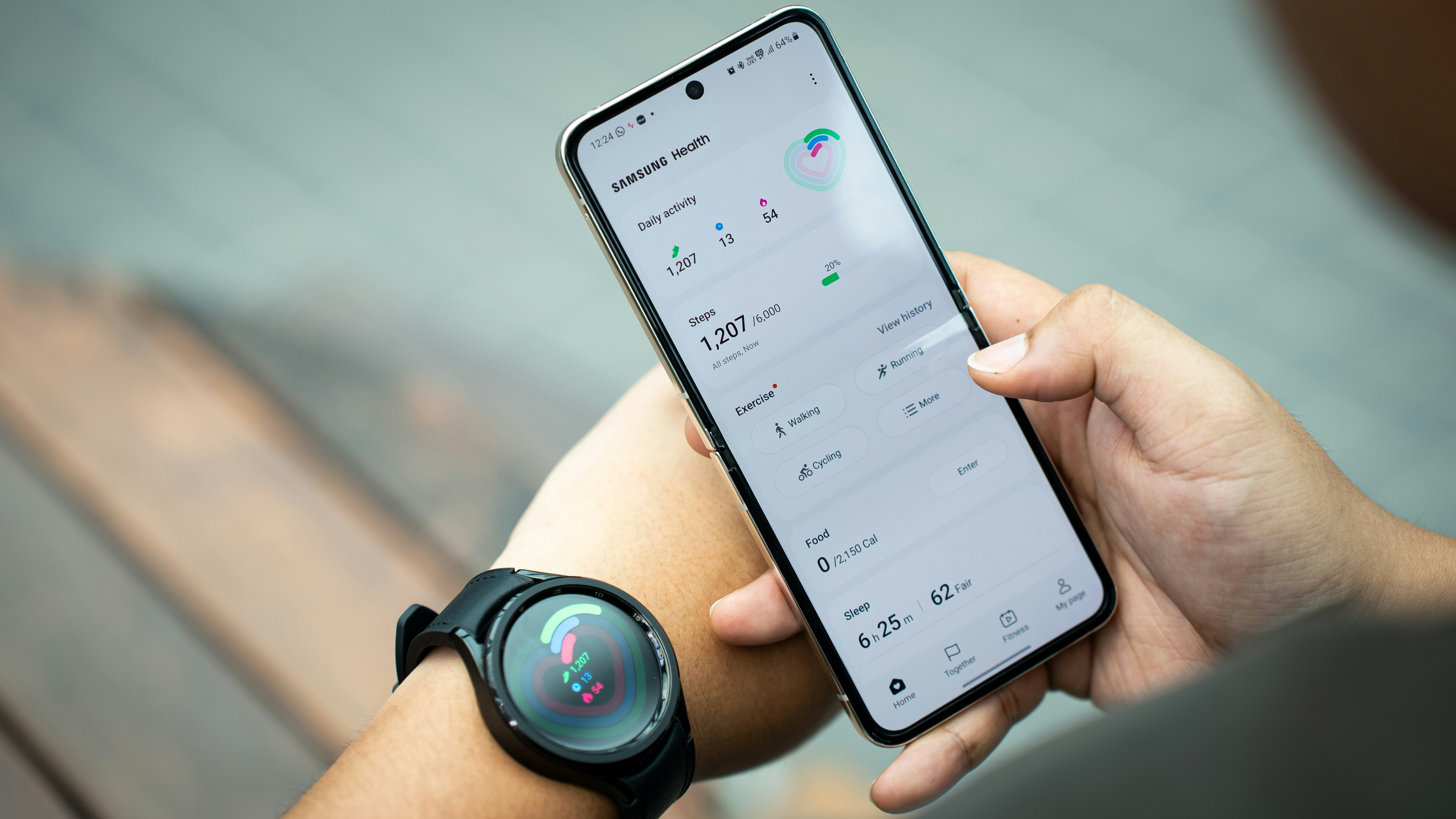
Introduction to Year-Round Fitness
Maintaining fitness throughout the year is essential for overall health and well-being. The concept of year-round fitness extends beyond seasonal trends and diets, encompassing a lifestyle that prioritizes regular physical activity and balanced nutrition. A consistent commitment to staying fit not only contributes to improved physical health but also enhances mental resilience and emotional stability.
The importance of regular exercise cannot be overstated. Engaging in moderate to vigorous physical activity for at least 150 minutes each week can significantly reduce the risk of chronic conditions such as obesity, diabetes, and cardiovascular diseases. Furthermore, consistent exercise boosts metabolic function and strengthens the immune system, providing an added layer of protection against illness. When combined with proper nutrition, these habits promote a balanced lifestyle that is crucial for optimal health.
Adopting healthy habits year-round ensures that individuals remain physically active and mentally engaged, which can lead to a higher quality of life. For instance, regular physical activity is associated with enhanced cognitive function, better mood regulation, and increased energy levels. This holistic approach fosters a sense of community and social interaction as well, as group exercises or fitness classes create opportunities to connect with others who share similar health goals.
Moreover, committing to fitness throughout the year can facilitate long-term sustainability in health. In contrast to cyclical approaches that often accompany New Year’s resolutions or summer body preparations, maintaining a consistent fitness regimen year-round encourages lasting behavioral changes. This gradual and persistent adoption of healthy habits positively impacts longevity and encourages a proactive attitude toward one’s health, ultimately enriching one’s life experience.
Habit 1: Setting Realistic Fitness Goals
Establishing realistic fitness goals is a foundational habit for individuals who achieve and maintain a fit lifestyle throughout the year. Such goals serve not only as motivational tools but also as benchmarks for measuring progress. The SMART criteria—specific, measurable, attainable, relevant, and time-bound—can be employed to create effective fitness objectives. This approach ensures that aspirations are clear, tangible, and realistically achievable, which can significantly enhance one’s commitment to fitness.
For example, rather than setting a vague objective such as “I want to get healthier,” a specific goal like “I will run 5 kilometers in under 30 minutes within three months” provides clarity and direction. This goal is measurable, allowing individuals to track their performance. Additionally, it is time-bound, creating a sense of urgency that encourages consistent training routines. Meanwhile, a related short-term goal could be to complete a 5-kilometer run without stopping, which helps in building the stamina necessary to ultimately reach the longer-term objective.
Long-term goals often pertain to one’s overall fitness journey. For instance, an individual might aim to lose 20 pounds over the course of six months. Breaking this down into smaller, manageable monthly targets—such as losing approximately 3 pounds each month—makes the larger goal less daunting and more realistically achievable. Therefore, individuals are more likely to stay engaged and motivated when they can celebrate small victories along the way. This method of goal-setting fosters a sense of accomplishment and reinforces the habit of maintaining a fit lifestyle. Ultimately, by focusing on setting realistic fitness goals, people can cultivate a sustainable approach to their health and well-being throughout the year.
Habit 2: Creating a Consistent Workout Schedule
Establishing a consistent workout schedule is a fundamental habit among individuals who maintain their fitness throughout the year. Consistency in exercise contributes directly to improved fitness results, as it fosters increased strength, endurance, and overall health. By adhering to a regular schedule, individuals can effectively track their progress and make necessary adjustments to optimize their routines.
When developing an effective workout routine, it is crucial to consider one’s personal lifestyle and obligations. Many people lead busy lives filled with work commitments, family responsibilities, and social engagements. Thus, an efficient workout schedule should incorporate flexibility to ensure it can be sustained in the long run. A good strategy is to allocate specific days and times for workouts, treating them as unmissable appointments on your calendar. This formal commitment can reinforce the importance of physical activity amidst daily distractions.
Another essential aspect of a consistent workout schedule is balancing different types of workouts. A well-rounded fitness program should include cardiovascular exercises, strength training, and flexibility workouts to engage all major muscle groups and facilitate overall well-being. For instance, individuals may prioritize cardiovascular activities such as running or cycling for three days each week, while reserving two days for strength training sessions focused on weightlifting or bodyweight exercises. Incorporating rest days is equally important to allow the body to recover and prevent injury.
Moreover, finding enjoyment in workouts enhances adherence to a routine. Whether through engaging in team sports, group classes, or solo workouts at home, individuals are more likely to remain consistent if they genuinely enjoy the chosen activities. By cultivating a workout schedule that accommodates personal preferences and diverse exercise modalities, individuals can fortify their commitment to a fit lifestyle that is sustainable throughout the year.
Habit 3: Prioritizing Nutrition
Nutrition plays a crucial role in the journey of staying fit throughout the year. Individuals who prioritize their nutritional intake often exhibit habits that contribute significantly to their overall health and fitness levels. One of the prominent habits of fit individuals is meal prepping. By dedicating time to prepare meals in advance, they ensure easy access to nutritious options during busy weekdays. This practice not only helps in controlling portion sizes but also reduces the likelihood of making impulsive food choices that may undermine fitness goals.
Choosing whole foods is another essential aspect of the nutrition habits practiced by those who maintain fitness. Whole foods, which are minimally processed and rich in nutrients, form the foundation of a balanced diet. These individuals tend to prioritize fresh fruits, vegetables, lean proteins, whole grains, and healthy fats over processed snacks, which are often high in refined sugars and unhealthy fats. The transition to whole foods not only nourishes the body but also supports long-term energy levels and optimal metabolic function.
Avoiding processed snacks is a common practice among those who embrace healthy eating habits. Instead, they often opt for wholesome alternatives such as nuts, yogurt, or homemade energy bars, which can provide satisfying nourishment without the downsides of artificial additives. This deliberate choice reinforces their commitment to nutrition and supports their body’s recovery processes, particularly after workouts. Proper nutrition aids in muscle repair, diminishes fatigue, and promotes overall well-being.
By implementing these nutritional habits, individuals can establish a strong foundation for maintaining fitness all year long. Ultimately, prioritizing nutrition empowers them to sustain their energy levels and perform at their best, ensuring that fitness remains a lifelong pursuit.
Incorporating Strength Training
Strength training plays a crucial role in maintaining overall fitness and health. This form of exercise involves the use of resistance to promote muscular fitness, providing numerous benefits that contribute to long-term well-being. By incorporating strength workouts into their regular routines, individuals can experience an array of advantages, including increased metabolism and enhanced bone health.
The key benefit of strength training is its impact on metabolism. Engaging in resistance exercises helps to build lean muscle mass, which in turn elevates the body’s resting metabolic rate. This means that even at rest, individuals who regularly perform strength exercises burn more calories compared to those who do not. Consequently, adopting this habit can assist in weight management, as it enables individuals to more effectively regulate their body composition.
Beyond metabolic advantages, strength training significantly contributes to bone health. Resistance exercises create stress on the skeletal system, which stimulates bone remodeling and increases bone density. As individuals age, the risk of osteoporosis and other bone-related ailments rises; thus, consistently engaging in strength workouts can help mitigate these risks, ensuring better bone health and physical stability as one grows older.
Moreover, strength training fosters improved functional fitness. It enhances the ability to perform daily tasks with ease, leading to a more active and independent lifestyle. Incorporating a variety of exercises that target different muscle groups aids in achieving a balanced workout routine, which can prevent injuries and promote overall fitness. Furthermore, strength training can be adapted to suit any individual’s fitness level, making it accessible to all.
Incorporating strength training into one’s fitness regimen is essential for maintaining a healthy lifestyle. The long-term benefits of this habit not only promote physical health but also boost self-confidence and mental well-being. By prioritizing resistance exercises, individuals can enjoy a more fulfilling and fit life throughout the year.
Habit 5: Staying Hydrated
Hydration is a vital component of maintaining overall health and contributing to fitness. Adequate water intake is essential for various bodily functions and plays a significant role in optimizing physical performance. For individuals who prioritize staying fit throughout the year, drinking enough water daily is a foundational habit. This commitment to hydration enhances energy levels, improves concentration, and aids in recovery post-exercise.
It is recommended that adults consume about eight 8-ounce glasses of water each day, a guideline often referred to as the “8×8 rule.” However, the actual water needs can vary based on factors such as age, weight, activity level, and environmental conditions. Fit individuals often increase their water intake before, during, and after workouts to replenish fluids lost through sweat. Staying adequately hydrated helps maintain core temperature and lubricates joints, enhancing overall performance.
To ensure hydration becomes a habitual part of daily life, individuals can adopt several practical strategies. Firstly, carrying a reusable water bottle throughout the day serves as a constant reminder to drink water. Setting reminders on mobile devices or utilizing hydration-tracking apps can provide motivation and ensure consistent intake. Incorporating foods with high water content, such as fruits and vegetables, into meals is another effective approach to boosting hydration. Options like watermelon, cucumbers, and oranges not only contribute to fluid intake but also provide essential nutrients.
Additionally, it is beneficial to drink water before meals and during workouts, as this can enhance digestion and improve performance. By fostering a culture of hydration and making a conscious effort to prioritize water intake, individuals can significantly enhance their fitness levels and overall well-being. Developing a routine that incorporates these hydration practices is crucial for anyone striving to stay fit throughout the year.
Habit 6: Active Lifestyle Choices
To maintain fitness throughout the year, individuals often incorporate active lifestyle choices that extend beyond structured workout routines. Engaging in physical activities during daily routines not only supports cardiovascular health but also contributes to overall well-being.
For many, walking or biking serves as a practical means of transportation. Instead of driving for short distances, individuals can opt to walk or ride a bicycle, effectively integrating exercise into their daily commutes. This not only reduces reliance on vehicles but also fosters an environmentally friendly mindset. The cumulative effects of these choices can significantly enhance physical fitness over time.
Another common habit is taking the stairs instead of using elevators or escalators. This simple adjustment can lead to notable improvements in muscle strength, particularly in the lower body, and boosts cardiovascular endurance. Making a conscious decision to elevate daily activity levels, even in small ways, plays a crucial role in maintaining fitness and preventing sedentary behavior.
Additionally, engaging in physical activity during leisure time is essential for fostering an active lifestyle. Instead of viewing relaxation as an opportunity to be sedentary, individuals can explore options such as hiking, playing sports, or joining group exercise classes. These leisure activities not only improve fitness but also enhance social connections and mental health.
In summary, the habit of making active lifestyle choices can transform everyday activities into opportunities for fitness enhancement. Each small decision, whether it’s walking instead of driving or embracing stairs, contributes to a healthier, more active lifestyle. By embracing these choices, individuals can enjoy significant fitness benefits and maintain their physical health throughout the year.
Habit 7: Rest and Recovery
Maintaining fitness throughout the year requires more than just consistent exercise and a balanced diet; it also hinges significantly on the principles of rest and recovery. Successful individuals recognize that incorporating rest days into their fitness regimen is crucial for allowing the body to repair and rejuvenate. These rest days provide the muscles an opportunity to heal, preventing injuries that can arise from overtraining. An effective fitness routine strikes a balance between activity and periods of rest, ensuring long-term sustainability.
Another essential aspect of recovery is adequate sleep. Quality sleep is integral to the muscle recovery process, as it is during sleep that the body undergoes various repair processes. Individuals dedicated to their fitness often establish routines that prioritize sleep hygiene; they aim for 7-9 hours of restful sleep per night, allowing their bodies to perform optimally during workouts. This commitment to rest not only enhances physical recovery but also improves mental clarity and focus, essential factors in staying motivated.
Listening to one’s body is a fundamental yet often overlooked component of a successful fitness plan. Individuals who have shaped successful long-term fitness habits pay attention to physical cues and adjust their training intensity and frequency accordingly. They practice self-awareness, understanding when to push through a tough workout or when to take a step back to recover. Techniques such as stretching and foam rolling become valuable tools in their arsenal, helping alleviate muscle tension and improve flexibility, ensuring that their bodies are ready for subsequent workouts.
Incorporating rest and recovery into fitness routines empowers individuals to maintain their health and well-being effectively, enabling them to pursue their fitness goals throughout the year without the setbacks of injury or burnout.
Habit 8: Finding a Support System
Establishing a strong support system is integral for individuals aiming to maintain fitness throughout the year. Engaging in fitness-related activities with others creates an environment filled with encouragement and motivation. A support system can significantly enhance one’s accountability, which is crucial for reaching fitness goals. This can manifest in various forms, from joining fitness classes to partnering with workout buddies, or even participating in community challenges.
Fitness classes offer an organized setting where individuals can learn new exercises, socialize, and remain committed to their fitness journey. The group dynamic can serve as a powerful motivating factor, as participants often encourage one another to complete workouts and strive for personal bests. In these environments, it is common to witness individuals pushing their limits, inspired by the collective energy of the group.
Another effective method is partnering with workout buddies. This practice fosters a sense of responsibility; when someone else is counting on you to show up for a workout, it increases the likelihood of attendance and effort. Working out with a buddy provides opportunities for mutual encouragement, ensuring both parties remain committed to their fitness regimen. This approach not only makes the process more enjoyable but also adds a layer of accountability that may be absent when exercising alone.
Community challenges, such as neighborhood runs or fitness competitions, also play a significant role in building support systems. These events foster a sense of camaraderie among participants, encouraging individuals to push themselves harder and stay on track with their fitness plans. The shared experience of training for a common goal binds individuals together and creates a network of support that extends beyond the challenge itself.
In summary, the importance of a support system in the journey to stay fit cannot be overstated. Whether through classes, partnerships, or community involvement, having a network of support enhances motivation and engagement, making the pursuit of fitness more enjoyable and sustainable.
Habit 9: Continuously Educating Oneself
A crucial habit that distinguishes individuals who maintain their fitness levels year-round is the practice of continuous education regarding fitness and health. The realm of wellness is dynamic, with new workout trends, nutritional advice, and innovative wellness strategies emerging regularly. Staying informed about these developments is key to optimizing one’s fitness journey.
Educating oneself not only enhances knowledge but also empowers individuals to make informed decisions about their health and fitness routines. The rise of technology has provided individuals with more resources than ever to learn about effective workout techniques, dietary guidelines, and holistic health approaches. Subscribing to reputable health magazines, following expert blogs, and listening to podcasts can serve as beneficial tools for enhancing one’s understanding of fitness concepts. The internet offers a plethora of online courses and webinars that allow individuals to delve deeper into specific areas of interest, such as strength training or nutrition science.
Incorporating education into one’s fitness journey can take various forms. Attending workshops or fitness classes led by knowledgeable instructors not only provides hands-on experience but also fosters community engagement. Engaging with a community of like-minded individuals can further contribute to a deeper understanding of effective habits and practices that can be adopted for better results. Additionally, participating in social media discussions or forums focusing on health and fitness can provide valuable insights from diverse perspectives.
Ultimately, staying informed about the latest trends in fitness and health equips individuals with the tools necessary for continuous improvement. It allows them to adapt their workout strategies and nutritional plans as new information emerges, enabling a holistic approach to well-being that sustains them over the long term. Prioritizing personal growth through knowledge is an essential discipline for those committed to maintaining their fitness throughout the year.