
Introduction to Fat Burning
Fat burning is a crucial component of health and fitness, playing a significant role in weight management and overall well-being. The process involves metabolites utilizing stored fat as an energy source, which can contribute to effective weight loss if managed properly. Understanding the concept of fat burning is essential for anyone looking to enhance their physical fitness or improve their body composition.
Engaging in regular exercise is fundamental to promoting fat loss, and various forms of physical activity can impact fat-burning potential differently. Two prevalent exercise modalities often discussed in the context of fat burning are High-Intensity Interval Training (HIIT) and Low-Intensity Steady State (LISS) workouts. While both forms of exercise are effective, they employ distinct mechanisms and timing for fat utilization.
HIIT involves alternating short bursts of intense activity with periods of rest or low-intensity movement. This training method is designed to elevate heart rates significantly and can burn calories efficiently in a shorter time frame. Furthermore, the afterburn effect, or excess post-exercise oxygen consumption (EPOC), can lead to continued fat burning even after the workout has concluded. This characteristic makes HIIT a popular choice among individuals seeking intense workouts that promise efficient fat loss.
On the other hand, LISS emphasizes maintaining a lower, more consistent intensity over a longer duration. Activities such as walking, jogging, or cycling at a steady pace primarily use fat as a fuel source during the session. LISS is particularly accessible for beginners or those recovering from injury due to its lower strain on the body.
Both HIIT and LISS have their unique benefits concerning fat burning, and understanding how each modality contributes to fat loss can help individuals make informed decisions based on their personal fitness goals and preferences.
Understanding HIIT (High-Intensity Interval Training)
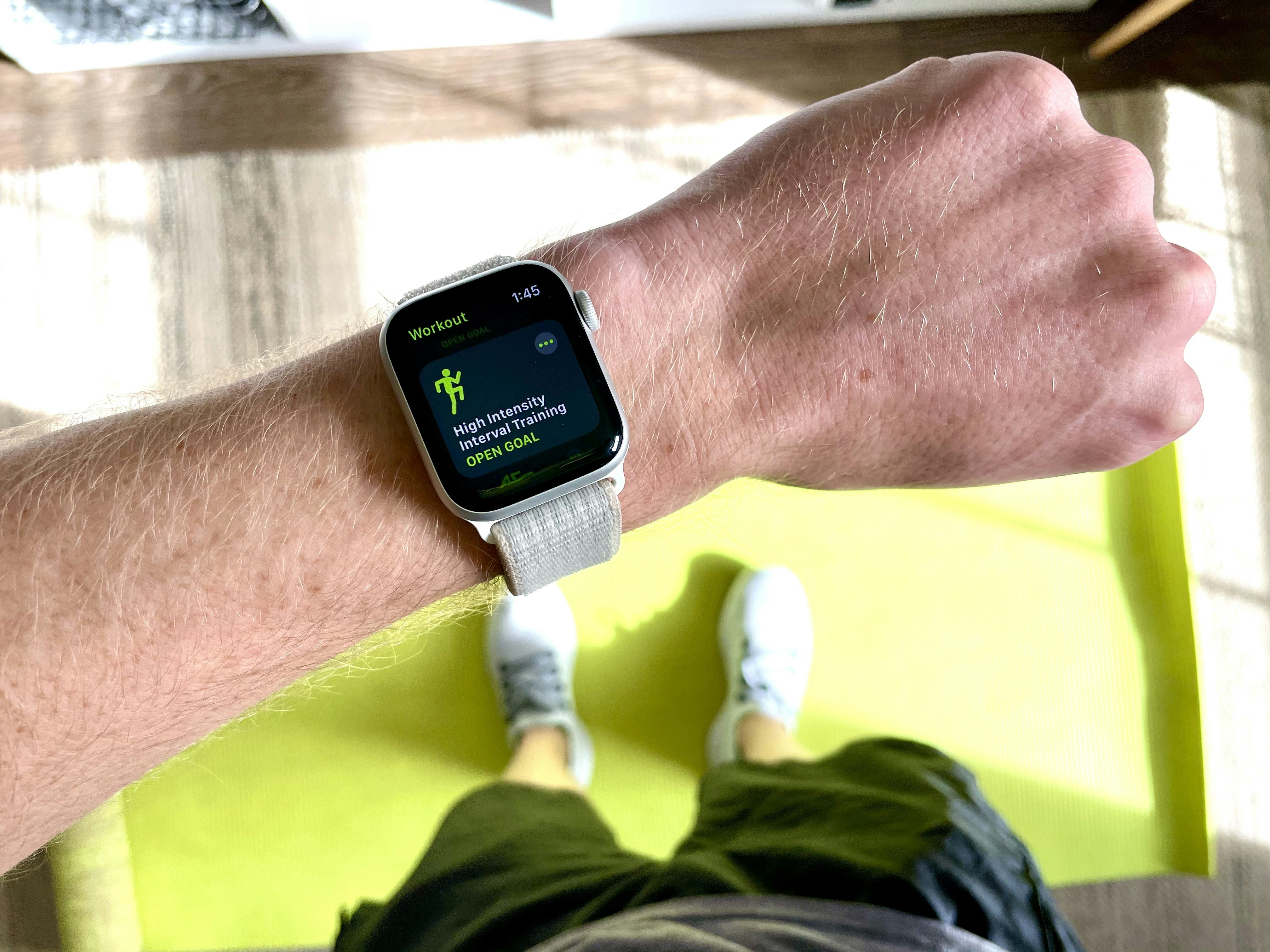
High-Intensity Interval Training (HIIT) is a workout methodology characterized by short bursts of intense exercise followed by brief recovery periods. This training format alternates between periods of high-effort activity, which typically lasts from 20 seconds to several minutes, and active recovery or rest intervals, enabling participants to push their limits. The foundational principle of HIIT revolves around maximizing effort in a limited timeframe, making it an efficient way to engage in physical activity.
One distinct feature of HIIT is its versatility; it can be applied to various types of exercise, including running, cycling, and bodyweight workouts. A typical HIIT workout may start with a warm-up phase followed by several cycles of high-intensity exercises such as burpees or sprints, interspersed with rest periods. This structure not only keeps the workout challenging but also allows for a greater range of exercise modalities, catering to different fitness levels and preferences.
The benefits of HIIT extend beyond mere fat loss. One of the appealing advantages of HIIT is the post-exercise oxygen consumption (EPOC) effect, which results in increased calorie burn even after the workout has concluded. This phenomenon occurs as the body requires additional energy to return to its resting state, effectively enhancing the metabolism. Furthermore, HIIT has been shown to improve cardiovascular health by strengthening the heart and increasing blood circulation, which contributes to overall fitness and well-being.
Additionally, HIIT promotes muscular endurance and strength gains, enhancing performance in various physical activities. The engaging nature of HIIT workouts often leads to higher compliance and motivation among participants, making it a sustainable option for long-term fitness. Overall, the dynamics and efficacy of HIIT illustrate its growing popularity within the fitness community as a time-efficient and impactful training method.
Understanding LISS (Low-Intensity Steady State)
Low-Intensity Steady State (LISS) refers to a type of cardiovascular exercise performed at a relatively gentle, steady pace over an extended duration. Typically, LISS workouts maintain a heart rate within 50–65% of an individual’s maximum heart rate. Examples of LISS activities include brisk walking, leisurely cycling, or light swimming. The distinguishing characteristic of LISS is its focus on maintaining a moderate intensity that allows individuals to sustain physical activity for a longer period, ranging from 30 minutes to several hours.
One of the main benefits of LISS is its accessibility; individuals of varying fitness levels can engage in these workouts without the risk of injury often associated with high-intensity exercises. This makes LISS an excellent option for beginners, older adults, or anyone recovering from an injury who may not yet be ready for more strenuous training methods. Consequently, many fitness enthusiasts integrate LISS into their routines as a foundational aerobic activity.
Another notable advantage of LISS is its positive impact on fat oxidation. When engaging in low-intensity exercise, the body preferentially utilizes fat as a fuel source, which can be beneficial for those aiming to lose weight or enhance body composition. Additionally, LISS can effectively improve cardiovascular endurance and contribute to overall aerobic fitness without inducing excessive fatigue, which can be a considerable factor for consistent training adherence.
In specific scenarios, LISS may be more appropriate than High-Intensity Interval Training (HIIT), especially on recovery days or for warm-up sessions prior to more intense workouts. By incorporating LISS, individuals can promote recovery while still benefitting from physical activity. Overall, its sustainable nature and fat-burning potential make LISS a valuable component in diverse fitness regimens.
Comparing Caloric Burn: HIIT vs. LISS
High-Intensity Interval Training (HIIT) and Low-Intensity Steady State (LISS) cardio are two popular workout modalities recognized for their effectiveness in burning calories and promoting fat loss. Numerous studies have sought to quantify the caloric expenditure associated with each training style, illuminating their distinctive characteristics.
HIIT workouts typically involve short bursts of intense exercise followed by brief recovery periods. According to research, participants engaging in HIIT can burn significantly more calories in a shorter time frame compared to LISS. A study published in the Journal of Sports Medicine indicated that subjects performing a 30-minute HIIT session burned approximately 25–30% more calories than those engaging in an equivalent duration of LISS. Additionally, HIIT is associated with a phenomenon known as Excess Post-Exercise Oxygen Consumption (EPOC), which leads to continued caloric burn post-exercise. EPOC can elevate daily caloric expenditure by as much as 15% for hours or even days after a HIIT workout, a benefit that is considerably less pronounced with LISS.
In contrast, LISS involves moderate intensity exercise conducted for a longer duration, typically 30 to 60 minutes. While the calorie burn during LISS is steady, it tends to be lower than that of HIIT for the same time frame. A study in the American Journal of Physiology suggested that individuals engaged in LISS burned calories at a consistent rate without the spikes associated with EPOC. Though LISS can effectively assist in fat loss, especially for beginners or those seeking lower-impact options, the total calorie expenditure remains less potent than HIIT in terms of overall energy burned.
Ultimately, both training modalities have their merits and can be strategically incorporated into a fitness regimen based on individual goals, preferences, and physical capabilities. The unique capacity of HIIT to facilitate a higher caloric burn in a shorter timeframe, paired with its post-exercise benefits, may render it a more efficient choice for some. On the other hand, LISS can serve as a sustainable and accessible option for those who mount challenges with high-intensity workouts.
The Role of Duration and Intensity
Understanding the impact of workout duration and intensity on fat burning is crucial for those pursuing effective weight loss strategies. High-Intensity Interval Training (HIIT) and Low-Intensity Steady State (LISS) workouts present different approaches, each with its unique benefits related to fat burning and overall energy expenditure.
HIIT workouts consist of short bursts of intense activity followed by rest or low-intensity periods. This method elevates the heart rate significantly during exercises, leading to greater calorie consumption in a shorter time frame. As a result, participants may experience an afterburn effect, known scientifically as excess post-exercise oxygen consumption (EPOC). This phenomenon allows the body to continue burning calories even after the workout is completed. However, because HIIT sessions are typically shorter—ranging from 15 to 30 minutes—they may not provide the same total caloric expenditure as longer workouts.
On the other hand, LISS workouts involve sustained, moderate-paced activities over a more extended duration, often lasting 30 to 60 minutes or more. While the calorie burn per minute may be lower with LISS compared to HIIT, the extended length opens up the potential for significant total energy expenditure. This steady, prolonged effort can effectively enhance fat oxidation, making it an excellent option for those who prefer longer exercise sessions. Individuals can maintain LISS activities for more extended periods without the exhaustion that can arise from higher intensity levels.
Ultimately, the decision between HIIT and LISS should take into account personal fitness levels, preferences, and specific weight loss goals. By balancing duration and intensity, individuals can create a well-rounded exercise regimen that maximizes fat burning and supports overall fitness.
Fat Loss and Metabolism: Hormonal Effects
Understanding how different exercise modalities influence fat loss requires an examination of their impact on metabolism and hormonal responses. Both High-Intensity Interval Training (HIIT) and Low-Intensity Steady State (LISS) exercise have unique effects on hormones that play critical roles in fat metabolism. One of the primary hormones affected by exercise is insulin. HIIT has been shown to improve insulin sensitivity significantly, which is vital for effective glucose metabolism. Enhanced insulin sensitivity allows the body to manage blood sugar levels more effectively, potentially increasing the body’s ability to use fat as a fuel source over time.
Conversely, LISS also contributes to improved insulin sensitivity but does so at a slower rate. This means that while LISS can facilitate fat loss, particularly for those new to exercise, its effects on insulin may not be as pronounced in the short term compared to HIIT. However, the gradual nature of LISS allows it to be a sustainable option for long-term weight management and metabolic health.
Cortisol, often referred to as the stress hormone, is another critical player in fat loss and metabolism. HIIT is associated with elevated cortisol levels during and immediately after workouts. While this elevation can be beneficial in the short term for fat mobilization, chronic high levels of cortisol can lead to increased fat storage, particularly around the abdomen. On the other hand, LISS generates a more moderate hormonal response, which may help minimize cortisol spikes, providing a more stable metabolic environment conducive to fat loss.
Additionally, engaging in HIIT can stimulate other hormones such as growth hormone, which promotes fat breakdown and muscle preservation. The hormonal response generated from both HIIT and LISS varies and plays a significant role in their efficiency for fat loss. Understanding these hormonal nuances can therefore help individuals choose an exercise modality that aligns with their fat loss goals while promoting overall metabolic health.
Considerations for Every Fitness Level
Choosing between High-Intensity Interval Training (HIIT) and Low-Intensity Steady State (LISS) exercise often hinges on individual fitness levels, personal preferences, and specific health goals. It is crucial for individuals, regardless of their current fitness status, to consider these factors to optimize their workout routines and achieve desired outcomes safely.
For beginners, LISS may be an egregiously more accessible option. This form of exercise requires less physical exertion and is typically easier on the joints, making it a safer choice for those who may be new to exercising or have existing health issues. Activities such as brisk walking, cycling at a gentle pace, or swimming can provide cardiovascular benefits without overwhelming the body. On the other hand, individuals who are more experienced and looking for efficient fat burning and time savings might find HIIT to be better suited for their needs. The high intensity of this form can yield substantial results in a shorter period; however, it is essential for those new to HIIT to progress cautiously to minimize the risk of injury.
Safety is paramount for people engaging in any form of exercise. Individuals with certain health conditions or physical limitations must consult medical professionals before starting either HIIT or LISS. Modification options are widely available for both training styles. For instance, HIIT can be adapted to include lower-impact exercises or longer rest intervals, while LISS can incorporate diverse activities at varying intensities, allowing individuals to tailor their routines.
Ultimately, the decision to pursue HIIT or LISS should align with personal fitness goals, enjoyment of activity, and overall capacity for physical effort. By not only recognizing individual limitations but also being aware of varying intensity levels, individuals can successfully navigate their fitness journeys and find the most effective fat-burning strategies.
Integrating HIIT and LISS into Your Routine
Incorporating both High-Intensity Interval Training (HIIT) and Low-Intensity Steady State (LISS) cardio into your workout routine can enhance fat-burning while providing variations that keep your regimen engaging. A balanced approach can ensure you efficiently utilize the benefits of both styles without risking burnout or overtraining.
To effectively integrate HIIT and LISS, consider establishing a weekly schedule that allocates specific days for each training style. For instance, you might opt for three days of HIIT, focusing on shorter workout durations that intensively elevate your heart rate, paired with two to three days dedicated to LISS sessions. LISS can serve as a longer, more leisurely form of exercise, such as brisk walking or cycling at a steady pace, allowing for recovery while still maintaining activity levels.
Alternating between these two cardio styles is a strategic way to maximize fat loss and cardiovascular improvements. For instance, after an intense HIIT session, your muscles may require a more gentle recovery day, making LISS an ideal choice. This approach not only aids in recovery but also allows the body to continue burning calories at a lower intensity. Pay attention to how your body responds; if you feel fatigued, adjust the frequency of your workouts to prevent overtraining.
Additionally, to avoid burnout, it’s essential to listen to your body and incorporate rest days into your routine. Scheduled recovery periods are just as critical as the workouts themselves, allowing your muscles time to repair and adapt. Consider engaging in activities you enjoy, such as yoga or leisurely walks, on these rest days to maintain motivation while promoting recovery.
By thoughtfully scheduling HIIT and LISS workouts and allowing adequate recovery, you can create a common ground where both training styles coexist, promoting a healthier, more sustainable fitness journey.
Conclusion: Which is Best for Fat Loss?
When evaluating the efficacy of High-Intensity Interval Training (HIIT) versus Low-Intensity Steady State (LISS) cardio in the context of fat loss, it is crucial to acknowledge that both approaches possess unique advantages that can cater to individual preferences and fitness levels. HIIT is characterized by short bursts of intense effort followed by periods of rest or lower intensity, which can enhance calorie burning and improve metabolic rate, thus potentially leading to greater fat loss in a shorter duration. On the other hand, LISS involves longer sessions performed at a consistent, moderate pace, making it an accessible option for those who may be new to exercise or have certain physical limitations.
Research indicates that both methods can contribute to significant fat loss when implemented consistently within an individual’s exercise regimen. The choice largely depends on personal preferences, as enjoyment plays a pivotal role in adherence to a routine. Individuals who thrive on variety and challenge may find HIIT more engaging, which could lead to a more sustained exercise habit. Conversely, those who prefer a less intense approach might gravitate towards LISS, benefiting from its lower risk of injury and ease of integration into daily activities.
Ultimately, the best strategy for fat loss is one that combines aspects of both HIIT and LISS, thereby allowing individuals to experience the distinct benefits each method offers. Incorporating elements of both types of exercise can not only maximize calorie expenditure but also promote overall physical fitness and mental well-being. Adherence to a personalized program that includes components of enjoyment, feasibility, and progression remains paramount in achieving long-term fat loss goals.