

Understanding Your Foot Type
Choosing the right sports shoes begins with understanding your foot type, as each individual has unique characteristics that can greatly influence comfort and performance. The main categories of foot shapes include flat feet, neutral arches, and high arches, each requiring different levels of support in sports footwear.
Flat feet, also known as fallen arches, occur when the arches of the foot do not rise significantly from the ground. Individuals with this foot type often experience overpronation, where the foot rolls inward excessively during activities. Therefore, it is crucial for those with flat feet to select shoes that offer ample arch support and stability. Look for shoes specifically designed for motion control, as they help to prevent excessive rolling and provide a more stable running experience.
Neutral arches, which are considered the most ideal foot type, have an arch that maintains a natural curve. Those with neutral arches tend to have a balanced gait and generally do not require specialized footwear, though they can benefit from cushioning to improve comfort during workouts. Runners and athletes with neutral arches should focus on shoes that provide flexibility and lightweight construction while ensuring adequate cushioning to absorb impact forces.
High arches, on the other hand, often lead to underpronation, where the foot does not roll inwards enough. This foot type places additional stress on the legs during physical activities, resulting in discomfort or injury. Individuals with high arches should opt for shoes that offer enhanced cushioning and shock absorption. Look for styles that incorporate softer materials and provide adequate support to the heel and midfoot.
Identifying your foot type accurately is vital for selecting the right sports shoes. A proper fitting can prevent injuries and enhance overall performance during workouts.
Identifying Your Workout Needs
When it comes to selecting the ideal sports shoes for your workout regimen, understanding your specific activities is essential. Different types of workouts impose varying demands on your footwear, necessitating features tailored to those requirements. For instance, running shoes are designed primarily for providing ample cushioning and shock absorption to protect the joints during repetitiveimpact. This level of comfort is critical since running often involves long distances on hard surfaces. Thus, if your workout routine revolves around running, selecting a shoe with adequate cushioning and breathable materials can significantly enhance performance and reduce the risk of injury.
Alternatively, cross-training involves a myriad of movements, including lateral movements, jumping, and quick direction changes. A cross-training shoe is typically designed to offer versatility, incorporating supportive features to accommodate diverse types of workouts. These shoes often provide a balanced combination of stability, cushioning, and traction, ensuring that you remain agile and supported no matter the exercise. Choosing the right footwear for cross-training can increase efficiency during workouts, thus helping you achieve your fitness goals more effectively.
Weightlifting, on the other hand, requires a different set of shoe features. Stability is paramount, as weightlifters need a solid base to execute lifts effectively. Shoes specifically designed for weightlifting often have a minimal amount of cushioning and a flat sole, allowing for direct contact with the ground. This design promotes better body alignment and power transfer during lifts, which is crucial for success in this discipline. An informed choice in footwear can enhance performance, facilitate proper technique, and ultimately lead to improved strength gains.
In short, understanding the specific demands of your workout regime is fundamental for selecting the appropriate footwear. By assessing whether you primarily run, engage in cross-training, or lift weights, you can make a more informed decision in choosing sports shoes that will cater to your unique exercise needs.
Understanding Shoe Technology and Features
Choosing the right sports shoes for your workout requires a comprehensive understanding of various technologies and features that enhance performance and comfort. One of the primary aspects to consider is the cushioning system. Advanced cushioning technologies are designed to absorb impact and optimize energy return, which is particularly important for high-impact activities such as running or jumping. Popular cushioning systems include air, gel, and foam options, each providing unique benefits tailored to different workout styles.
Another vital characteristic is breathability. Sports shoes with breathable materials, such as mesh uppers, allow air circulation, helping to keep your feet cool and dry during workouts. This feature is essential in preventing overheating, which can lead to discomfort and adversely affect performance. Additionally, materials engineered for moisture-wicking can also improve overall foot hygiene, reducing the risk of blisters and other foot-related issues.
The weight of sports shoes plays a critical role in a workout. Lightweight shoes can enhance agility and speed, making them ideal for activities such as racing or court sports. Conversely, a slightly heavier shoe may offer increased durability and support, which can be beneficial for weight training or cross-training sessions. It is imperative to find a balance between weight and support based on individual activity needs.
Finally, the durability of sports shoes should not be overlooked. High-quality materials and construction techniques help ensure that footwear withstands the rigors of frequent use. Look for reinforced stitching and quality rubber outsoles that provide traction and stability on various surfaces. In summary, understanding these technologies and features can significantly influence your decision when selecting the ideal sports shoes for your specific workout, ensuring that you prioritize both performance and comfort.
Trying Shoes On: The Right Fit
Finding the right fit for sports shoes is crucial to ensuring comfort and preventing injuries during workouts. One of the most important considerations is the thumb rule for space. When trying on shoes, ensure there is about a thumb’s width of space between your longest toe and the end of the shoe. This additional space allows for natural foot expansion during movement and helps avoid discomfort or potential jam when exercising.
Another essential factor to assess is the heel fit. Proper heel fit means that when you walk or jog, your heel should not lift out of the shoe. A snug fit at the heel helps maintain stability and control, which is particularly vital for sports that involve lateral movements. Additionally, checking the width of the shoe is equally important. Your foot should feel comfortable without being overly tight or pinching, as this can restrict blood flow and lead to blisters or calluses.
It is advisable to try on shoes at the end of the day, as this is when feet are often slightly swollen. Purchasing shoes during this time can provide a more accurate representation of how they will feel during workouts. Stand, walk, and even jog in the shoes to assess their comfort and performance. Making sure to wear the same type of socks that you plan to use during exercise can provide further insight into the fit and feel of the shoes. Remember that each shoe brand and model can fit differently, so do not hesitate to explore multiple options to discover the perfect match for your workout needs.
Evaluating Cushioning and Support
Cushioning and support are critical components to consider when selecting sports shoes, as they significantly influence comfort, performance, and injury prevention. Different types of cushioning are available, each offering unique benefits tailored to various activities. For example, gel cushioning is known for its exceptional ability to absorb impact, making it ideal for high-impact sports like running or jumping. On the other hand, foam cushioning tends to offer a balance of comfort and responsiveness, which can be particularly beneficial for weightlifting or circuit training.
When evaluating cushioning options, it is essential to recognize that preferences can vary widely among individuals. Some may prefer a softer ride that allows for greater shock absorption, while others might favor a firmer feel that enhances stability and responsiveness. To achieve the best fit, one should take into account their body weight, running style, and the intensity of the workouts they plan to engage in. For instance, heavier individuals may require more substantial cushioning to adequately support their gait, while lighter athletes might opt for minimal cushioning to enable quicker movements.
Support is another vital factor that must be evaluated. The level of support needed can depend on an individual’s arch type and the specific activities they partake in. For instance, those with flat feet may benefit from shoes with additional arch support and stability features, while high-arched individuals might prefer footwear designed for cushioning and flexibility. To determine the right level of support, it is advantageous to undergo a foot assessment, which can guide the selection process according to personal biomechanics and the demands of the sporting activities involved.
The Role of Traction in Sports Shoes
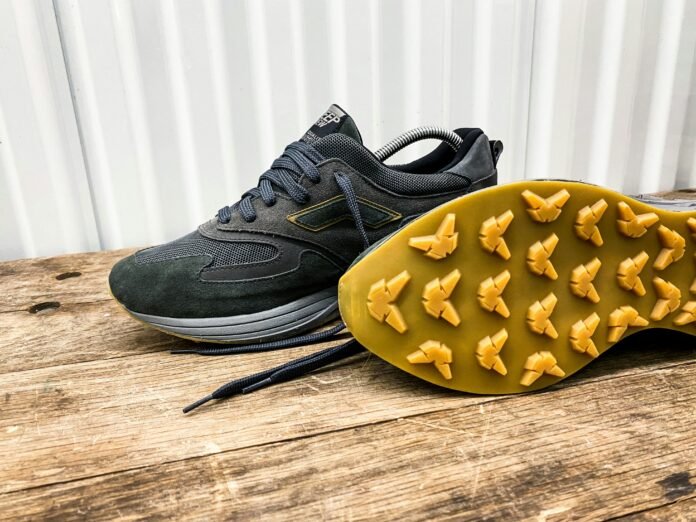
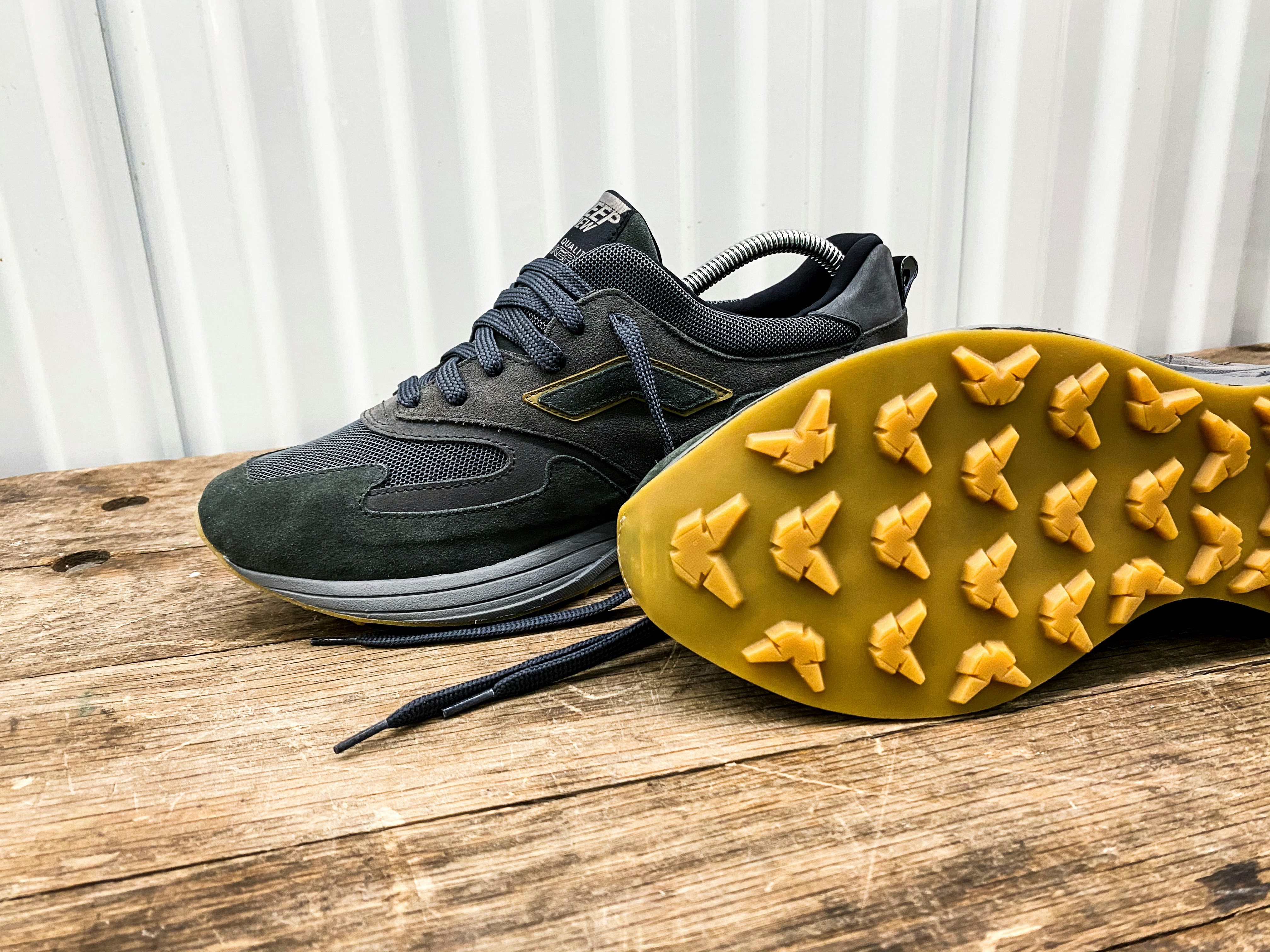
Traction is a critical feature in sports shoes, directly impacting an athlete’s performance, safety, and comfort during workouts. It primarily refers to the shoe’s grip on the ground, which is influenced by the design and material of the outsole. Different activities demand specific traction characteristics, making it essential to select shoes that cater to the environment in which they will be used. For example, running shoes designed for outdoor tracks typically incorporate deeper lugs or ridges in the outsole, which enhance grip on varied terrains. This design allows for better acceleration and stability, reducing the risk of slipping or falling.
Conversely, shoes intended for gym workouts often have flatter outsoles made from rubber compounds specifically engineered to maximize grip on smooth surfaces. The absence of aggressive lugs in these outsoles promotes a stable base for weightlifting and cross-training exercises. It is advisable to consider the nature of the floor surface when choosing these types of shoes; for instance, a shoe that performs well on a rubber gym floor may not translate the same in outdoor conditions where traction may be compromised by elements such as moisture or loose gravel.
Additionally, the choice of materials used in the outsole can influence the overall effectiveness of traction. Shoes with high-abrasion rubber are renowned for their durability and grip, providing athletes with the necessary support for various workouts. For those engaging in activities that involve sharp lateral movements, such as basketball or tennis, selecting shoes that ensure multidirectional traction is vital to improve performance and prevent injuries. Thus, understanding the role of traction in sports shoes and aligning it with your workout needs is crucial for maximizing both safety and performance.
Shoe Material Considerations
When selecting the right sports shoes for your workout, a critical aspect to consider is the materials used in their construction. The choice of materials significantly influences the performance, comfort, and lifespan of the footwear. Key components commonly found in sports shoes include mesh, synthetic fabrics, and rubber, each offering unique benefits and drawbacks.
Mesh is a popular material in many athletic shoes due to its excellent breathability. It promotes airflow, ensuring that feet remain cool and dry during vigorous activity. This feature is particularly beneficial in warmer climates or during intense workout sessions. However, while mesh provides comfort and ventilation, it may not always offer the same level of durability compared to other materials, leading to potential wear and tear over time.
Synthetic fabrics present another viable option for sports shoes, typically known for their resilience and flexibility. These materials can mimic the properties of leather while often being lighter. Synthetic fabrics can withstand a variety of environmental conditions, thereby enhancing the shoe’s overall durability. However, they may not provide as much breathability as mesh, which can lead to warmth accumulation inside the shoe during prolonged use.
Rubber is a fundamental material used primarily in the outsoles of athletic shoes. It excels in terms of traction and durability, providing a reliable grip on various surfaces. The elasticity of rubber also contributes to cushioning, which helps absorb impact during high-intensity workouts. Nonetheless, the type and quality of rubber can impact its performance; some rubber compounds may wear down more quickly, influencing how long the shoe remains effective.
Choosing the right material based on individual workout needs will significantly enhance overall performance. By evaluating the strengths and weaknesses of each material, consumers can make informed decisions that best suit their athletic pursuits.
Budgeting for High-Quality Sports Shoes
When it comes to purchasing sports shoes, understanding the economic aspects is crucial for any consumer. High-quality sports shoes often come with a higher price tag, but these costs can be justified by considering the benefits they provide. Investing in durable and well-constructed shoes can not only enhance performance but also help prevent injuries. Therefore, when budgeting for sports shoes, it is essential to strike a balance between quality and affordability.
Several factors influence the price of sports shoes. Firstly, the brand reputation significantly impacts the cost; renowned brands tend to charge more due to their established name and proven product quality. Secondly, the materials used in the shoe construction play a vital role in pricing. Shoes made with advanced technologies or higher-end fabrics will typically be more expensive but offer improved comfort and longevity. Moreover, specialized features, such as additional cushioning or moisture-wicking properties, may also reflect in the price.
A key aspect of effective budgeting is recognizing when it may be more cost-effective to invest in a higher-end pair of sports shoes. For instance, if you are an avid runner or engage in frequent workouts, opting for a more durable pair can save you money in the long run, as these shoes will last longer and better accommodate your physical activity level. On the other hand, if your workouts are moderate and infrequent, a mid-range shoe may suffice. Conducting research and reading reviews can help identify the best options that fit within your budget while still meeting your performance needs.
In essence, budgeting for sports shoes involves assessing your workout frequency, understanding the market, and weighing the long-term benefits of higher-quality options against immediate costs. Prioritizing quality over price can lead to a better overall investment in your fitness journey.
Maintaining Your Sports Shoes for Longevity
The longevity of sports shoes is significantly influenced by the maintenance practices adopted by the user. Proper care not only extends the life of the footwear but also ensures that they provide optimal performance during workouts. It is essential to establish a routine that emphasizes cleaning, drying, and storing your sports shoes correctly.
Cleaning sports shoes regularly is vital in removing dirt, sweat, and moisture that can accumulate during workouts. For routine cleaning, it is advisable to use a soft brush or a damp cloth to gently wipe the surfaces. Using mild soap mixed with water can help in tackling stubborn stains. Avoid machine washing, as it may damage the shoe’s structure and materials. Additionally, removing the insoles and laces before cleaning can help in reaching all areas effectively. Cleaning should be done immediately after heavy use to prevent dirt buildup, thereby promoting longevity.
Drying is another critical component of shoe maintenance. After cleaning, air drying is the preferred method. Placing sports shoes in direct sunlight can cause the materials to become stiff and lose flexibility over time; hence, it is advisable to dry them in a cool, shaded area. Also, utilizing shoe trees can help maintain the shape of the shoes while they dry, preventing deformation that can occur when left to dry on their own.
Finally, the proper storage of sports shoes plays a significant role in their longevity. Keeping shoes in a dry, cool space and avoiding stacking or compressing them is recommended. It is also important to be aware of signs indicating that shoes need replacement, which may include visible wear and tear, loss of cushioning, or discomfort during activities. Recognizing these factors early can prevent injuries and maintain performance quality, ensuring your workouts remain effective and enjoyable.