


Introduction to Clean Eating
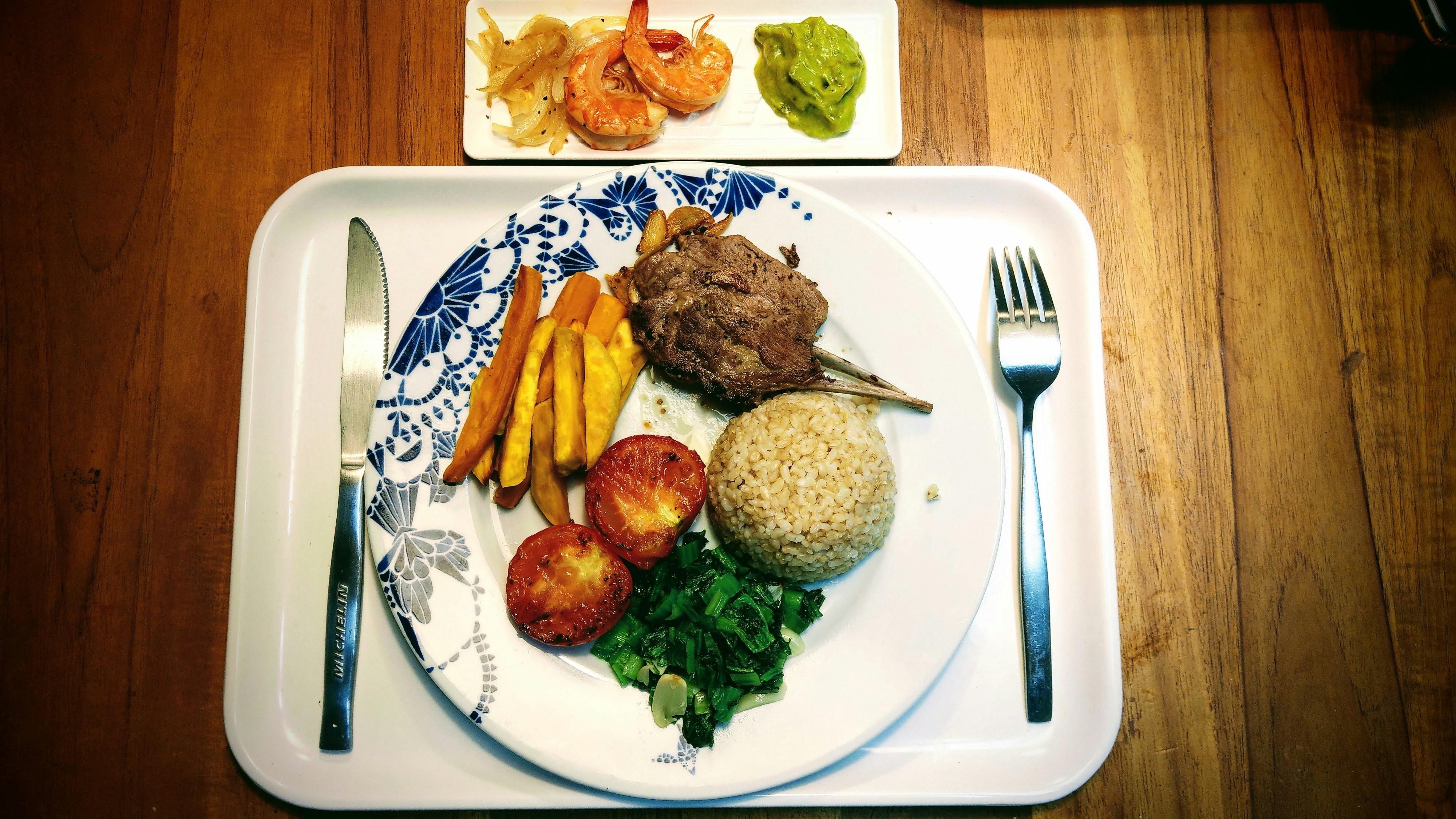
Clean eating is a nutritional approach that emphasizes consuming whole, unprocessed foods while avoiding items laden with additives, preservatives, and artificial ingredients. At its core, clean eating advocates for a diet rich in fruits, vegetables, whole grains, lean proteins, and healthy fats. By prioritizing natural foods, individuals can significantly enhance their overall health, promote weight management, and improve their energy levels.
One of the foundational principles of clean eating is the preference for whole foods over processed options. Whole foods are those that are as close to their natural state as possible. For example, choosing a piece of fruit over fruit-flavored snacks or selecting brown rice instead of instant rice varieties are clear indications of clean eating. This focus not only aids in reducing sugar and unhealthy fat intake but also ensures that essential nutrients are more readily available to the body.
Clean eating also promotes a balanced diet, encouraging individuals to incorporate a variety of food groups into their meals. This variety not only helps in providing necessary nutrients but also keeps the diet interesting and enjoyable. By including an array of colors on the plate and experimenting with different ingredients, beginners can discover new flavors, textures, and other health benefits that accompany them.
Moreover, clean eating goes beyond just food selection; it fosters a mindful approach to eating. This includes planning meals ahead of time, understanding portion sizes, and listening to the body’s hunger cues. Implementing these habits can lead to a more intuitive relationship with food, where individuals are more in tune with their nutritional needs without unnecessary restrictions.
Ultimately, clean eating serves as a sustainable lifestyle choice rather than a temporary diet. This guide aims to provide a comprehensive meal plan that walks beginners through the principles of clean eating, paving the way toward healthier dietary patterns.
Benefits of Clean Eating
Clean eating is increasingly recognized for its wide range of health benefits that contribute significantly to overall well-being. One of the primary advantages of adopting a clean eating lifestyle is improved energy levels. Individuals often report experiencing a surge in vitality upon eliminating processed foods and incorporating whole, nutrient-dense ingredients. This boost in energy is largely attributed to the body receiving an optimal supply of vitamins, minerals, and natural sugars from fruits, vegetables, and whole grains.
Another notable benefit is better digestion. Clean eating focuses on whole foods rich in fiber, such as vegetables, fruits, legumes, and whole grains. These fibers aid in maintaining a healthy digestive system by promoting regular bowel movements and reducing the risk of gastrointestinal issues, like bloating or constipation. Testimonials from those who have transitioned to clean eating often highlight how their digestive comfort improved significantly within just a few weeks.
Weight management is another critical aspect of clean eating. By opting for whole foods over highly processed alternatives, individuals tend to consume fewer empty calories and harmful additives, which can lead to better weight control. Many have found that by prioritizing clean meals, they not only achieve their weight goals but also sustain their results over time. For example, a participant in a clean eating program shared how they lost weight gradually while feeling more satisfied after meals due to the natural nutritional density of their food choices.
Additionally, clean eating enhances mental clarity. The removal of preservatives, artificial ingredients, and high levels of sugar from the diet has been linked to improved cognitive function and focus. Numerous success stories indicate that individuals have felt sharper and more productive after embracing clean eating. Overall, the benefits of clean eating extend far beyond physical health, enriching both the body and mind.
Essential Ingredients for Clean Eating
Clean eating revolves around the consumption of whole, minimally processed foods. One of the foundational elements of a clean eating meal plan is the incorporation of whole grains. These grains, such as quinoa, brown rice, and oats, provide essential nutrients and fiber, promoting digestive health and maintaining energy levels. When selecting whole grains, look for those that contain no added sugars or preservatives to ensure optimal nutritional benefits.
Lean proteins are another vital component of clean eating. Options like chicken breast, fish, legumes, and plant-based proteins such as tofu are excellent choices. These protein sources not only offer the building blocks for muscle repair but also help keep you feeling satiated. When choosing meats, it is important to opt for organic or grass-fed varieties when possible, as they tend to have fewer additives and antibiotics.
Healthy fats play an important role in a clean eating lifestyle, contributing to heart health and improved nutrient absorption. Incorporate sources such as avocados, nuts, seeds, and olive oil into your meals. These fats are beneficial when consumed in moderation and can enhance the flavors of your dishes. When shopping for oils, opt for cold-pressed varieties to maintain their nutritional properties.
Lastly, a variety of fruits and vegetables should form the cornerstone of your diet. These foods are rich in vitamins, minerals, and antioxidants, essential for overall health. When selecting produce, consider seasonal options, as they are often fresher and more flavorful. When storing fruits and vegetables, be mindful of proper refrigeration and organization to maximize their shelf life and reduce spoilage.
7-Day Meal Plan Overview
The 7-day clean eating meal plan for beginners offers a structured approach to adopting a healthier lifestyle. Each day is meticulously designed to introduce a variety of nutrient-dense foods that prioritize whole ingredients, thus facilitating a gradual transition into clean eating. This overview will highlight daily expectations while emphasizing the essential role of meal prepping and planning in achieving long-term success.
Throughout the week, individuals can anticipate a diverse range of meals that avoid processed foods, refined sugars, and unhealthy fats. On day one, participants will kick off the meal plan with a focus on hearty breakfasts, nutrient-packed lunches, and satisfying dinners that incorporate lean proteins and seasonal vegetables. As the week progresses, individuals will continue to explore a balance of grains, fruits, nuts, and seeds, ensuring the intake of antioxidants, vitamins, and minerals essential for overall health.
Meal prepping serves as a crucial element of this 7-day journey. By dedicating time to prepare meals at the start of the week, individuals can significantly reduce the temptation to opt for less nutritious options due to time constraints during busy days. Preparing meals in advance allows for better portion control and makes it easier to stay on track with dietary goals. Utilizing storage containers to organize and store prepared meals fosters convenience and makes clean eating more manageable.
This meal plan is an accessible guide for individuals who are just entering the world of clean eating. It encourages exploration of new recipes while cultivating a deeper understanding of nutrition and its impact on overall well-being. By following our structured 7-day plan, beginners will gain confidence in creating wholesome meals that contribute to a healthier lifestyle and form habits that last beyond just one week.
Day 1: Meal Plan and Recipes
To start your journey into clean eating, Day 1 of our meal plan is designed to be both nutritious and simple to prepare. The focus is on whole foods that are not only healthy but also delicious. Each meal is created with beginners in mind, ensuring easy preparation and accessibility.
For breakfast, we recommend a classic oatmeal bowl. To prepare, cook half a cup of rolled oats with one cup of almond milk. Once cooked, add a sliced banana and a sprinkle of cinnamon for flavor. This breakfast provides a good source of fiber and energy to kick-start your day.
For a mid-morning snack, enjoy a handful of mixed nuts. This snack is rich in healthy fats and protein, which will help keep you satiated until lunch.
Lunch consists of a quinoa salad. Start by cooking one cup of quinoa and allow it to cool. Combine it with diced cucumbers, cherry tomatoes, bell peppers, and a handful of spinach. Drizzle with olive oil and lemon juice to enhance the flavor. This meal is packed with protein and essential nutrients, making it perfect for your clean eating regimen.
In the afternoon, an apple with a tablespoon of almond butter makes a great snack. This combination is a fantastic source of vitamins and keeps your energy levels steady throughout the day.
Dinner features grilled salmon served with steamed broccoli and sweet potatoes. To prepare, season the salmon fillet with herbs and grill it until cooked through, approximately six to eight minutes per side. For the sides, steam the broccoli until vibrant green and bake the sweet potato until tender. This meal is rich in omega-3 fatty acids and provides a well-balanced end to your day.
With these straightforward recipes and meal ideas, Day 1 of your clean eating plan sets an excellent foundation. Enjoy the process of nourishing your body with whole, wholesome foods!
Day 2: Meal Plan and Recipes
For Day 2 of the clean eating meal plan, we will provide a diverse selection of meals that exemplify the principles of clean eating. The meals for today consist of nutritious ingredients that are easily accessible and simple to prepare. This balanced approach ensures adherence to healthy eating habits while still being enjoyable.
Breakfast: Start your day with a delicious smoothie bowl. Blend together one banana, one cup of spinach, and half a cup of unsweetened almond milk until smooth. Pour the mixture into a bowl and top with a handful of mixed berries, a tablespoon of chia seeds, and a sprinkle of granola. This meal not only provides energy but also delivers essential vitamins and minerals to kickstart your day.
Lunch: For lunch, consider a quinoa salad packed with vegetables. In a large bowl, combine one cup of cooked quinoa, diced cucumber, cherry tomatoes, bell pepper, and a handful of spinach. Drizzle with olive oil and a splash of lemon juice, then season with salt and pepper to taste. This salad is rich in protein and fiber, supporting your nutritional needs while being refreshing and satiating.
Dinner: For dinner, bake a piece of salmon seasoned with herbs and lemon. Serve it alongside steamed broccoli and roasted sweet potatoes. To prepare the sweet potatoes, peel and cube them, toss with olive oil, salt, and paprika, then roast in the oven until golden brown. This meal not only provides healthy fats and protein from the salmon but also offers a variety of vitamins from the accompanying vegetables.
Snacks: As a mid-afternoon snack, enjoy a handful of raw almonds or a sliced apple with almond butter. Both options are nutrient-dense and will keep your energy levels stable throughout the day.
By following this meal plan for Day 2, you will continue to embrace clean eating principles through well-rounded meals that promote overall health.
Day 3: Meal Plan and Recipes
On Day 3 of the clean eating meal plan, we will focus on incorporating wholesome, nutrient-dense ingredients that are easy to prepare while inviting readers to explore diverse flavors. The aim is to maintain a balance between taste and health, demonstrating that clean eating can be both enjoyable and fulfilling.
For breakfast, start your day with a green smoothie. Blend together a cup of spinach, half a banana, one tablespoon of almond butter, and a cup of unsweetened almond milk. This smoothie is not only refreshing but also packed with vitamins, making it a perfect start to a clean eating day.
As a mid-morning snack, consider a serving of Greek yogurt topped with a handful of mixed berries. This combination provides a good source of protein and antioxidants, helping to keep hunger at bay while infusing your body with essential nutrients.
For lunch, prepare a quinoa salad featuring cooked quinoa, diced cucumber, cherry tomatoes, a tablespoon of olive oil, lemon juice, and fresh herbs such as parsley or cilantro. This dish is not only colorful but also very satisfying, encouraging a balance of carbohydrates and healthy fats in your diet.
In the afternoon, enjoy a snack of carrot sticks paired with hummus. The crisp carrots provide beta-carotene and fiber, while hummus adds a tasty source of protein, creating a wholesome and energizing snack.
For dinner, try baked salmon seasoned with lemon and herbs, served alongside steamed broccoli and sweet potatoes. Salmon is rich in omega-3 fatty acids, promoting heart health, while broccoli and sweet potatoes deliver essential vitamins and minerals.
Finally, conclude your day with a small serving of dark chocolate or a piece of fruit to satisfy your sweet tooth while keeping in line with clean eating principles. This meal plan for Day 3 exemplifies how straightforward and enjoyable clean eating can be, encouraging a continued commitment to healthy choices.
Day 4: Meals and Recipes
On Day 4, start your morning with a satisfying spinach and mushroom omelet. Use two eggs, a handful of spinach, and diced mushrooms to create a nutritious breakfast rich in protein and vitamins. Serve with a slice of whole-grain toast for added fiber.
For lunch, indulge in a quinoa salad that includes black beans, diced bell peppers, and a drizzle of olive oil and lime juice. This vibrant salad is packed with plant-based protein and essential nutrients.
Dinner should be a grilled chicken breast served alongside steamed broccoli and sweet potatoes. The combination provides lean protein and carbohydrates, ensuring a well-rounded, nutritious meal.
Day 5: Meals and Recipes
On Day 5, kick off your day with overnight oats. Combine rolled oats with almond milk, a tablespoon of chia seeds, and top with fresh berries. This meal requires minimal preparation the night before, allowing for a hassle-free morning.
For lunch, enjoy a turkey wrap made with whole-grain tortillas, lean turkey breast, lettuce, tomatoes, and mustard. This wrap offers a good balance of protein and whole grains, keeping you satisfied until dinner.
Dinner can be a vegetable stir-fry with tofu, utilizing colorful vegetables such as bell peppers, carrots, and zucchini, sautéed in a light soy sauce. Pair it with brown rice to round out the meal.
Day 6: Meals and Recipes
Day 6 begins with a smoothie comprised of Greek yogurt, spinach, a banana, and almond milk. This breakfast is refreshing and provides a good mix of protein, vitamins, and antioxidants.
A grilled vegetable salad with chickpeas makes for an excellent lunch. Combine grilled zucchini, eggplant, and cherry tomatoes, and toss them with chickpeas and a balsamic vinaigrette. This meal is high in fiber and plant protein.
For dinner, prepare baked salmon with a side of asparagus and quinoa. Salmon is rich in omega-3 fatty acids, important for heart health, while asparagus offers vitamins and minerals.
Day 7: Meals and Recipes
On the final day, treat yourself to a breakfast of scrambled eggs with diced tomatoes and spinach, served with whole-grain toast. This combination ensures a strong start to the day with essential nutrients.
For lunch, create a lentil soup, including carrots, celery, and spices, simmered to perfection. Lentils provide ample protein and fiber, ideal for a filling meal.
Conclude your day with a hearty vegetable and brown rice casserole. Combine several vegetables, brown rice, and a sprinkle of cheese, then bake until bubbly. A wholesome way to end your clean eating week, this casserole is both nutritious and satisfying.
Tips for Staying on Track
Embarking on a clean eating journey can be transformative, yet maintaining progress can sometimes prove challenging. Here are several effective strategies to help you stay motivated and committed to your clean eating meal plan.
Firstly, meal prepping stands out as a crucial component of successful clean eating. Taking time each week to prepare meals in advance not only saves time during busy weekdays but also reduces the temptation to resort to unhealthy options. Cook large batches of wholesome recipes and store them in reusable containers. This meticulous preparation allows you to have clean meals readily available, promoting consistent adherence to your eating plan.
Secondly, seeking support from friends and family members can greatly enhance your clean eating experience. Share your goals with those close to you and encourage them to join you in this healthy lifestyle. This collective effort helps to foster accountability and provides motivation through shared accomplishments. You may even consider joining support groups or online communities where like-minded individuals can offer encouragement and advice.
Another effective strategy involves maintaining a food journal. Documenting your meals, snacks, and thoughts can help you become more conscious of your eating habits and identify potential areas for improvement. By tracking your progress, you can celebrate your successes and learn from any setbacks, reinforcing your commitment to your clean eating journey.
Lastly, it’s important to acknowledge that balance is vital in achieving a healthy lifestyle. While clean eating is encouraged, occasional indulgences can help prevent feelings of deprivation. By incorporating a measured approach toward treats, you can maintain your motivation and avoid burnout, ensuring that your commitment to clean eating remains sustainable in the long run.
Conclusion: Embracing Clean Eating
Clean eating represents more than just a diet; it embodies a holistic approach to nourishment and well-being, focusing on consuming whole, unprocessed foods. As we conclude this 7-day clean eating meal plan for beginners, it is essential to recognize that this journey goes beyond the one-week framework. Adopting clean eating habits fosters a sustainable lifestyle that supports long-term health and vitality.
Throughout this week, you have explored a variety of wholesome ingredients that nourish your body and mind. From fresh fruits and vegetables to lean proteins and whole grains, each meal was carefully crafted to emphasize the significance of nutrients in our daily intake. By embracing this clean eating philosophy, you are making conscious choices that contribute not only to physical health but also to mental clarity and emotional stability. The transition towards clean eating may feel challenging at first, but it is important to remember that gradual changes enhance the likelihood of maintaining healthy habits over time.
As you conclude this initial week, it is vital to carry forward the lessons learned and continue to explore diverse food options that align with the principles of clean eating. Meal prepping, trying new recipes, and staying informed about nutritional content can further empower you in making better food decisions. The road to clean eating is a continuous journey, and every positive choice reinforces a foundation for a healthier future.
Moreover, don’t hesitate to seek support from communities and resources that share your commitment to this lifestyle. Surrounding yourself with like-minded individuals can provide motivation and inspiration as you navigate through this rewarding path. Clean eating isn’t merely a phase; it’s a sustainable change that can enhance your overall quality of life. Embrace it wholeheartedly and cherish the transformative effects it will bring.