

Introduction to Desk Workouts
In today’s fast-paced work environment, many professionals find themselves spending the majority of their day sitting at a desk. While this sedentary lifestyle may be commonplace, it poses several health risks that can significantly impact one’s overall well-being. Prolonged sitting has been linked to a variety of serious health conditions, including cardiovascular disease, obesity, and musculoskeletal disorders. These risks emphasize the importance of incorporating physical activity into the daily routine of office workers.
Desk workouts represent a practical solution for those pressed for time or space. These quick exercises can be performed without requiring specialized equipment, making them accessible to a wide range of individuals. Implementing short bursts of movement throughout the workday can effectively counteract the negative effects of long periods of inactivity. Engaging in these physical activities not only promotes physical health, but it also encourages mental clarity and focus.
The benefits of desk workouts extend beyond simple physical fitness. Regularly integrating movement throughout the day can improve energy levels and enhance productivity. Engaging in brief exercises can activate muscles, promote blood circulation, and reduce feelings of fatigue that often occur during prolonged periods of sitting. Furthermore, desk workouts can help alleviate stress and tension that accumulates over hours of work, leading to a more positive work environment.
In conclusion, recognizing the significance of staying active while working at a desk is paramount for maintaining a healthy lifestyle. By incorporating quick desk workouts, office workers can mitigate the risks associated with prolonged sitting and foster improved energy, productivity, and overall well-being. Embracing these simple yet effective movements can lead to a more balanced and enriching workplace experience.
Benefits of Quick Desk Workouts
Incorporating quick desk workouts into an office routine can yield numerous benefits that significantly enhance overall well-being and productivity. One of the primary advantages is the improvement in posture. Many office workers experience discomfort and musculoskeletal issues due to prolonged sitting. Engaging in short exercises can promote proper spinal alignment and alleviate tension in the neck, shoulders, and back.
Additionally, quick desk workouts can lead to enhanced focus. Research indicates that brief physical activity can boost cognitive function, which is crucial for maintaining concentration during tedious tasks. A study published in the journal “Frontiers in Psychology” found that physical activity stimulates the release of neurotransmitters associated with better mood and enhanced cognitive performance, allowing workers to tackle their tasks with renewed energy and clarity.
Moreover, incorporating these workouts can significantly reduce stress levels. According to a survey conducted by the American Psychological Association, physical activity serves as a powerful antidote to stress. Desk workouts promote the release of endorphins, which are chemicals in the brain that act as natural painkillers and mood elevators. As stress decreases, employees often find themselves feeling more positive and motivated, contributing to a more harmonious work environment.
Another critical benefit of quick desk workouts is increased circulation. Sitting for extended periods can lead to poor blood flow, resulting in lethargy and a decline in overall health. Research from the British Journal of Sports Medicine emphasizes that even short bursts of activity can counteract the negative effects of sedentary behavior and improve cardiovascular health. Regular movement can enhance blood circulation, promoting better oxygen delivery to the brain and muscles, which is vital for sustaining energy levels throughout the workday.
In summary, quick desk workouts present a practical solution for office workers seeking to improve their posture, focus, and mental well-being while also combating stress and enhancing circulation. The evidence supporting the effectiveness of these brief exercise routines reinforces their importance in promoting a healthier workplace environment.
Essential Tips for Desk Workouts
Incorporating desk workouts into a busy office routine can enhance both physical well-being and productivity. To effectively achieve this, it’s vital to create a structured approach that includes scheduling workout breaks into the daily calendar. Office workers often find time constraints a barrier to movement; therefore, designating specific times for short exercises can facilitate regular engagement in physical activity. For example, setting aside five minutes at the end of every hour for simple stretches or desk exercises can significantly improve movement throughout the day.
Staying hydrated is another critical factor that supports desk workouts. Having a water bottle readily available encourages workers to drink water regularly, which can help maintain energy levels and prevent fatigue. Moreover, hydration plays a crucial role in overall physical performance, making it easier to engage in movement when needed.
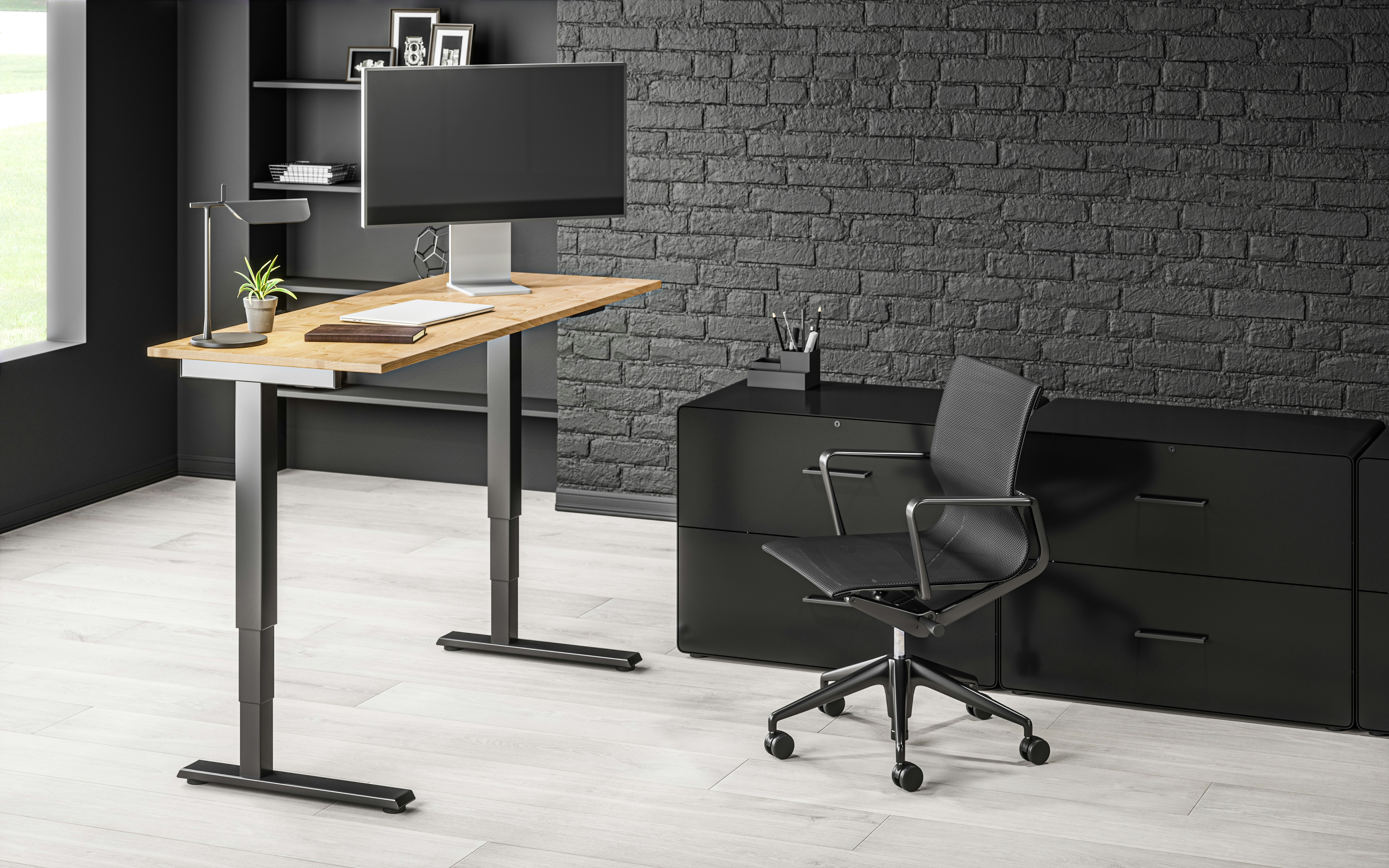
Additionally, using ergonomic furniture can promote better posture and comfort, thereby allowing for a more seamless transition into desk workouts. Ergonomic chairs and adjustable desks not only minimize discomfort but also encourage appropriate positioning during exercise. Incorporating standing or adjustable desks can offer further variety; transitioning between sitting and standing eases stiffness and encourages movement during work hours.
To remember to take breaks for desk workouts, setting reminders on calendars or using smartphone alarms can be beneficial. These reminders serve as alerts to prioritize movement throughout the day, counteracting the sedentary lifestyle that often accompanies office work. Addressing concerns regarding professionalism and workspace can also enhance the atmosphere for desk workouts; it is possible to engage in discreet exercises that do not disturb colleagues, such as seated leg lifts or subtle stretches.
Creating a conducive environment for desk workouts requires thoughtful consideration of schedule, hydration, ergonomic setup, and reminders. By prioritizing these essential tips, office workers can effectively integrate short workouts into their daily routine, fostering a healthier work culture.
Workout 1: Seated Leg Raises
Seated leg raises are an effective workout designed for individuals who spend a considerable amount of time sitting at a desk. This exercise targets the lower body, particularly the quadriceps, hamstrings, and hip flexors, promoting strength and circulation even while seated. To perform this exercise correctly, begin by sitting upright in your chair with your feet flat on the ground and your back straight. It is essential to assess your chair for stability and ensure it does not have wheels for safety purposes.
To execute the seated leg raise, start by extending one leg straight out in front of you, keeping it parallel to the ground. Hold this position for a count of two to three seconds, ensuring that you engage your core for support. Lower your leg back to the starting position in a controlled manner, avoiding any jerky movements. After completing the set number of repetitions, switch to the other leg. It is advisable to perform three sets of 10-15 repetitions on each leg, depending on your fitness level.
The benefits of this exercise are multifaceted. Seated leg raises improve lower body strength, which can be particularly beneficial for those who find themselves fatigued from long periods of desk work. Additionally, this exercise increases blood flow to the legs, reducing the risks of circulatory issues that can arise from prolonged sitting. Moreover, regularly incorporating seated leg raises into your routine enhances overall flexibility and can provide a refreshing break from work, promoting productivity and focus. Engaging in these simple yet effective workouts can lead to significant improvements in your daily physical health.
Workout 2: Desk Push-Ups
Desk push-ups are a highly effective exercise suitable for office workers looking to integrate physical activity into their daily routine. This exercise primarily targets the chest, triceps, and shoulders, while also engaging the core muscles for stabilization. To perform desk push-ups, stand facing your desk and place your hands shoulder-width apart on the edge. Ensure that your body forms a straight line from head to heels. Step back a few feet, so you can lean into the desk while maintaining this alignment.
Begin by bending your elbows and lowering your chest toward the desk until your elbows reach about a 90-degree angle. Be mindful to keep your body straight and avoid sagging your hips or arching your back, as proper form is crucial for safety and effectiveness. Once you reach the lowest point, push through your palms to return to the starting position. It is essential to maintain controlled movements throughout the exercise to prevent any injuries.
Desk push-ups are adaptable, allowing individuals at various fitness levels to participate. Beginners can perform the push-up from a standing position, allowing a more manageable incline. As strength develops, they can gradually adjust their stance to create a steeper angle, thus increasing the intensity. For those seeking a challenge, performing the exercise with one hand on the desk or adding a pause at the bottom can elevate the workout further.
In a one-minute session, individuals can typically complete between 10 to 15 desk push-ups, depending on their fitness level. Regularly incorporating this exercise can lead to stronger upper body muscles and improved overall endurance, ultimately contributing to better posture and reduced muscular tension while seated at a desk.
Workout 3: Chair Dips
Chair dips are a highly effective exercise for strengthening the triceps and shoulders, making them an ideal choice for office workers looking to incorporate quick workouts into their daily routine. To perform chair dips safely and effectively, begin by selecting a sturdy chair that can bear your weight without risk of tipping or sliding. Ideally, the chair should have a backless design to facilitate movement.
To execute the chair dip, follow these steps: Sit on the edge of the chair with your hands resting beside your thighs, fingers gripping the edge. Slide your buttocks off the chair, keeping your legs extended in front of you, and your heels resting on the ground. Slowly bend your elbows to lower your body toward the ground. Aim for a 90-degree angle in the elbows as you lower down, then press through your palms to lift your body back to the starting position. It’s crucial to keep your back close to the chair and avoid flaring your elbows outward to minimize the risk of injury.
For beginners, it can be beneficial to start with three sets of 8-10 repetitions. As strength improves, you can increase the number of repetitions or add variations such as elevating your feet on another chair or using weights for added resistance. These modifications will challenge your muscles further and enhance the effectiveness of the exercise.
Incorporate chair dips into your daily office routine to experience significant improvement in upper body strength and endurance. Remember, consistency is key in any workout regimen; even quick exercises like chair dips can lead to noticeable results over time. Always listen to your body and modify the movements as necessary to maintain proper form and prevent injury.
Workout 4: Standing Calf Raises
Standing calf raises are an effective and simple workout that can be performed in the office, making them ideal for office workers experiencing fatigue from prolonged sitting. To begin, find a stable surface such as your desk or a wall to support yourself. Stand up straight with your feet positioned hip-width apart. This starting position ensures proper balance and alignment when you initiate the movement.
Once in position, slowly rise onto the balls of your feet, lifting your heels off the ground. Ensure that you engage your core throughout the movement to maintain stability. Hold the raised position for a brief moment, ideally one to two seconds, feeling the contraction in your calf muscles. Next, lower your heels back to the ground in a controlled manner, allowing for a stretch in the calves as you return to the starting position. Breathing is crucial in this exercise: inhale as you ascend and exhale while lowering your heels.
This exercise primarily targets the calf muscles, enhancing muscle endurance and providing a beneficial countermeasure to the fatigue experienced from sitting for long hours. Standing calf raises can promote better blood circulation and alleviate tightness in the legs. Office workers may consider setting a daily goal of 15-20 repetitions, ensuring to conduct this exercise in sets of two or three throughout the workday. By integrating these calf raises into their routine, employees can experience improved vitality and reduced discomfort associated with sedentary work habits.
Workout 5: Neck Stretches
Neck stretches are essential exercises that can significantly alleviate tension built up throughout the workday, particularly for office workers who often find themselves hunched over their computers for long periods. The cervical region is susceptible to strain due to poor posture and lack of movement, making these stretches vital for improving flexibility and enhancing overall neck health. Incorporating a routine of neck stretches into your day can help release tightness and promote better mobility.
To perform neck stretches safely and effectively, begin by sitting comfortably in your chair with your back straight and shoulders relaxed. It is crucial to avoid jerking movements during these stretches, which can lead to strain. Instead, use gentle and controlled motions to elongate the neck muscles. Below is a simple routine that office workers can follow:
- Neck Tilt: Gently tilt your head to one side, bringing your ear toward your shoulder. Hold for 15-30 seconds and repeat on the opposite side. Perform this stretch two to three times per side.
- Neck Rotation: Slowly turn your head to the right, aiming to align your chin with your shoulder. Hold this position for 15-30 seconds before switching to the left. Repeat for two to three cycles on each side.
- Forward Neck Stretch: Lower your chin to your chest, feeling the stretch along the back of the neck. Maintain this position for 15-30 seconds, then return to a neutral position. This can be repeated three times.
Integrating these neck stretches into your daily routine, ideally every hour, can serve as a quick and effective way to combat discomfort and promote better posture. Committing just a few minutes to this practice can lead to noticeable improvements in well-being, making it a worthwhile addition to any office worker’s day.
Wrist and Finger Stretches
For individuals who engage in prolonged typing or use of a computer, wrist and finger stretches are crucial in maintaining flexibility and strength. Such stretches can significantly reduce the risk of conditions like carpal tunnel syndrome, which is often aggravated by repetitive movements. Regularly incorporating specific exercises into your daily routine can enhance comfort and overall wrist health.
To perform effective wrist stretches, begin by extending one arm out in front of you, palm facing upward. With your other hand, gently pull back on your fingers to stretch the wrist. Hold this position for 15 to 30 seconds, feeling a comfortable stretch. Repeat on the opposite side. Performing this stretch three times on each wrist helps ensure adequate flexibility and can relieve tension built up through the day.
Next, for finger stretches, clasp your hands together in front of you and gradually extend your fingers outward. You can also spread your fingers apart and bring them back together, repeating this motion for 10 to 15 repetitions. This exercise not only stretches the tendons in your fingers but also improves grip strength.
In addition, consider performing the ‘finger pull’ stretch for your fingers. To do this, extend one finger at a time, pulling gently on it with the opposite hand. Ensure you maintain a comfortable level of tension. Doing this for each finger, holding each pull for 10 to 15 seconds, will promote flexibility and alleviate stiffness.
To maximize the benefits, aim to include these stretches in your daily routine, ideally taking short breaks every hour to engage in these exercises. By being consistent with your wrist and finger stretches, you can help to effectively reduce the discomfort associated with prolonged desk work and foster long-term wrist health.
Conclusion: Making Desk Workouts a Habit
In today’s fast-paced work environment, where many office workers find themselves seated for prolonged periods, incorporating desk workouts can play a vital role in fostering a healthier lifestyle. The ten quick desk workouts discussed throughout this article emphasize the significance of integrating movement into the daily routine of office life. These exercises serve not only to alleviate stiffness and enhance circulation but also to bolster overall well-being and productivity.
Consistency is key when it comes to building a habit around desk workouts. Setting aside just a few minutes throughout the day can make a substantial difference. Whether it’s engaging in seated stretches or performing simple strength exercises, small steps can lead to significant improvements in physical health and mental clarity. Creating a schedule or setting reminders can serve as effective strategies to ensure regular engagement with these workouts.
Moreover, personal accountability plays an essential role in maintaining an active lifestyle, particularly for desk-bound individuals. By holding oneself responsible for integrating physical activity into the workday, office workers can counteract the sedentary nature of their jobs. Support from colleagues can also be a tremendous motivator; forming a workout group can enhance commitment and make the process enjoyable. Encourage coworkers to join in these desk exercises, fostering a community that prioritizes health.
Ultimately, taking charge of one’s health requires not only intention but also action. By adopting these desk workouts and making movement a priority during work hours, office workers can cultivate better health outcomes, leading to improved productivity and a more satisfying work experience. Embrace these quick exercises as part of your daily routine, and witness the transformative impact that consistency can have on your overall well-being.