


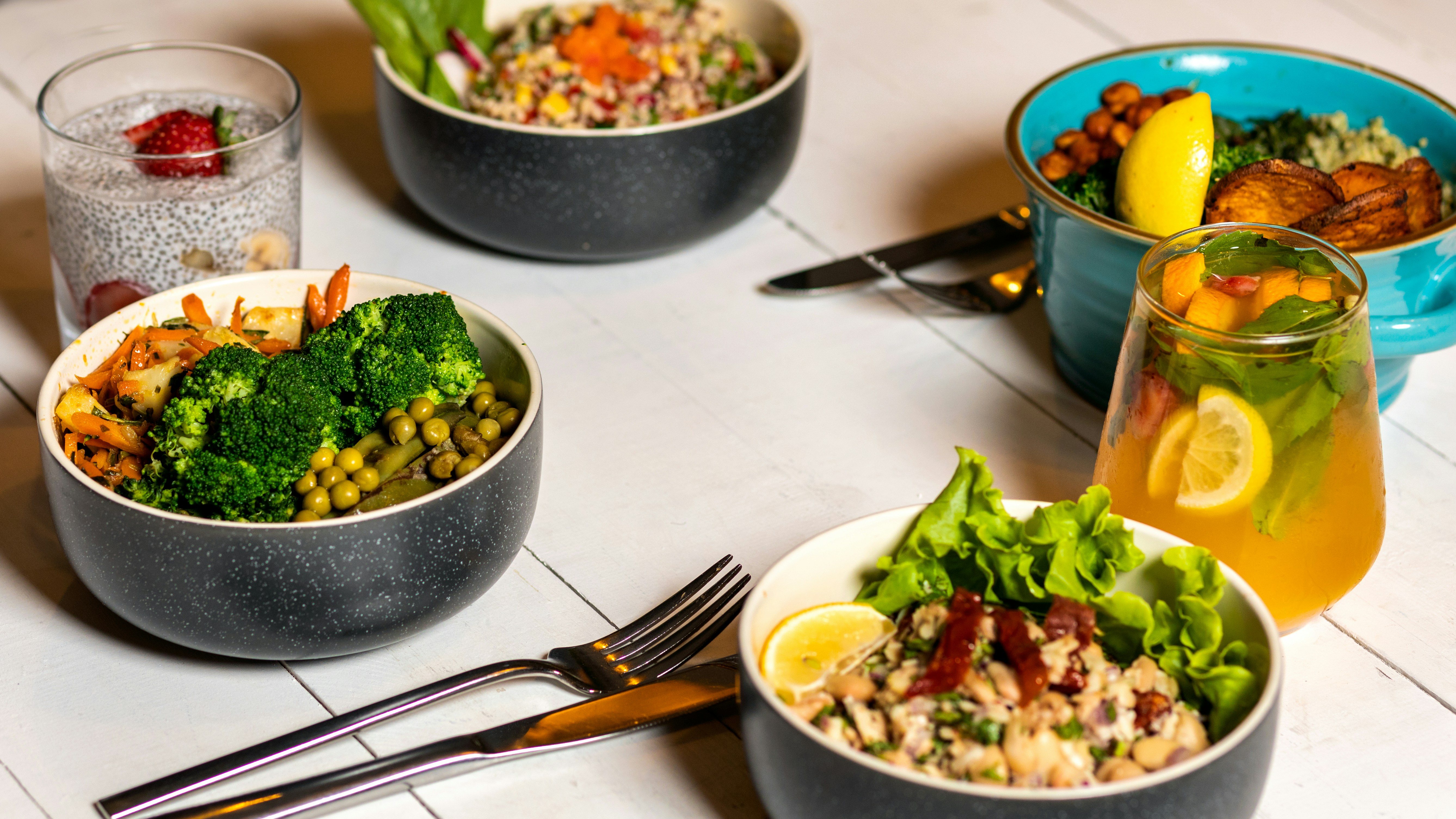
Introduction to Low-Calorie Meals
Low-calorie meals have gained significant attention in the realm of nutrition and weight management, offering an effective pathway for individuals seeking to reduce caloric intake while still feeling satiated. The core idea behind these meals is to prioritize nutrient-dense foods that not only nourish the body but also provide a sense of fullness, thus addressing a common challenge faced during dieting: hunger. Eating low-calorie options does not equate to deprivation; rather, it encourages the selection of wholesome ingredients that can be both tasty and fulfilling.
Often, individuals associate calorie restriction with bland or unsatisfying food, leading to misconceptions about dieting. However, low-calorie meals can encompass a wide variety of flavors and textures, creating enjoyable culinary experiences. The integration of fruits, vegetables, lean proteins, and whole grains ensures that meals are rich in essential nutrients despite being low in calories. This balance helps to curb cravings and provides the energy needed for daily activities, making it easier for individuals to stick to their dietary goals.
Furthermore, low-calorie meals can contribute to varying health benefits beyond weight loss. By focusing on nutrient-rich foods, these meals may help to lower the risk of chronic diseases, improve heart health, and enhance digestive function. The approach encourages mindful eating and fosters a deeper connection with food, allowing individuals to appreciate the flavors and textures that healthy meals can offer. By adopting low-calorie meals into one’s diet, an opportunity arises to redefine what satisfying eating truly means, promoting a lifestyle that emphasizes health and well-being.
Understanding Satiety: What Keeps You Full?
Satiety, the feeling of fullness after eating, is influenced by a myriad of factors that interplay within our bodies. Central to the sensation of being full is the composition of the food we consume, particularly focusing on nutrients such as fiber, protein, and healthy fats. Each of these macronutrients plays a crucial role in promoting satiety, making them valuable components to incorporate into low-calorie meals.
Fiber, a form of carbohydrate found in fruits, vegetables, whole grains, and legumes, is particularly effective at enhancing satiety. Foods high in fiber tend to have a low caloric density, meaning they provide fewer calories per volume. This characteristic allows individuals to eat larger portions without significantly increasing calorie intake. As fiber moves through the digestive system, it absorbs water and expands, effectively increasing the volume of food in the stomach and promoting a feeling of fullness for an extended period.
Protein is another critical player in the equation of satiety. Including sufficient protein in meals can lead to increased feelings of fullness and reduced hunger levels throughout the day. Protein has been shown to activate hormones such as ghrelin, which helps regulate appetite, thereby signaling the body to feel satisfied. Lean protein sources such as chicken, fish, legumes, and low-fat dairy can be seamlessly integrated into low-calorie diets.
Healthy fats, while calorie-dense, also contribute to feelings of satiety. Including moderate portions of healthy fats such as avocados, nuts, and olive oil can prolong digestion and help regulate appetite. When combined thoughtfully within low-calorie meals, these fats contribute to a satisfying eating experience while keeping calories in check.
Overall, understanding the relationship between these nutritional elements and satiety can assist individuals in crafting low-calorie meals that not only nourish but also leave them feeling full and satisfied, ultimately supporting their dietary goals.
Benefits of Low-Calorie Meals
Low-calorie meals extend beyond mere weight management, offering a plethora of benefits that contribute to overall well-being. One significant advantage is the improvement in various health markers. Research indicates that individuals who incorporate low-calorie foods into their diets often experience enhanced cardiovascular health, reduced blood pressure, and better cholesterol levels. These outcomes may result from the increased intake of nutrient-dense foods, which are usually lower in calories, and rich in essential vitamins and minerals.
In addition to cardiovascular benefits, low-calorie meals can lead to increased energy levels. Consuming fewer calories from processed foods can result in more stable blood sugar levels, thereby preventing energy crashes that often follow high-calorie meals. Numerous fitness enthusiasts advocate for low-calorie diets, noting that they feel more energized and focused throughout the day. In testimonials, individuals often report experiencing a boost in productivity and improved mental clarity as a result of their dietary choices.
Another essential benefit pertains to digestive health. Low-calorie meals frequently include a variety of fruits, vegetables, and whole grains, all of which are high in dietary fiber. Increased fiber intake is linked to improved digestive function, helping to regulate bowel movements and prevent constipation. Studies have shown that individuals following low-calorie meal plans experience fewer gastrointestinal problems. This can be attributed to the enhanced nutrient profiles of such meals, which support a healthy gut microbiome.
In conclusion, low-calorie meals offer numerous advantages that extend beyond weight loss. From improving health markers and enhancing energy levels to promoting better digestive health, they serve as a solid foundation for a healthier lifestyle. These benefits underscore the importance of choosing low-calorie options as part of a balanced diet. By integrating these meals into daily life, individuals can enjoy sustained well-being and vitality.
Key Ingredients for Low-Calorie Meal Prep
Preparing low-calorie meals that are both satisfying and nutritious requires a thoughtful selection of ingredients. This section will outline key components that can enhance flavor while keeping the calorie count low, focusing on vegetables, lean proteins, legumes, whole grains, and healthy fats.
Vegetables should form the foundation of any low-calorie meal. They provide essential vitamins and minerals while being low in calories. Leafy greens such as spinach, kale, and Swiss chard are great options, as are cruciferous vegetables like broccoli and cauliflower. Incorporating a variety of colors not only keeps meals visually appealing but also ensures a diverse nutrient intake. For meal prep, consider steaming, roasting, or grilling vegetables to preserve their flavor and texture.
Lean proteins are vital as they contribute to satiety, helping you feel full for longer. Options like skinless chicken breast, turkey, fish, and plant-based proteins such as tofu or tempeh are excellent choices. When selecting proteins, look for those that are minimally processed and free from excessive sodium. To enhance flavor, marinate proteins with herbs and spices; this method keeps meals interesting without adding significant calories.
Legumes, including beans and lentils, are another essential ingredient. They are high in fiber and protein, making them perfect for low-calorie meal prep. Choose varieties such as chickpeas, black beans, or kidney beans, and consider preparing them in bulk to incorporate into salads, soups, and stews. Whole grains like quinoa, brown rice, or farro are also recommended, as they provide complex carbohydrates that can help sustain energy levels. They can be cooked ahead of time and used in various dishes throughout the week.
Lastly, healthy fats play a crucial role in meal satisfaction. Ingredients such as avocados, nuts, and olive oil should be used judiciously. These fats can add flavor and creaminess, making low-calorie meals more enjoyable. When meal prepping, it is advisable to portion out fats to ensure moderation while still reaping their health benefits. By combining these key ingredients thoughtfully, one can create a myriad of satisfying low-calorie meals.
10 Filling Low-Calorie Meal Ideas
In the quest for a balanced diet, low-calorie meals can satisfy hunger without compromising nutritional value. Here are ten meal ideas that are filling, nutritious, and can help maintain a healthy lifestyle.
1. Greek Yogurt Parfait
Ingredients: 1 cup Greek yogurt, ½ cup mixed berries, 1 tablespoon honey, and ¼ cup granola.
Estimated Calories: 320 kcal.
Preparation: Layer Greek yogurt with berries and granola in a glass. Drizzle with honey for sweetness.
2. Vegetable Omelette
Ingredients: 2 eggs, ½ cup chopped spinach, ¼ cup diced tomatoes, and ¼ cup bell peppers.
Estimated Calories: 180 kcal.
Preparation: Whisk the eggs, pour into a heated skillet, and add the vegetables. Cook until the eggs are set.
3. Quinoa Salad
Ingredients: 1 cup cooked quinoa, ½ cup chickpeas, ¼ cup cucumber, and a squeeze of lemon.
Estimated Calories: 250 kcal.
Preparation: Mix all ingredients in a bowl and season with lemon juice.
4. Zucchini Noodles with Marinara Sauce
Ingredients: 2 medium zucchinis, 1 cup marinara sauce, and 1 tablespoon olive oil.
Estimated Calories: 200 kcal.
Preparation: Spiralize the zucchinis and sauté in olive oil. Serve topped with warm marinara sauce.
5. Chicken Lettuce Wraps
Ingredients: 1 cup shredded chicken, ½ cup diced carrots, and large lettuce leaves.
Estimated Calories: 220 kcal.
Preparation: Combine chicken and carrots, scoop onto lettuce leaves, and roll up.
6. Cauliflower Fried Rice
Ingredients: 2 cups riced cauliflower, 1 cup mixed vegetables, and 1 egg.
Estimated Calories: 180 kcal.
Preparation: Stir-fry all ingredients in a pan until vegetables are tender and the egg is fully cooked.
7. Tomato and Basil Soup
Ingredients: 4 cups diced tomatoes, 1 onion, 2 cups vegetable broth, and fresh basil.
Estimated Calories: 150 kcal.
Preparation: Sauté onion until soft, add tomatoes and broth, then blend until smooth and stir in basil.
8. Baked Sweet Potato
Ingredients: 1 medium sweet potato, 1 tablespoon Greek yogurt, and cinnamon.
Estimated Calories: 180 kcal.
Preparation: Bake the sweet potato until fork-tender, top with Greek yogurt and a sprinkle of cinnamon.
9. Hummus and Veggie Sticks
Ingredients: ½ cup hummus, assorted raw vegetables (carrots, celery, bell peppers).
Estimated Calories: 200 kcal.
Preparation: Serve hummus with fresh veggie sticks for dipping.
10. Overnight Oats
Ingredients: ½ cup rolled oats, 1 cup almond milk, ½ banana, and 1 tablespoon chia seeds.
Estimated Calories: 300 kcal.
Preparation: Combine ingredients in a jar, mix, and refrigerate overnight.
These meals not only maintain low-calorie counts but also ensure you remain full and satisfied throughout the day. Whether for breakfast, lunch, dinner, or snacks, there are plenty of options to choose from.
Tips for Making Any Meal Low-Calorie
Transforming regular meals into low-calorie alternatives requires thoughtful adjustments without sacrificing flavor or satisfaction. One effective approach involves utilizing healthier cooking techniques. Instead of frying foods, consider baking, steaming, or grilling. These methods not only reduce the need for added fats and oils but also preserve the natural flavors of ingredients. For example, grilling vegetables can accentuate their taste while eliminating excess calories compared to traditional frying methods.
Ingredient swaps are another powerful strategy. Many common ingredients can be replaced with lower-calorie options without significant compromises on taste. For instance, using Greek yogurt instead of sour cream provides a creamy texture while significantly reducing calories and adding protein. Similarly, opting for cauliflower rice or zucchini noodles in place of regular rice or pasta can dramatically lower carbohydrate intake while boosting vegetable consumption, which is essential for a balanced diet.
Portion control is an additional fundamental aspect of creating low-calorie meals. By being mindful of serving sizes, you can enjoy the same dishes while limiting overall caloric intake. Utilizing smaller plates can psychologically influence the perception of fullness, encouraging moderation. Additionally, starting meals with a broth-based soup or a fresh salad can help satiate hunger, leading to reduced overall consumption of calorie-dense foods during the main course.
Herbs and spices play a crucial role as well, enhancing flavor without adding calories. Experimenting with different seasonings can make even the simplest of dishes exciting, eliminating the need for high-calorie sauces or dressings. Incorporating these practical tips not only promotes healthier eating habits but also fosters a lasting sense of satisfaction, making low-calorie meals a sustainable choice.
Meal Planning and Preparation Strategies
Effective meal planning and preparation can play a pivotal role in maintaining a low-calorie diet while ensuring you feel full and satisfied. One of the primary strategies is to incorporate batch cooking into your routine. By dedicating a few hours on the weekend or any day that suits your schedule, you can prepare multiple meals at once. This not only saves time throughout the week but also minimizes the temptation to opt for higher-calorie convenience foods. For example, cooking large portions of vegetable soups or lean proteins can provide foundational components for various meals.
Another essential aspect of meal planning is portion control. Using measuring cups, kitchen scales, or pre-portioned containers can assist in ensuring that you are consuming appropriate serving sizes. This becomes especially beneficial when preparing snacks or multi-component meals, where it’s easy to overlook calorie counts. Well-measured servings can make it easier to stick to your daily caloric goals while remaining satiated.
In addition to these strategies, convenient storage solutions can greatly enhance the ease of meal preparation. Investing in high-quality, airtight containers can help preserve the freshness of prepared meals and snacks, making them readily accessible. Labeling these containers with dates can further assist you in managing your meal inventory and reducing food waste. Moreover, organizing your refrigerator and pantry can streamline your cooking process, allowing you to easily see what ingredients you have on hand.
Incorporating these meal planning and preparation strategies will not only help you stay committed to your low-calorie eating plan but also enhance your overall cooking experience. The incorporation of these techniques fosters a nourishing environment that encourages consistency and mindful eating.
Staying Motivated and Mindful
Maintaining motivation and mindfulness while consuming low-calorie meals is crucial for long-term success. Adopting a positive mindset plays a significant role in how individuals engage with their food choices. When one approaches low-calorie eating with a sense of purpose, it becomes easier to stick to dietary goals. Acknowledging that low-calorie meals can be both nutritious and delicious may help in fostering an appreciation for healthier options.
Another effective strategy to remain motivated is to keep a food journal. By documenting daily food intake, one can identify patterns, evaluate choices, and celebrate achievements, no matter how small. This practice helps raise awareness and accountability towards caloric intake and eating behaviors. Recording meals can also provide valuable insights into what types of low-calorie meals are satisfying and enjoyable, thus encouraging further exploration of nutritious recipes.
Celebrating small victories in the journey towards healthier eating is equally essential. Acknowledging portions of success, whether through weight loss, improved energy levels, or increased overall well-being, can significantly boost morale. These milestones serve as motivation to continue on the path of low-calorie meals, reinforcing positive habits. Keeping celebrations small yet meaningful—such as treating oneself to a new kitchen gadget or planning a fun activity—can enhance motivation without derailing dietary plans.
Furthermore, engaging in mindful eating practices can deepen the connection to food choices. Focusing on the texture, flavor, and aroma while consuming low-calorie meals can increase satisfaction and prevent overeating. By creating a serene eating environment and minimizing distractions, one may better appreciate the nuances of their meals, leading to a more fulfilling experience.
Conclusion: Embracing a Satisfying Low-Calorie Lifestyle
As we have explored throughout this blog post, adopting a low-calorie lifestyle does not mean sacrificing flavor or satisfaction. Through the careful selection of ingredients and the variety of meals detailed, it is evident that it is entirely possible to remain full and content while keeping calorie intake in check. These 10 low-calorie meals serve as a testament to this principle, emphasizing that healthy eating can be both enjoyable and nourishing.
Prioritizing low-calorie foods can lead to a myriad of benefits—ranging from weight management to improved overall health. By focusing on nutrient-dense options and incorporating wholesome ingredients into everyday meals, individuals can create a satisfying dining experience that aligns with their nutritional goals. Making informed choices allows one to relish in the pleasures of food, all while maintaining a lifestyle that is conducive to health and wellness.
Moreover, the emphasis on diversity in meals not only combats monotony but also encourages culinary exploration. Experimenting with different recipes and flavors can reveal an array of satisfying low-calorie options that cater to personal tastes and preferences, which is an essential aspect of achieving long-term dietary success. This not only cultivates a positive relationship with food but also ensures adherence to a low-calorie regimen in a sustainable manner.
Ultimately, embracing a low-calorie lifestyle should be viewed as an empowering choice that prioritizes well-being without compromising enjoyment. It is a journey that fosters both physical and mental satisfaction, reinforcing the notion that healthy eating is possible and pleasurable. By integrating these principles into daily routines, individuals can confidently navigate their pursuit of health while savoring every bite.